
When planning a trip to the United States, specifically to the bustling urban landscape of New York, travelers often find themselves meticulously budgeting for flights, accommodation, and high-end dining. However, one financial component that frequently catches international and domestic visitors off guard is the complex and layered nature of sales tax. Understanding how these extra costs apply to your purchases is essential for maintaining your budget while enjoying the iconic experiences that this state has to offer.
The Foundations of New York State Taxation
New York operates under a unique tax structure where the final price you pay at the register rarely matches the price listed on the tag. This is because the state imposes a baseline sales tax, but it allows individual counties and municipalities to add their own local taxes on top of that base rate.
Understanding the Base Rate
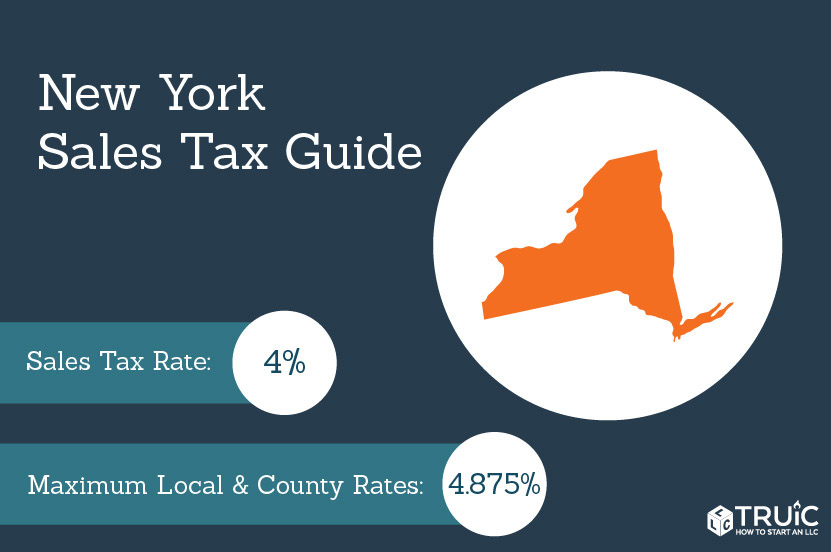
At the state level, New York maintains a baseline sales tax rate of 4%. While this might seem modest at first glance, it is merely the foundation of your final bill. The true impact on your wallet depends entirely on where you are currently standing within the state. Whether you are strolling through Times Square or exploring the quiet corners of the Adirondack Mountains, the math behind your purchase will shift accordingly.
Local Jurisdictions and Add-ons
Localities throughout the state are authorized to levy their own additional sales taxes. In densely populated areas like New York City, these local add-ons bring the total tax rate significantly higher than the state baseline. For the average traveler, this means that buying a souvenir in Buffalo or a bottle of water near the Niagara Falls involves navigating a different set of percentages than if you were shopping on Fifth Avenue.
Sales Tax in New York City: A Special Case
Because New York City is a global hub for retail, dining, and tourism, it occupies a distinct place in the state’s tax framework. Visitors are often surprised to find that the tax burden here is heavier than in most other parts of the country.
The Cumulative Total
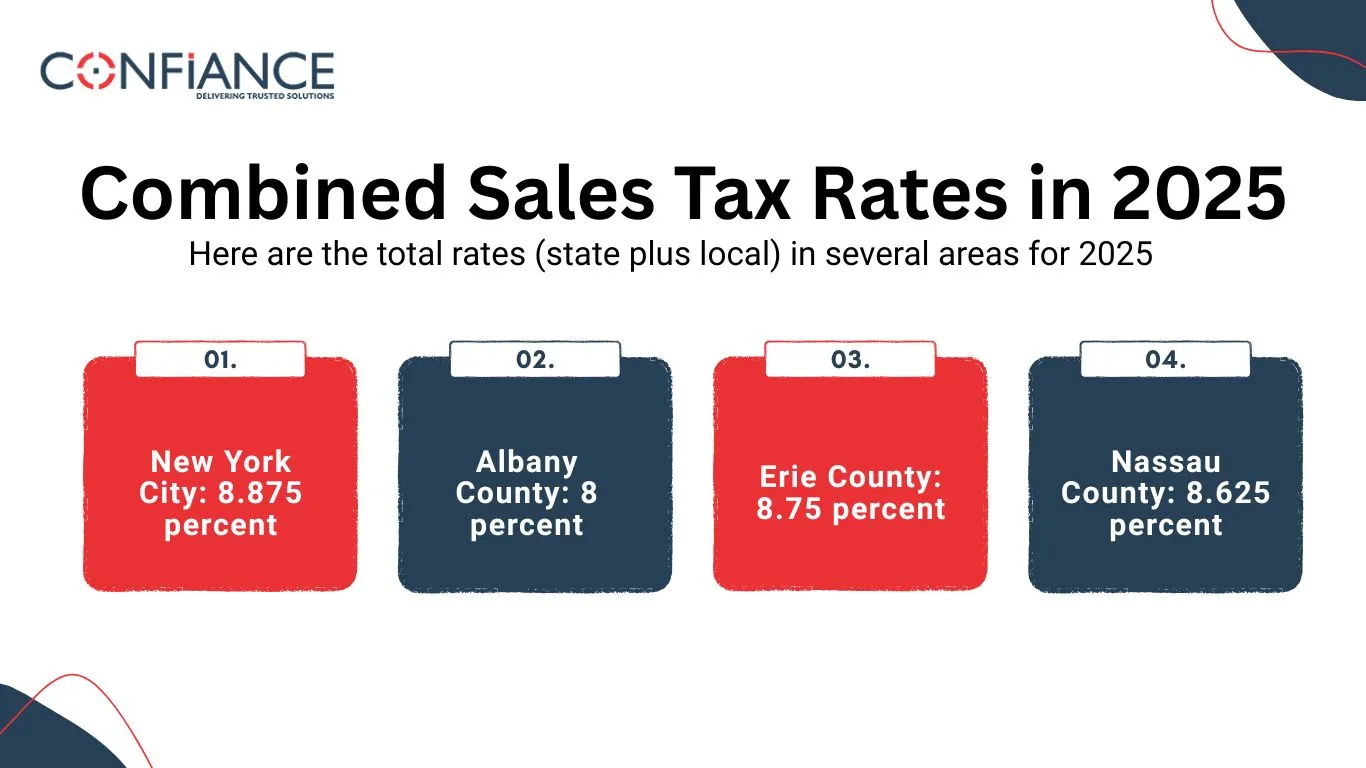
In the five boroughs that make up the city—Manhattan, Brooklyn, Queens, the Bronx, and Staten Island—the combined state and local sales tax rate sits at 8.875%. This figure is comprised of the 4% state tax, a 4.5% local city tax, and an additional 0.375% surcharge for the Metropolitan Commuter Transportation District.
What This Means for Your Daily Spending
When you are enjoying a meal at a bistro in Greenwich Village or browsing the boutiques in SoHo, it is helpful to mentally add roughly 9% to the price of your item. If you are planning a high-end shopping trip to visit flagship stores near Central Park, this tax will certainly impact your total expenditure. Being aware of this surcharge allows travelers to adjust their expectations for daily spending, ensuring that your budget stays on track from your morning coffee to your evening souvenir purchase.
Exemptions: Where Your Wallet Gets a Break
Not everything in New York is subject to the standard sales tax. The state government recognizes that certain items are necessities and, as a result, offers specific exemptions that can save travelers money during their stay.
Clothing and Footwear Rules
One of the most notable tax policies in the state involves clothing and footwear. In New York City, clothing and footwear priced under $110 per item are exempt from the 4% state sales tax. While they are still subject to local taxes, this exemption provides a noticeable discount for those traveling to the city for a shopping excursion. Keep in mind that this rule applies to each individual item; if you purchase a jacket that costs $120, the entire amount becomes taxable, whereas a $100 shirt remains partially exempt.
Grocery and Medicinal Items
Most unprepared food items—the kinds you would buy at a grocery store or a corner bodega—are generally exempt from sales tax. This is a crucial distinction for budget-conscious travelers. If you choose to pick up snacks at a local supermarket in Queens rather than relying exclusively on restaurant dining, you avoid the heavy sales tax associated with prepared foods. Similarly, many non-prescription drugs and medical supplies are exempt from sales tax, allowing visitors to manage their health and well-being without additional surcharges.
Tips for Managing Taxes While Traveling
Navigating the tax landscape doesn’t have to be a source of frustration. With a few strategic habits, you can anticipate your costs and manage your finances effectively while exploring the diverse attractions of the Empire State.
Budgeting for the “Hidden” Costs
The most effective way to handle sales tax is to include it in your travel budget before you even arrive. If you have allocated a specific amount for shopping or dining during your visit to landmarks like the Empire State Building or the Statue of Liberty, subtract approximately 9% from that total immediately. By treating this amount as “reserved for taxes,” you ensure that the price you see on the menu is not a shock when the final check arrives.
Checking Receipts and Itemizing
For those keeping track of every dollar, it is helpful to look closely at your receipts. Many stores and restaurants in New York will clearly break down the tax portion on the bottom of the bill. Understanding how much of your total was spent on tax versus the actual product or service can help you make more informed decisions about where to spend your remaining budget.
Leveraging Online Retailers
If you are visiting for an extended period, perhaps staying at an apartment in Williamsburg, consider how you purchase goods. While ordering items to your accommodation might seem convenient, the same sales tax rules generally apply to online purchases shipped to an address within New York. Ultimately, the best strategy is to be aware of the 8.875% rate in the city and the varying rates across the state, allowing you to fully enjoy your time—whether you are dining in Little Italy or catching a show on Broadway—without worrying about unexpected costs.
LifeOutOfTheBox is a participant in the Amazon Services LLC Associates Program, an affiliate advertising program designed to provide a means for sites to earn advertising fees by advertising and linking to Amazon.com. Amazon, the Amazon logo, AmazonSupply, and the AmazonSupply logo are trademarks of Amazon.com, Inc. or its affiliates. As an Amazon Associate we earn affiliate commissions from qualifying purchases.