
Living in New York is often romanticized as the ultimate lifestyle upgrade, a high-octane existence fueled by ambition and endless cultural stimulation. However, the reality of maintaining a residence in this iconic metropolis is defined by one undeniable factor: the cost. For those considering a move to the “City That Never Sleeps,” understanding the financial architecture of the five boroughs—Manhattan, Brooklyn, Queens, the Bronx, and Staten Island—is the first step toward determining if the dream is sustainable.
The Reality of Rental Markets and Real Estate
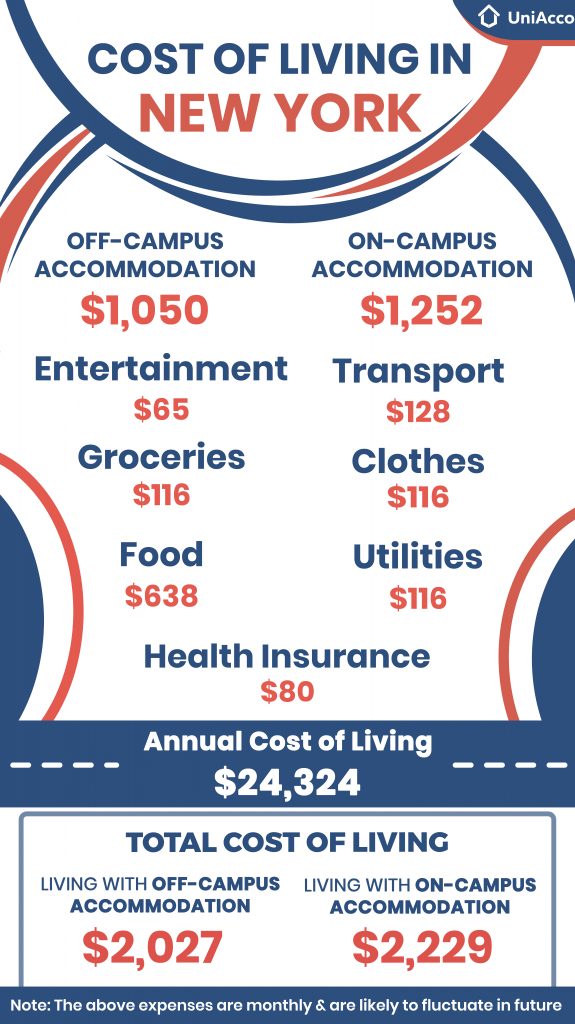
The most significant portion of a New York resident’s monthly budget is undoubtedly housing. Unlike most cities in the United States, where housing costs are typically calculated as a percentage of suburban square footage, the New York market is a study in premium pricing for limited space.
Understanding Neighborhood Premiums
The cost of living fluctuates wildly depending on the borough and specific neighborhood. A studio apartment in Manhattan—particularly in areas like Tribeca or West Village—can cost more than a four-bedroom house in other major American cities. The competition is fierce, and the “broker fee” system—a legacy practice where the tenant pays the agent’s commission—often adds thousands of dollars to the initial move-in costs.
The Shift Toward Outer Boroughs
In response to soaring rents, many residents have migrated to neighborhoods in Brooklyn, such as Williamsburg or Bushwick, and parts of Queens, like Long Island City. While these areas were historically more affordable, they have seen significant gentrification, narrowing the price gap. Even so, finding an apartment in these hubs requires a substantial budget, often pushing middle-income earners toward the Bronx or deeper into Queens to find value.
Daily Expenses: Beyond the Rent Check
Once housing is secured, the day-to-day cost of surviving in New York becomes the next hurdle. The city’s economy is designed for convenience, but that convenience comes at a premium price that can silently erode a paycheck.
The Cost of Convenience
In New York, time is the most valuable commodity. As a result, locals frequently pay for services that might be DIY-tasks elsewhere. Laundry service, food delivery apps, and the tendency to eat out rather than cook in small, cramped kitchens all contribute to a “convenience tax.” A casual lunch in a neighborhood like Midtown Manhattan can easily reach $25, and a standard grocery bill at a premium local market is frequently 20% to 30% higher than the national average.

Transportation and Mobility
One of the few financial relief points in New York is the public transit system, managed by the Metropolitan Transportation Authority. While fares have risen, the New York City Subway remains the most efficient way to navigate the urban sprawl. Compared to cities that require car ownership, insurance, and parking—the latter of which can cost hundreds of dollars a month in a private garage—the subway is a massive value. However, the reliance on Uber or Lyft during late-night hours or for trips between boroughs can quickly bloat a monthly transportation budget.
Lifestyle and Entertainment Costs
New York offers world-class experiences, but access to them is rarely free. Whether you are a fan of high art, sports, or nightlife, participation requires a significant financial commitment.
Accessing Cultural Institutions
Attending a show on Broadway or visiting an iconic museum like the Metropolitan Museum of Art is a staple of city life. While there are “pay-what-you-wish” days for some institutions, the baseline price for premium entertainment is high. Even a casual night out—drinks at a rooftop bar in Chelsea or dinner near Central Park—can cost as much as a daily budget in other parts of the country.
The Hidden Costs of Socializing
Social life in the city is largely built around hospitality. Because living spaces are often small, people congregate in bars, restaurants, and clubs. The “New York tax” is present even in a simple pint of beer or a cocktail. When you multiply these social outings across a month, the cumulative cost of maintaining a social life can be as high as a car payment. Savvy residents learn to navigate this by finding local “happy hours” or exploring free public parks, such as The High Line, but the constant pull of the city’s commercial ecosystem is difficult to ignore.
Is the Financial Trade-off Worth It?
Ultimately, determining if New York is “too expensive” is a subjective calculation. There is no doubt that the city is one of the most expensive places in the world to live, but for millions, the exchange rate is considered fair.
Access to Unrivaled Opportunity
The primary draw remains the concentration of professional opportunity. New York is a global hub for finance, media, fashion, technology, and the arts. For professionals in these sectors, the networking potential and career growth in cities like London or Tokyo might be comparable, but New York offers a unique blend of these industries in a relatively compact geographic footprint. The ability to work within blocks of the world’s most influential leaders is a “salary premium” that many professionals factor into their decision to stay.

The Intangible Quality of Life
Beyond the balance sheet, there is an intangible energy to New York. The diversity of neighborhoods, the walkability of the streets, and the constant exposure to different cultures create a quality of life that is difficult to replicate elsewhere. While a resident may pay significantly more for a smaller space, they gain access to Grand Central Terminal, an endless variety of global cuisine, and a community of people who share a high-drive mentality.
For those who are prepared, the financial rigor of living in New York is manageable through strict budgeting and a high degree of prioritization. It requires a fundamental shift in how one views value—moving away from the “more for your money” mindset toward a “quality of experience” perspective. If you are willing to trade square footage for cultural density and professional trajectory, the cost, while steep, becomes an investment in an unparalleled life experience.
LifeOutOfTheBox is a participant in the Amazon Services LLC Associates Program, an affiliate advertising program designed to provide a means for sites to earn advertising fees by advertising and linking to Amazon.com. Amazon, the Amazon logo, AmazonSupply, and the AmazonSupply logo are trademarks of Amazon.com, Inc. or its affiliates. As an Amazon Associate we earn affiliate commissions from qualifying purchases.