
The intersection of literature and reality in Las Vegas has long fascinated travelers and pop culture enthusiasts alike. When Hunter S. Thompson published his seminal work, Fear and Loathing in Las Vegas: A Savage Journey to the Heart of the American Dream, it blurred the lines between journalism, fiction, and the surreal experience of visiting Nevada. For those planning a trip to this desert metropolis, understanding how much of this “savage journey” was rooted in truth is essential for separating the myth of the city from the actual tourism experience.

The Foundations of a Gonzo Pilgrimage
To understand whether the book is a true story, one must look at the nature of Gonzo journalism, a style of reporting pioneered by Thompson. Unlike traditional journalism, which demands objective distance, Gonzo journalism places the writer at the center of the narrative, often using their subjective, chemically enhanced, and exaggerated experiences to reveal a deeper, underlying truth about the subject matter.
The Real Trip to the Desert
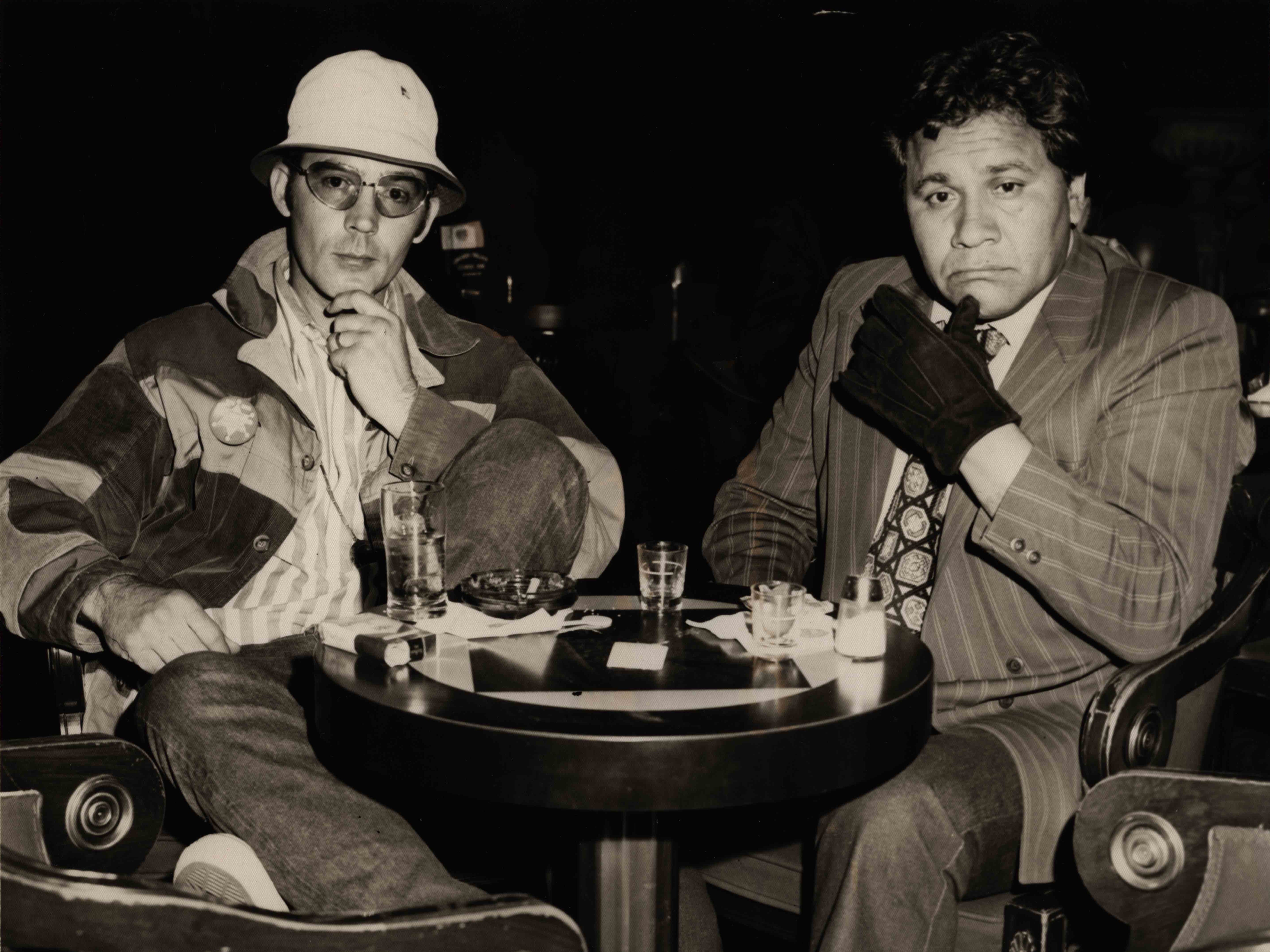
In the spring of 1971, Hunter S. Thompson was sent by Rolling Stone to cover the Mint 400, a grueling off-road race held in the desert near Las Vegas. He was accompanied by his attorney, Oscar Zeta Acosta, who was immortalized in the book as the character Dr. Gonzo. The fundamental premise—a writer and his lawyer traveling to the city to cover a race—is grounded in historical fact. They did indeed stay at the Sahara Hotel and Casino and they did attend the off-road event.
Fact Versus Artistic License
While the framework of the trip is factual, the narrative is heavily embellished. The surreal encounters, the profound philosophical monologues, and the chaotic sequences within various hotels were products of Thompson’s literary style. He used the backdrop of the United States to craft a critique of the 1960s counterculture movement, using the city as a canvas for his own brand of dark, satirical storytelling. Therefore, while it is based on a real itinerary, the book is considered a work of creative non-fiction rather than a literal autobiography.
Retracing the Iconic Landmarks
Travelers visiting Nevada often feel compelled to trace the steps of the infamous duo. While the city has changed drastically since 1971, some of the geography remains recognizable. Understanding what has survived and what has been replaced is a vital part of the tourism experience for fans of literary history.
The Evolution of the Las Vegas Strip
Many of the resorts that appeared in the original narrative have been demolished or rebranded to make room for modern, high-end entertainment hubs. The Sahara Hotel and Casino has undergone significant renovations to align with the contemporary Las Vegas Strip. Walking the path today, one finds a city that has traded the gritty, vintage atmosphere described in the book for a polished, luxury-focused aesthetic defined by state-of-the-art gaming floors and world-class dining.
The Desert Beyond the Lights
The Mint 400, the event that served as the catalyst for the journey, is still an active part of the local racing scene. While the specific desert tracks used in the early seventies have been altered by decades of development and changing land-use policies, the spirit of off-road racing remains a major draw for tourists seeking adventure outside the neon corridors. The vast landscape of the Mojave Desert continues to offer the same sense of isolation and wonder that Thompson captured in his prose.
The Cultural Impact on Tourism
The legacy of the book has turned the city into a site of a peculiar kind of literary tourism. It has cemented the image of Las Vegas as a place of excess and transformation. This reputation, while sometimes a caricature, plays a significant role in how visitors perceive their own travel plans to the city.
The Myth of the American Dream
Tourists arrive in Nevada today with a subconscious expectation of finding a spectacle. Whether they are seeking high-stakes poker, fine dining, or elaborate shows, the city excels at providing a larger-than-life atmosphere that feels almost dreamlike. The book succeeded in defining the city not just as a location, but as a state of mind—a place where the rules of the mundane world are suspended in favor of extreme experiences.
Engaging with the City’s Identity
Travelers who visit today are part of a long history of people coming to Las Vegas to reinvent themselves or to escape reality. The book acts as a lens through which we view this process. Whether one is walking through the opulent lobbies of the Bellagio or exploring the historic sites of Downtown Las Vegas, the influence of this narrative lingers in the background. It reminds visitors that while their individual journey might not be as chaotic as the one described in the pages of the novel, the city itself encourages a break from the ordinary.
Tips for the Modern Literary Traveler
If you are planning to visit Las Vegas with an interest in the literary history surrounding this iconic text, it is important to balance historical curiosity with the reality of modern hospitality.
Focus on the History
If you want to experience the “real” side of the city, look beyond the newest attractions. Visit the Neon Museum, which houses the salvaged signs from the era of the book. These artifacts provide a tangible link to the past, allowing you to see the vibrant, hand-painted craftsmanship of the mid-century signage that lit the way during the 1971 journey.
Embrace the Spectacle
Do not get caught up in trying to recreate the exact events of the story, as both Hunter S. Thompson and the city have moved forward. Instead, focus on the essence of the experience: exploring the vastness of the Nevada landscape, enjoying the unique energy of the nightlife, and witnessing the sheer scale of the resorts.
The story remains a masterpiece because it captured a specific moment in time—a snapshot of America at a crossroads. By recognizing that the book is a blend of true events and creative interpretation, travelers can better appreciate the city as it exists today: a constantly evolving monument to ambition, entertainment, and the search for the extraordinary. Whether or not every detail was “true” in the traditional sense, the cultural truth captured within the work remains an essential part of the tapestry that draws millions of people to this desert destination every year.
LifeOutOfTheBox is a participant in the Amazon Services LLC Associates Program, an affiliate advertising program designed to provide a means for sites to earn advertising fees by advertising and linking to Amazon.com. Amazon, the Amazon logo, AmazonSupply, and the AmazonSupply logo are trademarks of Amazon.com, Inc. or its affiliates. As an Amazon Associate we earn affiliate commissions from qualifying purchases.