
When travelers dream of visiting New York, they often conjure images of iconic skylines dusted in white, carriage rides through Central Park, and the glittering lights of Fifth Avenue. But for those planning a trip, the question of whether it actually snows in this bustling metropolis is both practical and atmospheric. The short answer is yes—winter in this iconic city is defined by its seasonal transition into a snowy landscape, though the experience varies significantly depending on when you choose to visit.
The Seasonal Patterns of New York Winter
Understanding the meteorological rhythm of New York City is essential for any visitor hoping to witness the transformation of the urban landscape. While the city experiences four distinct seasons, winter typically asserts itself between late December and early March.
December: The Beginning of the Chill
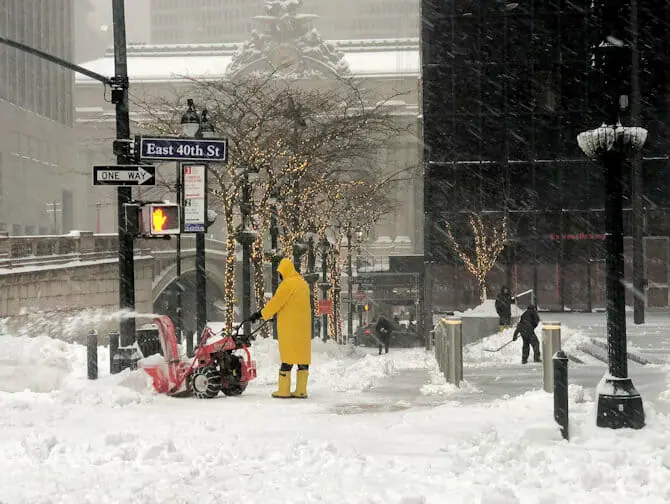
December serves as the bridge between the crisp, biting air of late autumn and the true heart of winter. While early December may see occasional flurries, significant accumulation is relatively rare. However, the atmosphere remains quintessential for a holiday getaway. As the temperature drops, the city prepares for the festive season, and even a light dusting of snow during the lighting of the Rockefeller Center Christmas Tree can turn an ordinary evening into a cinematic moment.
January and February: The Peak of Frost
If your primary goal is to see snow, January and February are statistically your best bet. During these months, the city frequently experiences Nor’easters—powerful storms that move up the East Coast and dump significant amounts of snowfall on the five boroughs. This is when Brooklyn and Manhattan take on a hushed, ethereal quality. Snowfall during this time is often heavy, turning the bustling streets into a serene, monochromatic playground.
March: The Spring Transition
By March, the snow starts to lose its staying power. While a late-season storm can occur, the ground temperatures are often too high to sustain significant accumulation for long. March is a unpredictable time; you might experience a slushy, grey day followed by a crisp, sunny afternoon that signals the coming of spring.
Where to Experience the Snowiest Views
New York offers specific locations that become visually transformed when the flakes begin to fall. If you are timing your travel to coincide with potential snowfall, these locations provide the most picturesque backdrops for your winter excursion.
The Serenity of Central Park
There is no place more iconic during a snowstorm than this sprawling green heart of the city. As the paths of The Mall and the shores of The Lake fill with snow, the surrounding skyscrapers of the Upper West Side seem to retreat into the fog. It is the premier destination for photography, romantic strolls, and capturing the quintessential “winter in the city” aesthetic.

Architectural Splendor at Landmarks
Seeing the Empire State Building pierce through a flurry of snow is an experience that defines the power of winter in North America. Similarly, Times Square takes on a surreal quality during a storm; the neon lights reflect off the wet, accumulating pavement, creating a vibrant contrast against the white backdrop. For those seeking a quieter experience, the New York Public Library and Bryant Park offer a refined view, especially with the outdoor ice rink glowing against the darkened, snowy sky.
Practical Considerations for Winter Travelers
Visiting a major city during the winter months requires a level of preparation that goes beyond simply checking the weather forecast. New York is a walking city, and navigating it when the streets are covered in snow or slush requires a specific strategy.
Footwear and Clothing
The most critical error a traveler can make is arriving with improper footwear. The slush that forms on the corners of Broadway after a snowstorm is notoriously deep and cold. Invest in waterproof, insulated boots with high-traction soles. Layers are your best defense against the volatile city wind tunnels; the temperature may feel tolerable in the sun, but the wind chill between skyscrapers can be brutal.
Transportation During Snow Events
When a significant storm hits, the Metropolitan Transportation Authority generally does an excellent job of keeping the subways running, though outdoor lines may experience delays. Taxis and ride-shares often become scarce and expensive during storms, making the underground network the most reliable way to traverse the city. Always monitor local news outlets for updates regarding transit schedules or street closures.
Embracing the “New York Chill”
There is a unique social energy that arises in the city when it snows. Cafés become sanctuaries of warmth, and the pace of the city seems to slow down just enough to allow for appreciation. Instead of viewing the cold as an inconvenience, embrace the local lifestyle. Spend an afternoon in a bookstore in the West Village, enjoy a hot chocolate near Union Square, or take in the view of the snow-covered Brooklyn Bridge from the waterfront.
The Myth and Reality of “City Snow”
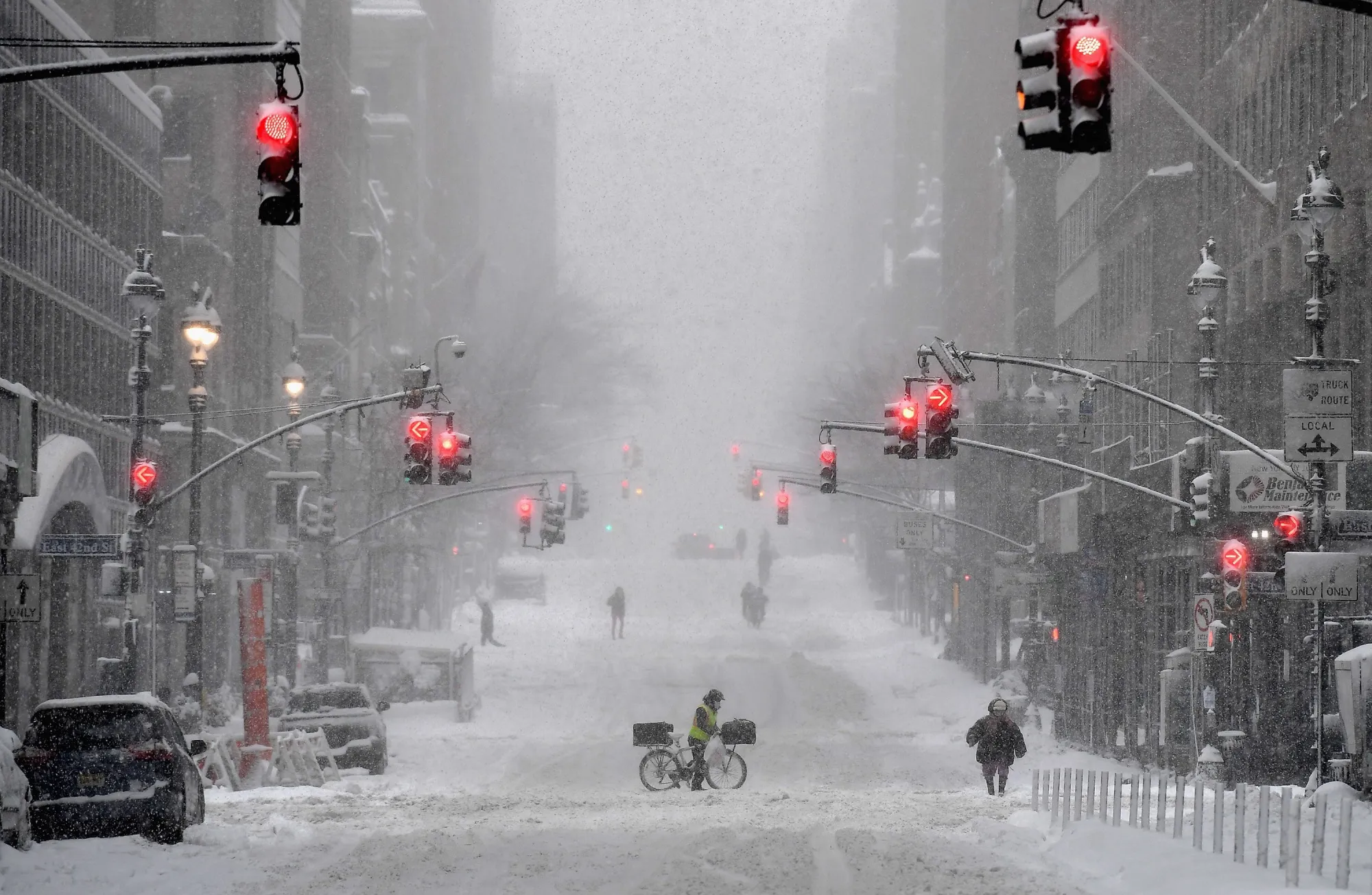
It is important to manage expectations regarding the “white winter” fantasy. While New York definitely experiences snowfall, the urban environment quickly alters it. Snow that begins as a pristine blanket in the early morning hours can turn into grey slush by the afternoon due to heavy pedestrian and vehicle traffic. To see the city at its most beautiful, aim to be out early—right after a storm passes and before the morning rush begins.
This transition from beauty to utility is part of the city’s character. New York does not pause for snow; it adapts. The sanitation crews are among the most efficient in the world, and you will often see fleets of plows clearing the major arteries within hours of a storm’s conclusion. By the time the afternoon sun hits the glass facades of Hudson Yards, the streets are often clear, leaving only the memory of the storm behind.
Ultimately, visiting during the winter is a trade-off. You might contend with the cold and the occasional transport delay, but you are rewarded with a city that feels exclusive, visually stunning, and undeniably resilient. Whether you are catching a show in the Theater District or dining in Little Italy, the presence of snow adds an undeniable layer of drama to the most famous city in the United States. If you come prepared with the right gear and an adventurous spirit, you will find that the snowfall only enhances the magic of the New York experience.
LifeOutOfTheBox is a participant in the Amazon Services LLC Associates Program, an affiliate advertising program designed to provide a means for sites to earn advertising fees by advertising and linking to Amazon.com. Amazon, the Amazon logo, AmazonSupply, and the AmazonSupply logo are trademarks of Amazon.com, Inc. or its affiliates. As an Amazon Associate we earn affiliate commissions from qualifying purchases.