
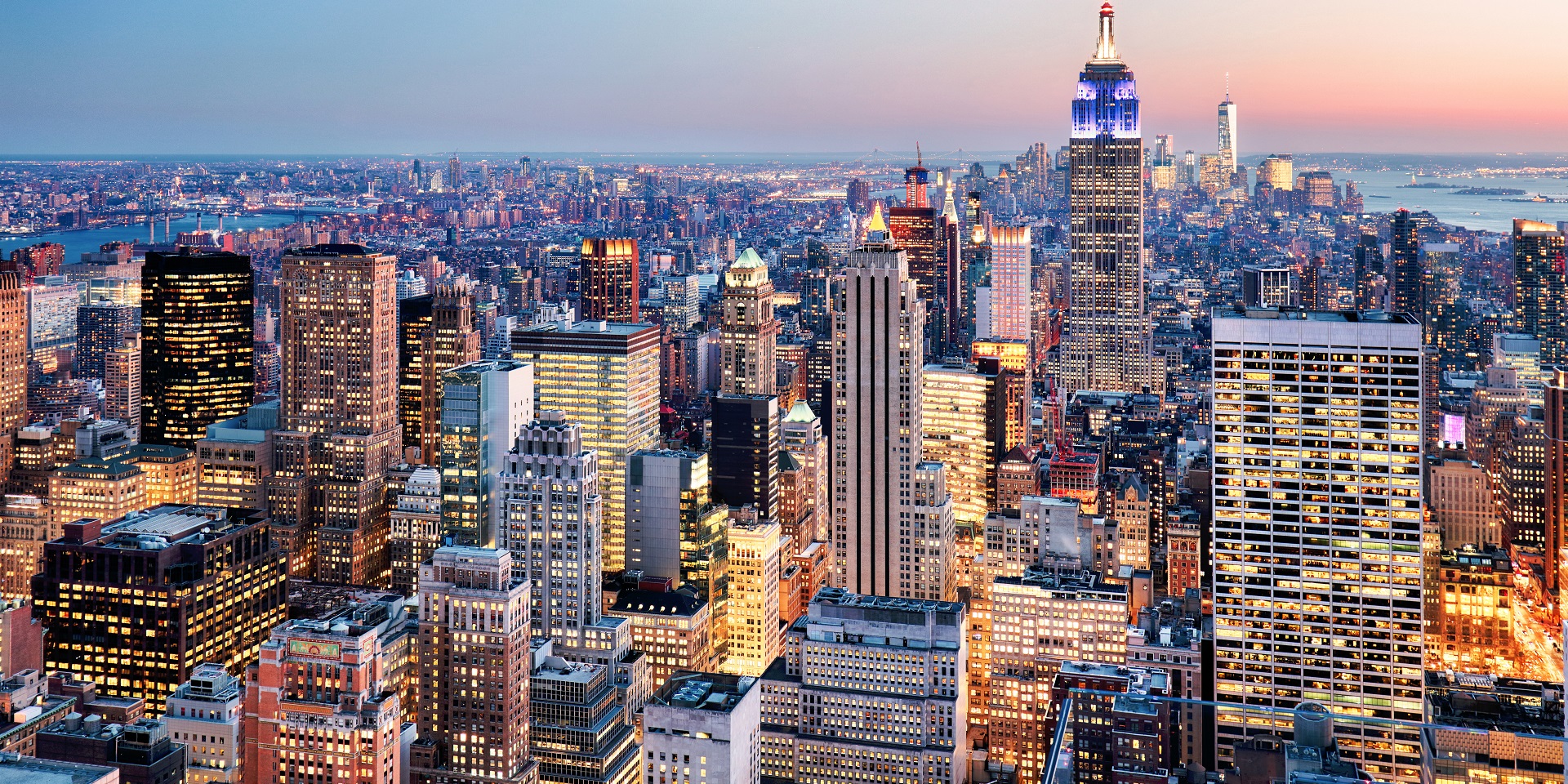
Planning a trip to New York State requires a nuanced understanding of its climate, which shifts dramatically from the bustling streets of New York City to the serene peaks of the Adirondack Mountains. Because the state spans such a diverse range of latitudes and topographies, travelers often find that “weather” in the region is less of a constant and more of an experience tied to the specific calendar date and destination. Whether you are trekking through the Catskill Mountains or exploring the vineyards of the Finger Lakes, knowing what to pack and when to go is essential for a seamless adventure.
The Seasonal Spectrum: From Snowy Peaks to Humid Valleys
New York experiences a true four-season climate. Each season brings a distinct transformation to the landscape, offering travelers varied opportunities for recreation and sightseeing.
Winter: A Wonderland of Cold and Snow
From December through March, New York State undergoes a dramatic shift. Temperatures regularly drop below freezing, particularly in the northern regions near Lake Placid and the St. Lawrence River. While Manhattan occasionally sees slushy, gray days, the upstate regions are typically blanketed in deep, powdery snow. This is the prime time for winter sports enthusiasts to visit the Whiteface Mountain ski resort, where the lake-effect snow provides consistent cover. For city travelers, winter offers the quintessential charm of ice skating at Rockefeller Center or wandering through a snow-dusted Central Park.
Spring: The Period of Awakening
Spring, arriving late in March and extending through May, is a transitional period marked by unpredictable weather. It is common to experience a day that starts with a crisp, biting chill and ends with a warm, sun-drenched afternoon. As the frost recedes, the Hudson Valley begins its vibrant transformation, with fruit blossoms and lush greenery returning to the rolling hills. Visitors during this time should practice the art of “layering”—a light waterproof jacket over a warm sweater is usually the safest bet for navigating cities and nature trails alike.
Summer: Heat, Humidity, and Outdoor Escapes
The New York summer, spanning June to August, is characterized by warm, humid days and pleasant evenings. In Long Island, the sea breeze provides a welcome respite from the high temperatures, making it a perfect time to visit the Hamptons or Fire Island. Inland, the Niagara Falls area remains a refreshing destination, as the mist from the falls offers a natural cooling effect. While city travel can become quite warm in July and August, the abundance of outdoor festivals, rooftop bars, and events makes the humidity a small price to pay for the vibrant energy of the season.
Autumn: The Golden Standard of Travel
Widely considered the best time to visit New York State, autumn (September through November) offers mild, comfortable temperatures and breathtaking scenery. The foliage in the Berkshires and throughout the Appalachian Mountains turns into a spectacular palette of crimson, gold, and burnt orange. By late October, the air grows crisp, calling for cozy sweaters and long walks through historic towns like Saratoga Springs. It is the ideal season for hiking, apple picking, and touring the many historic estates throughout the state.
Geographic Variations: Understanding Local Climates
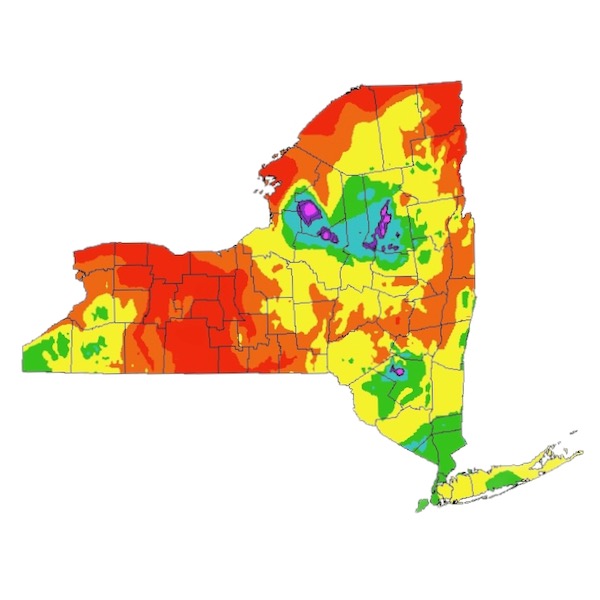
It is a common mistake to assume that the weather in Buffalo mirrors the climate of the coastal regions. The state is divided by several distinct climate zones that dictate your travel experience.
The Coastal Influence
The southern part of the state, including Brooklyn, Queens, and Staten Island, benefits from the moderating effects of the Atlantic Ocean. Winters are generally milder here than in the northern interior, though the region is susceptible to coastal storms or “nor’easters” that can bring significant rain or snow. Summers are typically warmer but feel less stifling than in the interior due to constant ocean breezes.
The Lake Effect Phenomenon
Travelers venturing toward Western New York should be prepared for the phenomenon known as “lake-effect snow.” As cold air moves over the relatively warmer waters of Lake Erie and Lake Ontario, it creates localized, intense snowfall. While this can sometimes cause delays in travel, it is also what makes the region so famous for its world-class winter sports. For those planning a summer trip, these lakes offer glorious sunrises and refreshing swims, completely transforming the region’s character compared to the colder months.
The Highland and Mountainous Interiors
Elevations in the Catskills and Adirondacks result in significantly cooler average temperatures. Even during the peak of a July heatwave, the higher altitudes of these mountain ranges remain temperate, providing an ideal escape for campers and hikers. Conversely, early frost is common in these highlands, so travelers planning late-season visits to areas like Lake George should pack accordingly for rapid temperature drops after sunset.

Practical Advice for New York Travelers
When organizing your itinerary, understanding the weather is only half the battle; knowing how to navigate it is the other.
- Check Micro-Forecasts: Because of the varying geography, do not rely on a general weather app for the entire state. If you are staying in Albany but planning a day trip to the Thousand Islands, check the forecast specifically for your destination.
- Embrace the Layers: Regardless of the time of year, New York weather is famously fickle. A bright morning in the Hudson Valley can turn into a rainy afternoon, or a mild day in Rochester can succumb to a sudden wind chill. Carrying a packable, wind-resistant, and water-repellent layer is the smartest travel hack for any visitor.
- Prepare for “Shoulder Seasons”: The months of May and October are the “shoulder seasons.” Prices for accommodations in popular spots like Cooperstown or Ithaca often drop, and the weather is generally pleasant. However, these months can be erratic, so be prepared for both warm sunshine and cool, damp air.
- Accessibility and Transport: During winter months, public transportation in major hubs like Penn Station or Grand Central Terminal can experience delays due to heavy snow. If your itinerary involves strict deadlines, always build in a buffer during the winter months.
Ultimately, New York State offers a dynamic backdrop for travelers who appreciate the beauty of changing seasons. By preparing for the inherent variability of the weather, you ensure that your trip—whether it is a luxury stay in a Hamptons estate or a rustic camping trip in the Adirondack Park—remains memorable for all the right reasons. The diverse climate is not a hurdle; it is a fundamental element of the state’s character, promising a different, beautiful, and engaging experience every time you return.
LifeOutOfTheBox is a participant in the Amazon Services LLC Associates Program, an affiliate advertising program designed to provide a means for sites to earn advertising fees by advertising and linking to Amazon.com. Amazon, the Amazon logo, AmazonSupply, and the AmazonSupply logo are trademarks of Amazon.com, Inc. or its affiliates. As an Amazon Associate we earn affiliate commissions from qualifying purchases.