
When exploring the culinary landscape of the United States, few dishes hold the iconic status of the New York Strip steak. It is a staple on the menus of high-end steakhouses from Manhattan to Los Angeles, prized by gourmands and casual diners alike for its perfect balance of tenderness and robust beefy flavor. Understanding what exactly this cut is, where it comes from, and why it is so highly regarded is essential for anyone looking to appreciate the finer points of American cuisine.
The Anatomy of the Cut: Where Does It Come From?
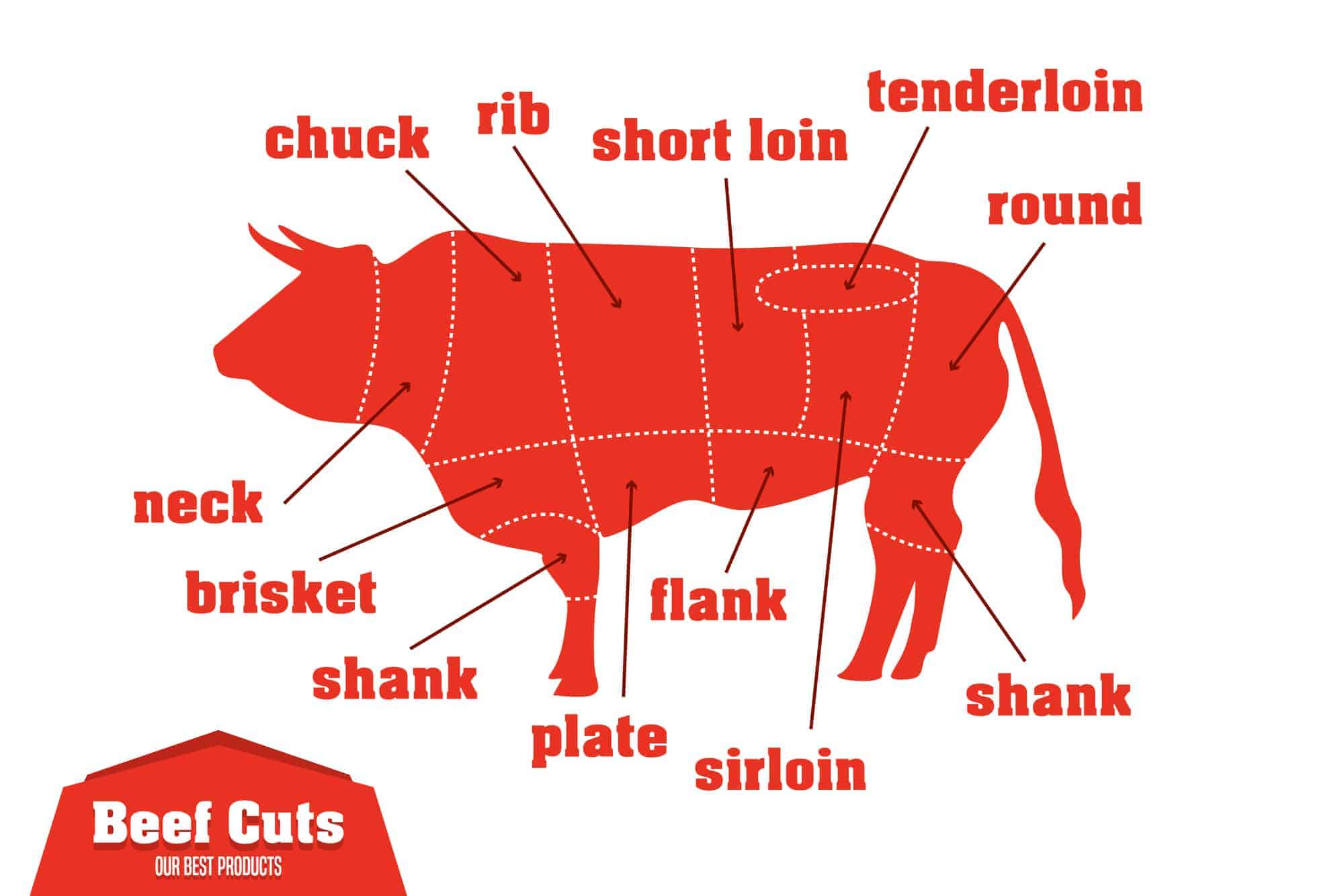
To understand the New York Strip, one must look at the anatomy of the steer. The steak is sourced from the short loin, a section located along the back of the animal, specifically behind the ribs. This muscle group—the longissimus dorsi—does very little work during the animal’s life, which is the primary reason for the cut’s signature tenderness.
The Short Loin vs. The Rib
It is common for diners to confuse the New York Strip with a Ribeye. While both come from the primal loin section, they are distinct. The Ribeye is cut from the rib section, known for higher marbling and a looser grain. In contrast, the New York Strip comes from the short loin, which is leaner and features a more uniform texture. This area is also home to the Tenderloin; when the short loin is left intact with the bone in, it produces the T-bone or Porterhouse steak. The New York Strip is essentially the “strip” of meat on one side of that T-bone.
The Role of Aging
In New York City, the legendary steakhouses of the early 20th century popularized the practice of dry-aging beef. The New York Strip is particularly well-suited for this process. During dry-aging, the meat is hung in a temperature-controlled environment for several weeks. This allows moisture to evaporate, concentrating the flavor, while natural enzymes break down connective tissues, enhancing the tenderness. A properly aged New York Strip develops a depth of flavor that is earthy, nutty, and distinctly savory—characteristics that define the premier dining experiences at institutions like Peter Luger Steak House.
Characteristics of the Perfect Strip
What separates a mediocre steak from a masterpiece? For those traveling through culinary hubs like Chicago or Texas, identifying the quality of a New York Strip comes down to a few key visual and tactile markers.
Marbling and Texture
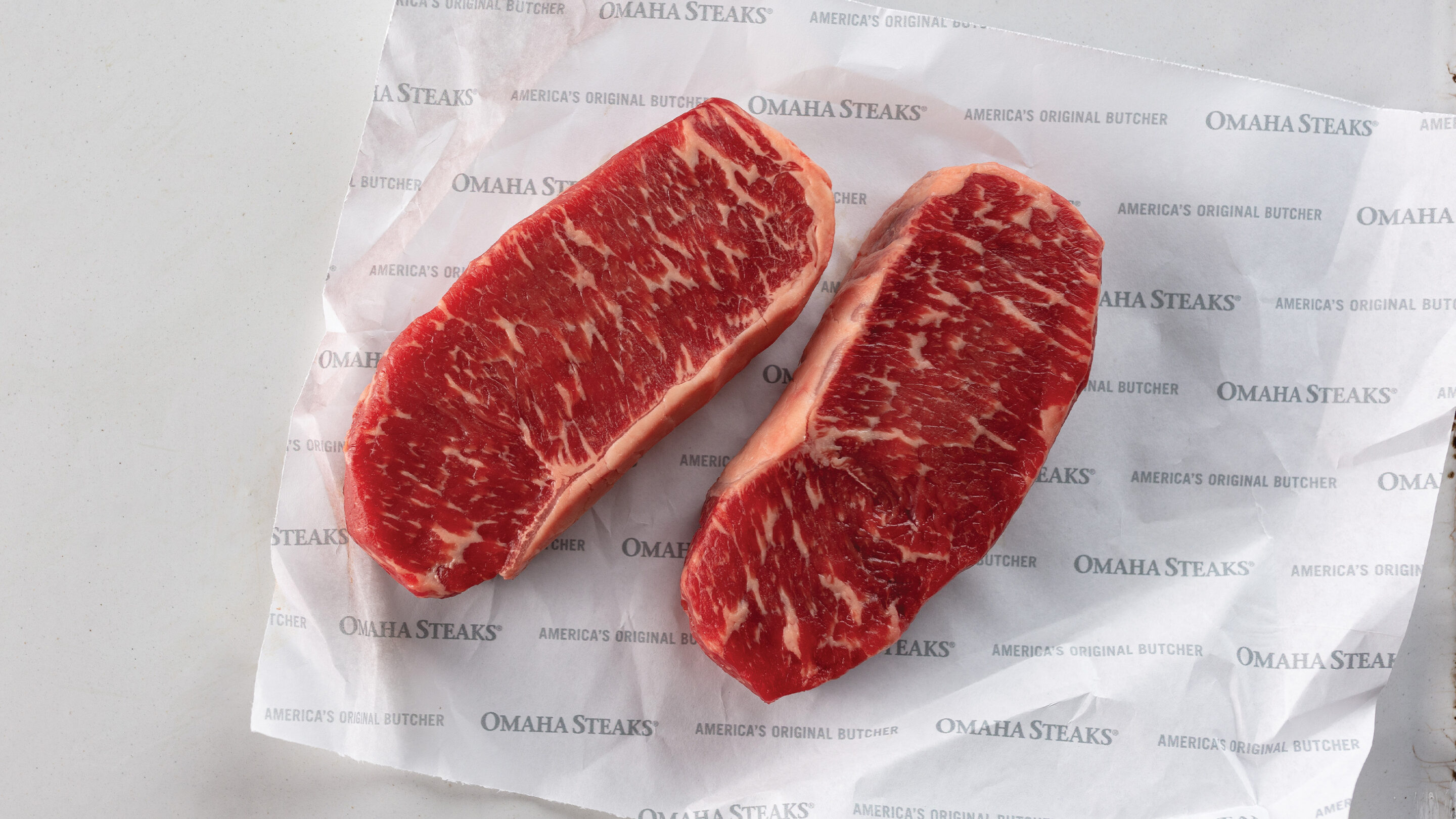
Marbling—the intramuscular fat—is the primary indicator of quality. In a high-quality New York Strip, you should see fine, white flecks of fat distributed throughout the red muscle tissue. When cooked, this fat renders down, basting the steak from the inside out. This is why a well-marbled strip remains juicy even when grilled to medium-rare. The texture should be firm, and the fat cap on the edge, often referred to as the “strip” of fat, should be white and creamy rather than yellow or waxy.
The “Strip” Identity
The name itself is a nod to its shape and history. While there is historical debate, many food historians believe the “New York” prefix was attached to the cut by the grand dining establishments in New York. Regardless of the linguistic origins, the cut remains a testament to the American preference for a hearty, substantial portion of beef that doesn’t sacrifice refinement for size.
Cooking and Culinary Preparation
Preparation is the final step in the journey of the New York Strip. Because this cut is relatively thick and uniform in shape, it is incredibly forgiving to cook, making it a favorite for both professional chefs and home enthusiasts.
The Seared Perfection
The most common and arguably the best way to prepare this steak is by searing it over high heat. Whether you are in a backyard in Denver or a professional kitchen in Miami, the goal is to develop a deep, caramelized brown crust known as the Maillard reaction. This crust provides a savory, crunchy contrast to the tender, buttery interior of the meat.
- Preparation: Always bring the steak to room temperature before cooking to ensure even heat distribution.
- Seasoning: A liberal coating of kosher salt and freshly cracked black pepper is usually sufficient to highlight the beef’s natural profile.
- Basting: Many chefs utilize the “butter-basting” technique, adding a knob of unsalted butter, fresh thyme, and crushed garlic cloves to the pan during the last minute of cooking. The resulting foam is spooned over the steak, infusing the surface with aromatic richness.
Regional Variations and Pairings
While the steak itself remains consistent, how it is served often reflects regional culture. In the Pacific Northwest, you might find the strip paired with locally foraged mushrooms or a pinot noir reduction. In New Orleans, it might be served with a decadent Creole butter sauce. Regardless of the regional flair, the star remains the meat itself.
Why the New York Strip Remains a Cultural Icon
The New York Strip is more than just a cut of meat; it is a symbol of American gastronomic identity. It represents a history of agricultural expertise, a dedication to the craft of butchery, and a social tradition of the “night out” at a grand steakhouse.
A Legacy of Dining
When you order a New York Strip, you are participating in a tradition that spans generations. It is the steak of choice for business deals in Washington D.C. and celebratory dinners in Las Vegas. Its reliability is its greatest strength. Unlike cuts that require hours of slow-smoking or braising, the New York Strip is ready to shine with just a few minutes of attentive heat.

The Verdict for Travelers
For those traveling across North America, seeking out the perfect New York Strip is a fantastic way to engage with local food culture. Whether you find yourself in a historic, wood-paneled room or a modern, minimalist restaurant, the quality of this steak often acts as a benchmark for the establishment’s standards. By understanding the anatomy of the short loin, the importance of marbling, and the artistry of the sear, you transform from a casual diner into an informed connoisseur of one of the world’s most beloved cuts of beef.
Whether enjoyed rare with a side of creamed spinach or medium-well with a peppercorn sauce, the New York Strip remains the quintessential steak experience. It demands little more than heat, time, and respect for the quality of the beef, proving that in the world of fine dining, sometimes the most straightforward cuts offer the most profound satisfaction.
LifeOutOfTheBox is a participant in the Amazon Services LLC Associates Program, an affiliate advertising program designed to provide a means for sites to earn advertising fees by advertising and linking to Amazon.com. Amazon, the Amazon logo, AmazonSupply, and the AmazonSupply logo are trademarks of Amazon.com, Inc. or its affiliates. As an Amazon Associate we earn affiliate commissions from qualifying purchases.