
Understanding the financial landscape of Long Island is a foundational step for anyone considering a move to this iconic region of New York, whether for career opportunities, long-term residency, or the pursuit of a specific lifestyle. As a premier destination known for its proximity to New York City, sprawling coastlines, and distinct suburban communities, the economic baseline of the area is heavily influenced by state-mandated wage regulations. For workers, employers, and those exploring the cost of living in various United States locales, the current minimum wage serves as a critical indicator of economic viability.
The Current State of Minimum Wage in New York
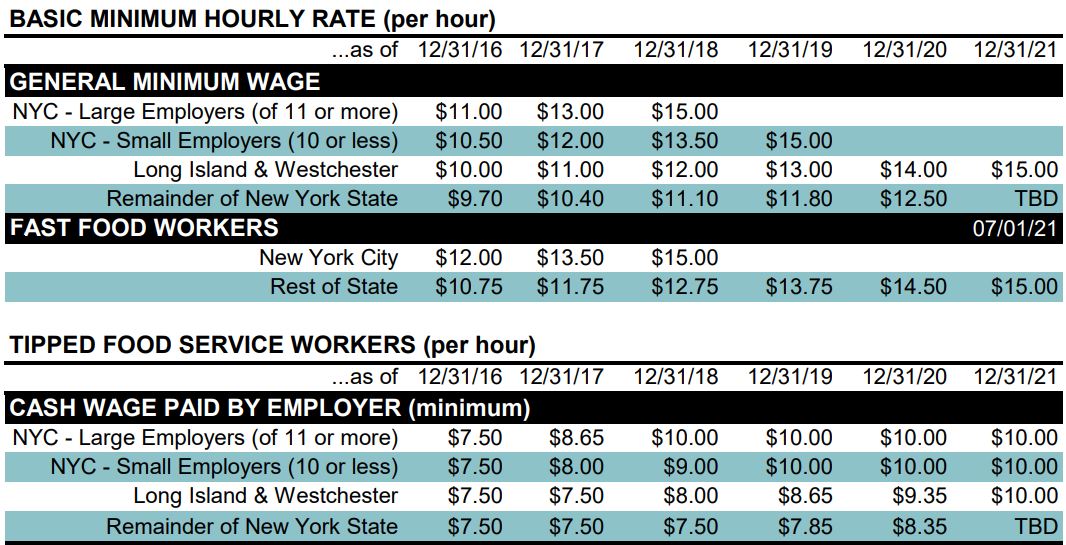
The wage landscape across New York State has undergone significant transformations in recent years. To remain competitive and address the rising cost of living, state legislators implemented a multi-year plan to increase the minimum wage, eventually pegging future adjustments to the Consumer Price Index (CPI).
Understanding the Wage Floor
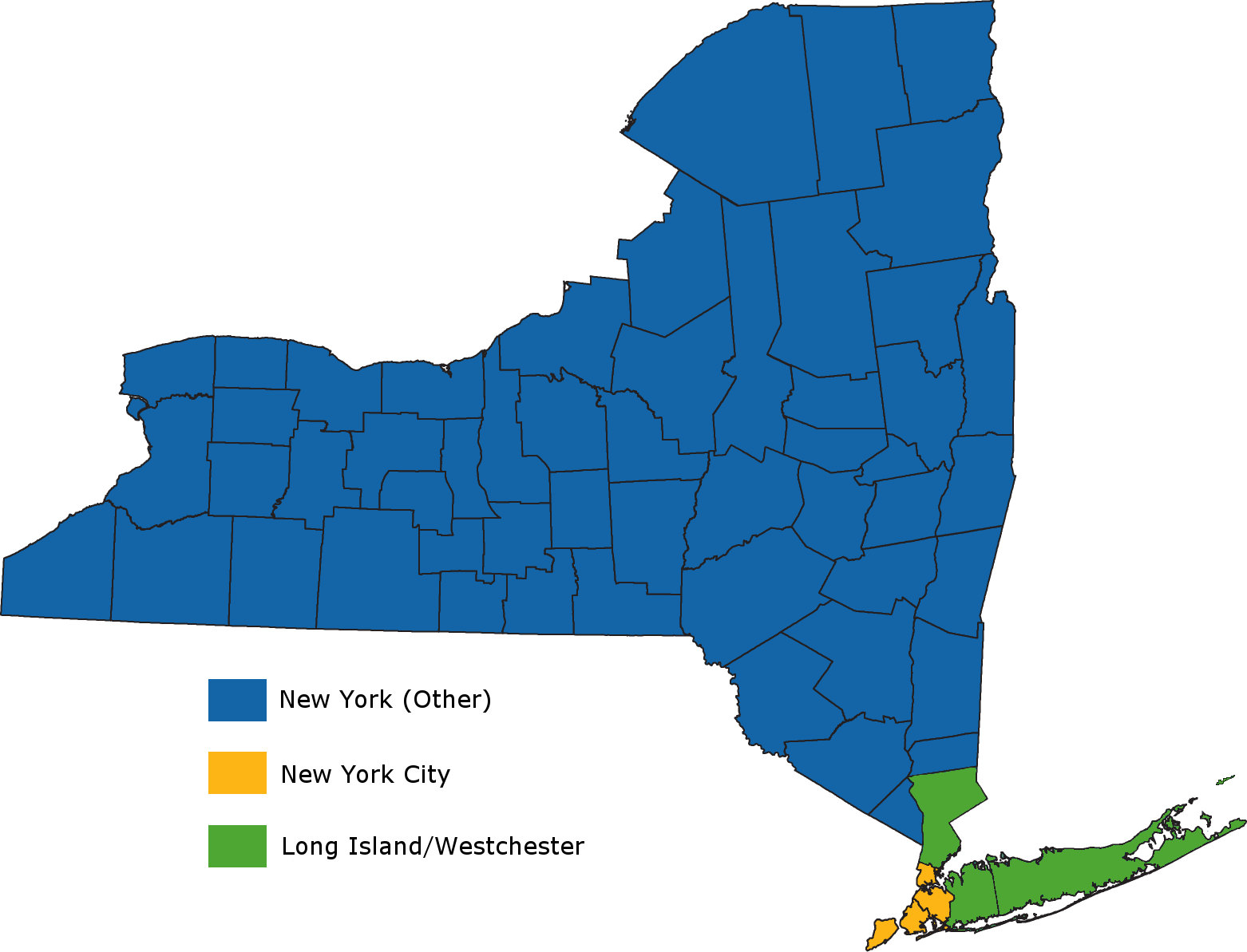
As of the latest legislative updates, the minimum wage in Long Island has reached $16.00 per hour. This figure aligns Long Island with the standards set for Westchester County and New York City. This alignment represents a deliberate effort by the state government to ensure that residents in these high-cost areas possess a consistent earning baseline.
How Adjustments Are Determined
The transition to indexed wage increases is a relatively new development. Under current law, the New York State Department of Labor reviews inflation data annually. If the economic indicators suggest a rise in the cost of goods and services, the minimum wage is adjusted upward accordingly. This mechanism is designed to provide predictability for businesses while protecting the purchasing power of the workforce.
Economic Implications for Long Island Residents
Living on Long Island presents a unique set of financial realities. From the affluent villages of the Hamptons to the bustling residential hubs of Nassau County and the expansive landscapes of Suffolk County, the cost of housing, transportation, and daily expenses remains high.
Balancing Wages and the Cost of Living
While the $16.00 hourly rate is a mandated minimum, many industries across Long Island operate above this threshold due to labor shortages and the high demand for skilled services. Retail, hospitality, and administrative sectors often offer competitive pay packages to attract talent in a region that competes directly with the labor market of New York City.
Impact on Local Businesses
Small business owners, particularly those in the service and tourism sectors, face unique challenges. Because Long Island is a popular destination for summer tourism, businesses often see fluctuations in revenue. The mandatory wage increase requires careful financial planning. Many establishments adapt by optimizing their operational hours, focusing on efficiency, or adjusting their service pricing to account for the increased overhead associated with labor costs.
Navigating Employment in the Region
Whether you are relocating to Long Island or looking for a change in career, it is essential to look beyond the base minimum wage. The economic ecosystem of the island is diverse, encompassing everything from high-tech research centers to traditional retail and agricultural businesses.
Industry-Specific Earning Potential
It is important to note that certain sectors are subject to different regulations or market norms:
- Hospitality and Tourism: In areas like Montauk or Fire Island, seasonal work is prevalent. While the hourly minimum applies, tips and seasonal bonuses often supplement income significantly.
- Professional Services: In areas like Garden City or Huntington, professional offices and corporate headquarters typically offer starting salaries that far exceed the state minimum, reflecting the high educational attainment of the local workforce.
- Trade and Construction: Given the continuous development and maintenance of residential properties across Nassau County and Suffolk County, skilled laborers often command premium wages that bear little relation to the statutory minimum.
The Value of Professional Development
In a region as economically active as Long Island, the path to financial growth often relies on professional certification and specialized training. Job seekers are encouraged to leverage the extensive network of community colleges and vocational institutions located throughout New York State to move beyond minimum wage roles. Upskilling remains one of the most effective strategies for navigating the high cost of living in the region.
Essential Resources for Workers and Employers
Keeping track of labor laws is a shared responsibility. Both workers and employers should remain informed of their rights and obligations to ensure a fair and compliant workplace environment.
Where to Find Official Updates
The most reliable source for information regarding labor laws is the New York State Department of Labor. They provide detailed fact sheets, compliance posters for employers, and resources for employees regarding overtime pay, tip credits, and wage garnishment rules.
Understanding Tax and Deduction Impacts
It is also vital to remember that the minimum wage is the “gross” amount. Once taxes, social security, and other withholdings are factored in, the “take-home” pay is lower. When planning a budget for life on Long Island, residents must account for New York State income tax, as well as the potential for local municipality taxes.

Seeking Professional Guidance
For those navigating complex labor disputes or business compliance, seeking legal counsel or speaking with a financial advisor familiar with the Nassau County and Suffolk County markets can be incredibly beneficial. Local chambers of commerce in cities like Long Beach or Patchogue can also serve as excellent hubs for businesses looking to understand local economic trends and labor requirements.
Ultimately, while the minimum wage in Long Island provides a baseline, the region’s economic strength is rooted in its ability to offer diverse opportunities that span multiple industries. By staying informed on current regulations and focusing on skill acquisition, individuals can thrive in this vibrant and historically significant part of the United States. Whether you are drawn to the scenic beaches or the proximity to the global financial hub of New York City, understanding the financial floor is your first step toward building a successful future on the island.
LifeOutOfTheBox is a participant in the Amazon Services LLC Associates Program, an affiliate advertising program designed to provide a means for sites to earn advertising fees by advertising and linking to Amazon.com. Amazon, the Amazon logo, AmazonSupply, and the AmazonSupply logo are trademarks of Amazon.com, Inc. or its affiliates. As an Amazon Associate we earn affiliate commissions from qualifying purchases.