
When discussing the vulnerability of major global New York landmarks and the historical impact of extreme weather on coastal regions, one storm stands out as a pivotal moment in the city’s modern history: Hurricane Sandy. While New York City is often spared the direct impact of major tropical cyclones due to its northern latitude and cooler surrounding waters, the events of late October 2012 forever changed the landscape of the metropolis and how we perceive the resilience of our favorite tourist destinations.
The Anatomy of Superstorm Sandy
In late October 2012, a massive tropical cyclone formed in the Caribbean Sea, eventually intensifying into a category 3 hurricane. As it tracked north along the Atlantic Ocean coastline, it merged with a cold front, transforming into a gargantuan “post-tropical cyclone.” By the time it made landfall near Brigantine, New Jersey, it had become the largest Atlantic hurricane on record by diameter.
Atmospheric Chaos and Surge
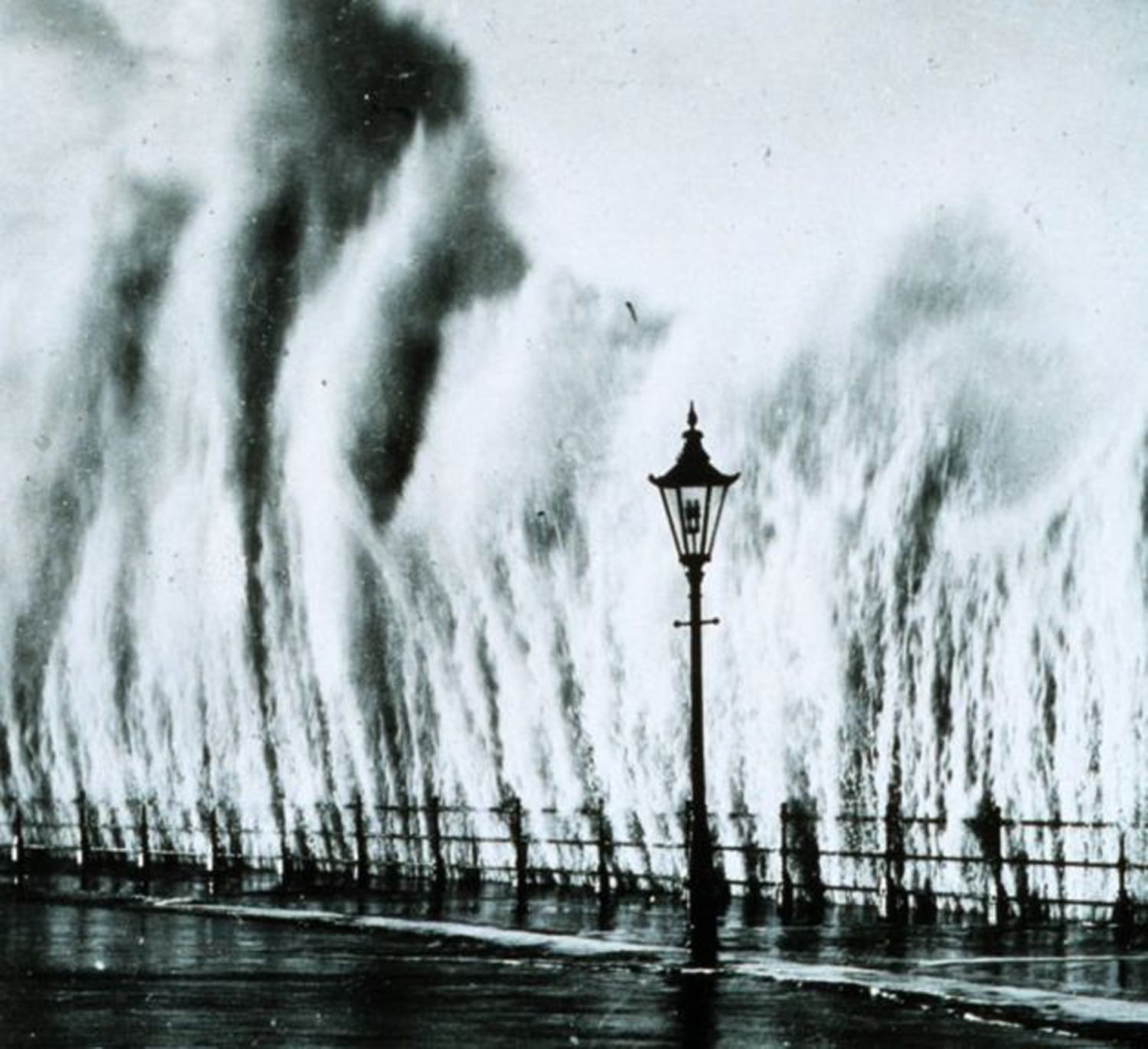
The storm brought a life-threatening storm surge to the New York Harbor, pushing seawater into the streets of Lower Manhattan and the boroughs of Staten Island, Queens, and Brooklyn. The combination of a high tide and the massive pressure drop caused the water to crest at historic levels, breaching infrastructure that had stood for generations.
Impact on Infrastructure
The surge forced water into subway tunnels, grounded flights at John F Kennedy International Airport, and crippled the power grid. For visitors and residents alike, the sight of iconic spots like Battery Park completely underwater served as a stark reminder of the power of nature.
Historical Context: Storms in the Northeast
While Sandy is the most recent and destructive storm in collective memory, New York has a long, if infrequent, history of facing the wrath of hurricanes. The geographic positioning of the city—nestled behind Long Island—often acts as a natural buffer, but it is by no means immune.
The Long Island Express
Before Sandy, the most notable storm was the Great New England Hurricane of 1938, often referred to as the “Long Island Express.” This storm struck New England with minimal warning, causing catastrophic damage to the coastal architecture of The Hamptons. Unlike modern storms, which benefit from advanced satellite tracking, the 1938 hurricane caught the population entirely off guard, leading to significant loss of life and a reshaping of the local shoreline.
The Changing Climate Narrative
The frequency of these “unprecedented” events has caused urban planners and historians to re-evaluate the architecture of iconic sites such as Ellis Island and the Statue of Liberty. Tourism boards and preservationists now look at these historic landmarks not just as symbols of the past, but as test cases for long-term climate adaptation.

Rebuilding the City: A New Era for Tourism
Following the devastation of 2012, the recovery phase transformed the tourism landscape. Projects were initiated not just to restore what was lost, but to build a more resilient infrastructure that could protect the city’s most treasured attractions from future flooding.
Hardening the Waterfront
Significant efforts were poured into protecting areas like the South Street Seaport. The goal was to maintain the historic charm of these districts while integrating modern flood barriers and advanced drainage systems. Today, visitors walking along the East River will notice subtle changes in design—higher sea walls and elevated boardwalks—that serve to protect both the heritage of the area and the millions of visitors who flock there annually.
The Resilience of Culture
Despite the damage, the spirit of New York remained unbroken. Institutions like the Museum of Modern Art and Broadway theatres quickly pivoted to ensure that the cultural heartbeat of the city continued to pulse. This period of rebuilding actually fostered a new kind of tourism: the “resilience tour,” where visitors could witness the incredible effort taken to preserve landmarks against the backdrop of an ever-changing climate.
Essential Tips for Travelers Visiting Coastal Cities
For those planning trips to major coastal destinations, the legacy of Hurricane Sandy offers valuable lessons. Being aware of the risks and understanding the infrastructure of your destination can make for a more informed and appreciative visit.
Seasonal Awareness
If you are planning to visit the East Coast or other hurricane-prone regions, it is vital to keep the Atlantic hurricane season in mind, which runs from June through November. While the risk of a direct hit remains statistically low for any specific week, being aware of the potential for weather-related disruptions can help travelers prepare accordingly.
Supporting Local Heritage
When you visit cities like Charleston, Miami, or New York, take the time to notice the engineering behind the landmarks. Understanding how these cities protect their historic districts against storms provides a much deeper appreciation for the effort required to keep these locations accessible for future generations.

Staying Informed
Modern travel now incorporates a level of weather awareness that was less common in the past. Always monitor updates from official sources before visiting coastal landmarks. The infrastructure built post-Sandy has made New York City significantly more capable of handling storm surges, ensuring that the Brooklyn Bridge, the Empire State Building, and the Central Park remain safe and accessible for tourists worldwide.
The history of hurricanes in New York is a testament to the city’s ability to adapt. What started as a moment of catastrophe with Hurricane Sandy has evolved into a masterclass in urban resilience, ensuring that the landmarks we love continue to stand tall against the tide. Whether you are walking through Times Square or relaxing in Washington Square Park, you are walking through a city that has stared down the elements and emerged stronger, ready to welcome the world.
LifeOutOfTheBox is a participant in the Amazon Services LLC Associates Program, an affiliate advertising program designed to provide a means for sites to earn advertising fees by advertising and linking to Amazon.com. Amazon, the Amazon logo, AmazonSupply, and the AmazonSupply logo are trademarks of Amazon.com, Inc. or its affiliates. As an Amazon Associate we earn affiliate commissions from qualifying purchases.