
Have you ever wrapped yourself in a hotel towel after a long shower and wondered why it feels infinitely fluffier and softer than the one hanging in your own bathroom? It is a common travel envy. Whether you are staying at a luxury retreat like the Ritz-Carlton in New York or a boutique escape in Paris, hotel towels seem to defy the laws of physics, maintaining their cloud-like texture despite being washed hundreds of times.
The secret is not magic, nor is it a mysterious, unobtainable laundry detergent found only by hospitality insiders. Instead, it is a combination of high-grade textiles, precise chemical balancing, commercial laundry engineering, and meticulous maintenance routines. Understanding these professional techniques allows anyone to replicate hotel-quality softness at home.
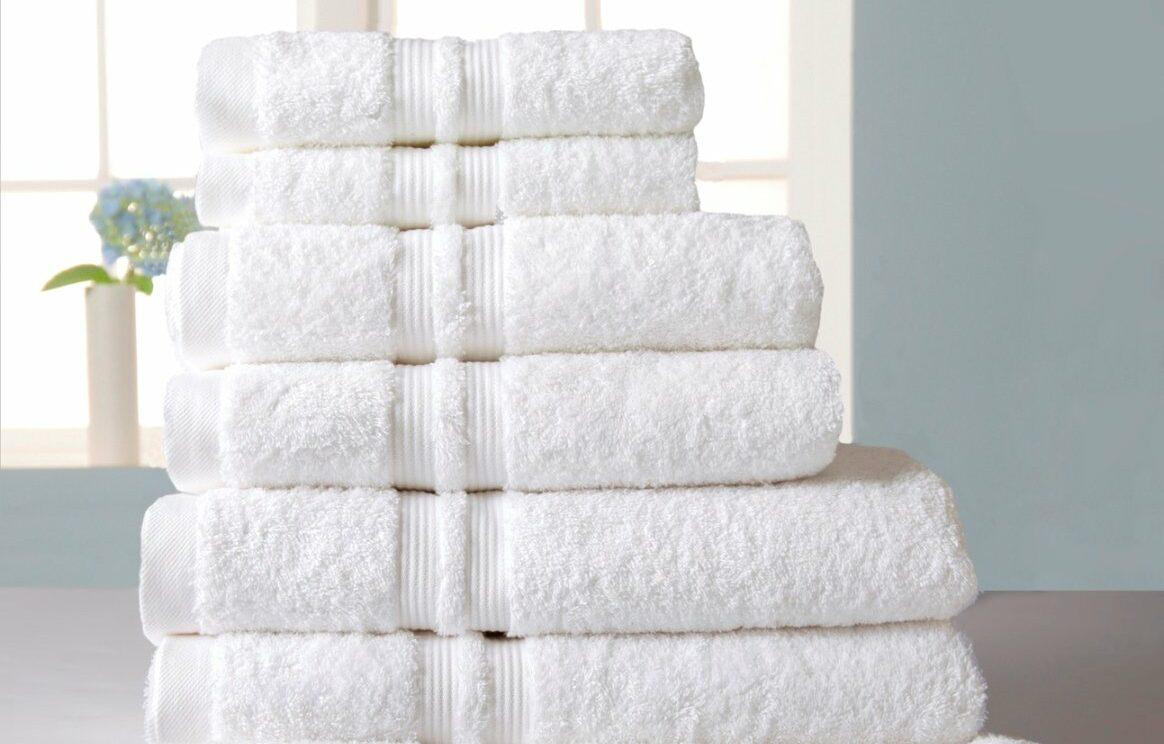
The Foundation of Fluffiness: Quality and GSM
The journey of a hotel towel begins long before it ever enters a washing machine. The secret to ultimate softness is heavily rooted in the material sourcing and manufacturing specifications chosen by top-tier properties like the Four Seasons.
Premium Cotton Varieties
Hotels do not purchase cheap, short-staple cotton. They invest in long-staple and extra-long-staple cotton fibers, most notably Turkish cotton and Egyptian cotton.
- Turkish Cotton: Known for its long fibers, it provides exceptional absorbency while drying quickly, making it a favorite for Mediterranean resorts in Bodrum.
- Egyptian Cotton: Famous for its incredible length and strength, it creates softer, more durable loops that resist fraying and hardening over time.
Understanding GSM
When hospitality procurement teams evaluate bath linens, they look closely at GSM, which stands for grams per square meter. This metric measures the density and weight of the fabric.
- Standard household towels typically range from 300 to 400 GSM, which can feel thin and wear out quickly.
- Luxury hotels generally utilize towels ranging from 600 to 900 GSM. This higher density means more cotton loops per square inch, resulting in a plush, heavy feel that wraps the body in warmth.
The Professional Laundry Routine
Even the finest cotton will turn scratchy if subjected to improper laundering. Commercial hotel laundries, whether operating on-site at properties in Las Vegas or via off-site industrial facilities servicing London, follow strict scientific protocols to preserve textile integrity.
The War on Detergent Buildup
One of the primary reasons home towels become stiff and scratchy is the overuse of laundry detergent and fabric softener. Over time, chemical residues coat the cotton fibers, hardening them and reducing their ability to absorb water.
- Hotels use measured, industrial-grade liquid detergents dispensed automatically by precision pumps.
- They prioritize thorough rinsing cycles. Commercial washers often feature multiple rinse phases to ensure every trace of soap is completely flushed from the dense fabric loops.
The Power of Vinegar and Baking Soda
While industrial laundries rely on specialized commercial agents, hospitality consultants often recommend natural alternatives that mimic professional results. White vinegar and baking soda are staples in breaking down detergent buildup.
- White Vinegar: Added during the rinse cycle, vinegar acts as a natural fabric softener. It strips away residual soap scum and mineral deposits without coating the fibers in the waxy films typical of commercial softeners.
- Baking Soda: Adding a small amount to the wash cycle helps loosen fibers and neutralize odors, keeping the cotton open and fluffy.
Banning Liquid Fabric Softener
It surprises many guests to learn that high-end hotels rarely use liquid fabric softeners. Fabric softeners work by depositing a thin, lubricating layer of chemical compounds onto the fibers. While this feels soft initially, the buildup accumulates with every wash, flattening the cotton loops and drastically reducing absorbency. Hotels prefer their towels to be genuinely soft through proper washing and drying techniques rather than artificially coated.

Industrial Drying and Thermal Dynamics
The drying process is where the signature hotel fluffiness is truly locked in. Home dryers often lack the capacity and airflow required to restore crushed cotton loops, but commercial laundry setups utilize specialized physics to achieve perfection.
High-Volume Airflow and Space
In industrial tumble dryers, towels have ample room to tumble freely. When towels are crammed into a small dryer drum, they clump together, resulting in uneven drying, stiffness, and flattened loops. Commercial facilities ensure large capacities so hot air can circulate freely around every single fiber.
Temperature Control and Timing
Hotels avoid scorching their linens, which damages the cotton fibers and causes them to become brittle. Instead, they use optimized medium-to-high heat settings combined with moisture sensors. These sensors stop the drying cycle the moment the towels reach the ideal moisture threshold, preventing over-drying that strips the cotton of its natural elasticity.
The Wool Dryer Ball Effect
To maintain softness without chemical softeners, industrial dryers utilize tumbling action and mechanical agitation. At home, you can replicate this by using wool dryer balls. As they bounce around the drum, they physically separate the towels, improve airflow, and fluff the cotton loops naturally as the fabric dries.
Lifecycle Management and Rotation
No matter how well a towel is treated, fibers eventually degrade. Luxury establishments do not wait until a towel is threadbare or gray to replace it. They follow strict inventory management systems to ensure guests always experience pristine linens.
The Rotation System
Hotels typically maintain a three-way rotation for all bath linens: one set is currently in use in guest rooms, one is in the laundry pipeline, and one is resting in storage. Giving cotton fibers “rest days” allows them to regain their natural shape and elasticity between washes, significantly extending their lifespan.
Rigorous Quality Control Checks
Housekeeping staff and laundry attendants act as the first line of defense against declining quality. Towels are inspected constantly. The moment a towel shows signs of pilling, fraying edges, or a permanent reduction in softness, it is downgraded. Properties in tropical destinations like Hawaii or urban hotspots like Tokyo repurpose these older towels for pool use, gym cleaning rags, or staff maintenance, ensuring that guest-facing rooms exclusively feature plush, hotel-grade bath sheets.

Bringing Hotel Softness Home
Transforming your daily routine doesn’t require commercial-grade machinery. By adopting professional habits, you can elevate your bathroom experience.
- Buy Higher GSM: Upgrade your linen closet by investing in towels with a GSM of 600 or higher, preferably made of 100% long-staple cotton.
- Cut Back on Soap: Use half the amount of laundry detergent you normally would, and always run an extra rinse cycle.
- Skip the Softener: Stop using liquid fabric softener and dryer sheets. Instead, substitute white vinegar in the rinse cycle and toss a few wool dryer balls into the machine.
- Don’t Overload the Machine: Give your towels room to breathe in both the washer and the dryer to allow proper water penetration and hot air circulation.
By understanding the meticulous balance of textile selection, chemical-free rinsing, and dynamic drying used by top hospitality brands, you can enjoy the luxurious, cloud-like embrace of a five-star hotel towel every single day in your own home.
LifeOutOfTheBox is a participant in the Amazon Services LLC Associates Program, an affiliate advertising program designed to provide a means for sites to earn advertising fees by advertising and linking to Amazon.com. Amazon, the Amazon logo, AmazonSupply, and the AmazonSupply logo are trademarks of Amazon.com, Inc. or its affiliates. As an Amazon Associate we earn affiliate commissions from qualifying purchases.