
The pursuit of the perfect slice is a culinary rite of passage in the United States. While purists will argue that a true New York-style pizza can only be found in the bustling boroughs of New York City, major chains have long attempted to capture the essence of the city’s most iconic street food. Domino’s entered this competitive landscape with its own interpretation of the foldable, large-format slice. Understanding what constitutes this specific offering requires a look at the history of the style, the engineering of the crust, and how it fits into the broader culture of American fast-casual dining.

The Anatomy of the New York Style
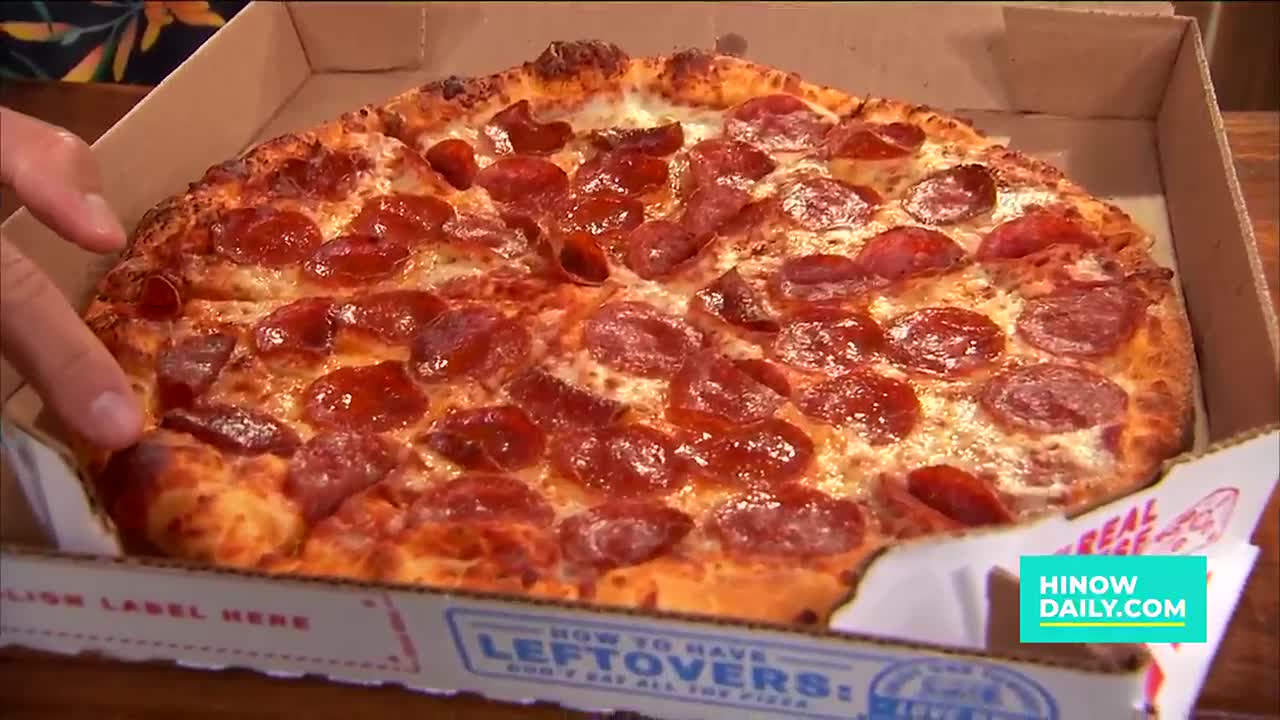
The hallmark of a traditional New York-style pizza is its architecture: a wide, thin crust that is pliable enough to be folded in half without snapping, yet firm enough to hold a moderate amount of sauce and cheese. When Domino’s introduced its version of this style, it aimed to replicate these physical properties while maintaining the operational consistency required for a global franchise.
The Dough and the Fold
Unlike the pan-style pizzas often associated with quick-service chains, the New York-style crust is stretched thin. It is typically crafted from high-gluten flour, which allows for a crisp exterior and a chewy interior. In the context of a commercial kitchen, achieving the “fold” is paramount. If the dough is too thick, it becomes bread-like; if it is too thin, it cannot support the weight of the toppings. The chain’s iteration focuses on a hand-stretched technique that yields a larger diameter compared to their standard hand-tossed menu items.
The Sauce and Cheese Ratio
A classic slice found in Manhattan or Brooklyn is defined by a balanced landscape. The sauce is typically a modest layer of seasoned tomato, not overly sweet or acidic, acting as a canvas for the cheese. The cheese, traditionally low-moisture mozzarella, is applied with enough coverage to create a cohesive sheet that stretches when pulled. By moving toward a larger, thinner format, the chain creates a higher surface-area-to-crust ratio, mimicking the experience of grabbing a slice from a corner shop in Queens.
Culinary Traditions and Regional Influence
New York-style pizza is not merely a recipe; it is a manifestation of the immigrant influence that shaped the culinary identity of New York. When the first pizzerias opened in the early 20th century, the goal was to provide an affordable, portable meal for the working class.
From Street Food to Global Standard
The concept of “grab-and-go” was born out of necessity in the fast-paced environment of New York City. As New York became a global travel hub, the pizza slice became one of the most recognizable symbols of the city’s culture. Travelers from Europe, Asia, and across North America flocked to iconic spots to experience the thin-crust phenomenon.
By diversifying their menu to include a “New York Style” option, large-scale pizza makers are acknowledging the enduring popularity of this regional staple. It represents a bridge between the hyper-local artisanal shops that define the East Coast and the standardized expectations of modern food technology. Whether one is visiting Times Square or ordering from a suburban neighborhood, the name itself promises a specific texture and eating experience that has been exported globally.

The Engineering of Convenience
For a traveler or a busy resident, the appeal of this style lies in its utility. The large slices are designed to be eaten by hand, making them the ultimate convenience food.
Crust Innovation
The challenge for any major chain is maintaining the integrity of the crust during delivery. The “New York Style” at Domino’s features a unique flour blend and a shorter proofing time compared to their other doughs. This ensures that the base remains structurally sound even as it travels, preventing the dreaded “soggy bottom” that often plagues thinner crusts. By adjusting the hydration levels of the dough, the kitchens ensure that the pizza remains foldable, a crucial metric for fans of the authentic style.
The Importance of Portability
When eating in a place like Chicago, where deep-dish pizza is the regional authority, the New York slice serves as a distinct alternative. It is an “on-the-go” meal, whereas deep-dish is often a sit-down, knife-and-fork affair. The rise of these styles in national chains reflects a broader trend in how food is consumed; it is increasingly about accessibility, speed, and the ability to consume a meal while walking through a city like Philadelphia or Boston.
Cultural Impact and Consumer Expectations
The decision of a massive franchise to label a product “New York Style” sets a high bar. It invites comparison to the legendary wood-fired and coal-fired ovens of the Northeast. While connoisseurs may argue that the industrial process can never replace the charm of a 100-year-old oven in Little Italy, the influence on consumer expectations is undeniable.
Defining the Experience
To many, the New York experience is defined by the contrast between the crispy edges and the soft, slightly oily center of the slice. By offering this, Domino’s provides a standardized version of this experience. It allows someone living in Los Angeles or Miami to access a approximation of the East Coast dining style without the need for air travel.
Evolution of the Menu
The menu evolution toward specific regional styles is a testament to the sophistication of the modern palate. Consumers are no longer satisfied with a singular “pizza” category. They want to distinguish between thin-crust, pan-crust, and the specific nuances of the New York slice. This classification helps in managing expectations—when a customer orders this style, they are explicitly signaling that they want something thin, foldable, and light.
Final Thoughts on the Fold
In the landscape of modern tourism and local culinary exploration, the New York-style pizza remains a cultural touchstone. Whether you are walking through the streets of Washington D.C. or checking into a hotel in Las Vegas, the presence of this style on a menu is a nod to the city that made it famous.
While the debate over what constitutes the “authentic” slice will continue as long as pizzerias exist in Italy and beyond, the version offered by Domino’s serves as a functional, accessible interpretation. It captures the essential elements—the thin crust, the foldable slice, and the simplicity of the toppings—that made this style a global phenomenon. For many, it is the most reliable way to enjoy a taste of New York regardless of geography, proving that even in a world of high-tech fast food, the timeless appeal of a foldable slice of pizza remains unmatched.
LifeOutOfTheBox is a participant in the Amazon Services LLC Associates Program, an affiliate advertising program designed to provide a means for sites to earn advertising fees by advertising and linking to Amazon.com. Amazon, the Amazon logo, AmazonSupply, and the AmazonSupply logo are trademarks of Amazon.com, Inc. or its affiliates. As an Amazon Associate we earn affiliate commissions from qualifying purchases.