
For decades, the bustling streets of New York City have been defined by the rhythmic honking of yellow taxis, the gridlock of delivery trucks, and the sheer density of millions of commuters navigating the urban labyrinth. As one of the most visited destinations on the planet, the city faces a persistent challenge: how to balance the influx of tourism with the functional reality of daily transit. To address this, local authorities have proposed and developed a landmark initiative known as congestion pricing. This policy, a first-of-its-kind program in the United States, represents a fundamental shift in how visitors and residents alike will experience the metropolitan landscape.

Understanding the Mechanics of the Program
At its core, congestion pricing is a demand-management strategy designed to reduce traffic volume in the most densely populated sectors of Manhattan. By implementing a tolling zone, the city aims to incentivize more sustainable travel habits and alleviate the environmental and economic costs associated with constant gridlock.
The Tolling Zone
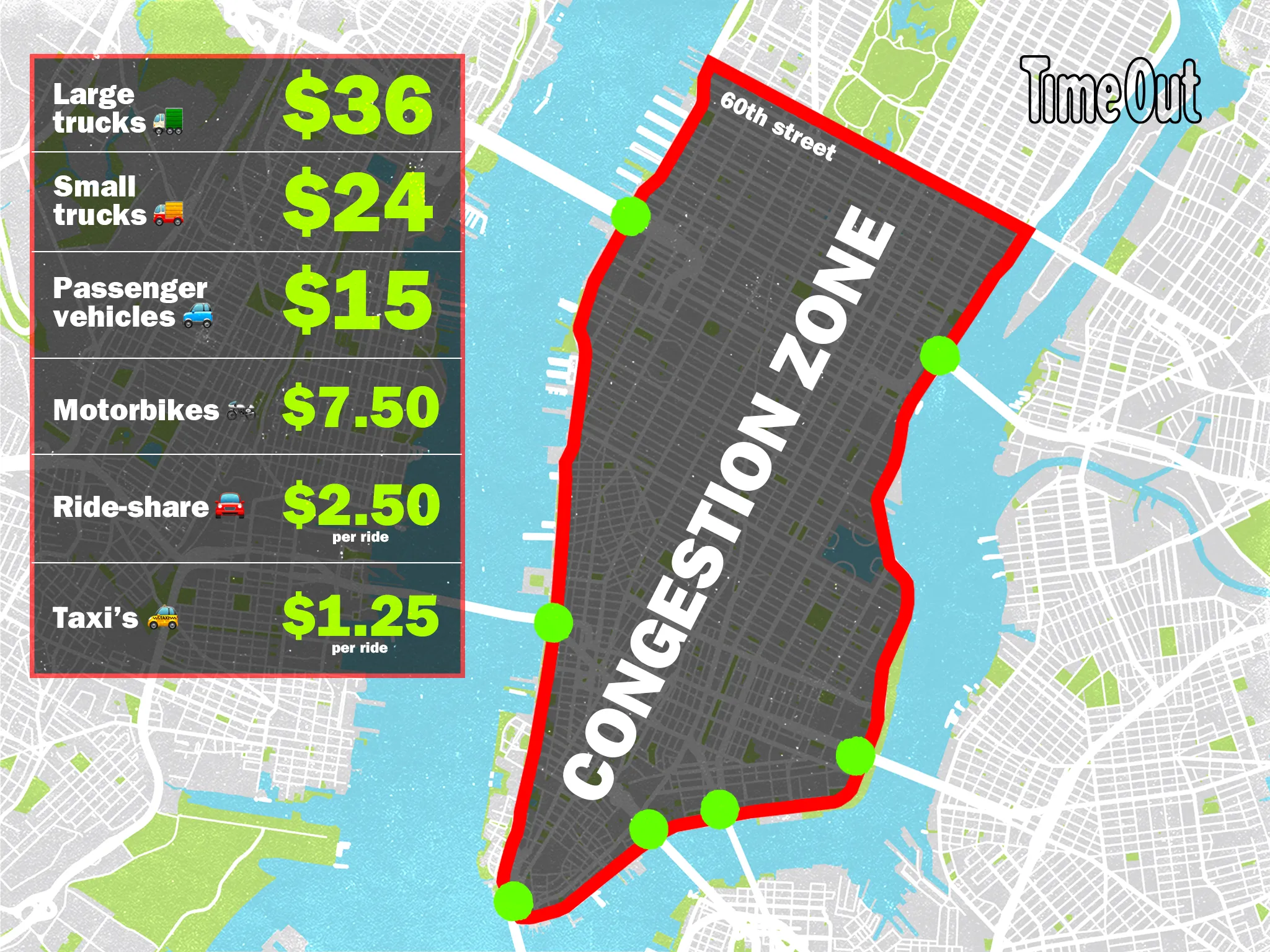
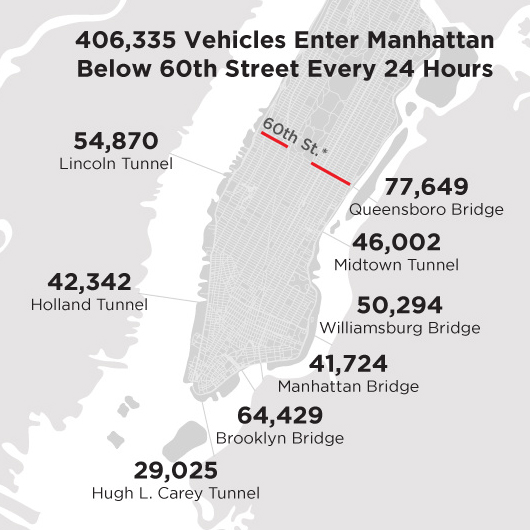
The designated area for this initiative primarily encompasses the central business district south of 60th Street. For those traveling by car to iconic areas like Times Square, Broadway, or the Financial District, the implications are significant. Drivers entering this zone during peak hours will be subject to a variable toll, monitored through advanced electronic gantries and sensor technology.
The Purpose of the Toll
The primary objective of the program is not merely to collect revenue, but to improve air quality and the efficiency of public transit. By reducing the number of non-essential private vehicles, the city hopes to clear the way for buses, emergency vehicles, and essential logistics. For the tourism sector, this means a shift in how guests plan their arrivals. Rather than relying on ride-share services or rental cars to traverse the Midtown area, visitors are encouraged to utilize the robust MTA subway system, which provides direct access to landmarks like the Empire State Building and Grand Central Terminal.
Implications for Travelers and Tourists
For those planning a trip to New York, the transition to congestion pricing requires a recalibration of travel expectations. While the policy primarily affects those driving personal or for-hire vehicles, the ripple effects will be felt across the entire hospitality ecosystem.
Rethinking Transportation Strategies
Tourists often assume that renting a car provides the most freedom when exploring a sprawling metropolis. However, in a city with limited parking and high costs, the car has historically been a burden rather than an asset. With the introduction of the new tolling structure, the cost-benefit analysis shifts heavily in favor of public transit. Visitors staying at properties in Lower Manhattan or near Central Park will find that walking or utilizing the subway is not only faster but now significantly more economical than paying daily congestion fees.
Economic Benefits to City Infrastructure
A central pillar of the legislation is that the revenue generated will be reinvested into the city’s transit infrastructure. This is a vital development for tourism. Improved subway reliability, cleaner stations, and better bus service directly benefit international and domestic guests. When the transit network functions seamlessly, it allows tourists to venture further into the boroughs—such as visiting the Brooklyn Bridge or exploring the culinary scenes in Queens—without the stress of navigating vehicular traffic.
Environmental and Social Impact on the City
Beyond the logistical shift, congestion pricing represents a broader movement toward a more livable and breathable urban environment. Cities worldwide, from London to Stockholm, have successfully utilized similar models to reclaim the streetscape for pedestrians.
Enhancing the Pedestrian Experience
For the average visitor, the true magic of New York is found at the street level. It is the ability to walk from Fifth Avenue into Rockefeller Center or to stroll along the High Line without being stifled by exhaust and noise pollution. Reducing vehicular presence allows for wider sidewalks, more outdoor dining spaces, and a more pleasant atmosphere for sightseeing. When the streets are quieter and cleaner, the city becomes a more inviting destination for families and leisure travelers.
A Model for Modern Urbanism
As other major hubs like San Francisco or Chicago watch the implementation of this policy, New York is effectively setting a new standard for American urbanism. It reinforces the idea that the most iconic cities are those that prioritize the movement of people over the movement of machines. For the tourism industry, this signifies a move toward “slower” and more intentional travel. Instead of spending hours trapped in a taxi between the Statue of Liberty and the Museum of Modern Art, visitors are invited to engage with the city’s neighborhoods in a more immersive, localized fashion.
Planning Your Visit Under New Regulations
If you are currently planning a journey to this iconic city, it is essential to stay informed about how these regulations might influence your itinerary.
Best Practices for Visitors
- Prioritize Transit: Utilize the Subway or Metro-North trains. They are the most efficient way to navigate the city.
- Choose Accommodations Wisely: Stay in neighborhoods with high walkability scores. Proximity to subway lines will save you time and eliminate the need for taxis or ride-shares altogether.
- Research Parking: If you absolutely must drive, check if your hotel provides specific parking arrangements that account for the congestion zone. Many high-end hotels near Park Avenue may have updated policies to help guests manage these new costs.
- Use Official Apps: Keep updated with the official city transit apps to track delays or changes in traffic patterns.
The Future of the Urban Landscape
As New York continues to evolve, the congestion pricing initiative serves as a reminder that the city is not a static museum, but a living, breathing entity that adapts to the needs of its inhabitants and guests. By curbing the overwhelming number of vehicles in the city center, officials are ensuring that the vibrancy of the streets remains intact for generations to come.
Whether you are here for the world-class theater, the diverse cuisine, or the historic architecture, the city remains the ultimate destination for those seeking a profound urban experience. Embracing these changes not only supports the city’s long-term sustainability but also enhances the overall quality of your visit. By trading gridlock for accessibility, New York is ensuring that it remains a global capital of culture, energy, and opportunity. As we look forward, the success of this program will likely be measured by the increased ease with which we can all enjoy the sights, sounds, and spirit of the world’s most exciting city.
LifeOutOfTheBox is a participant in the Amazon Services LLC Associates Program, an affiliate advertising program designed to provide a means for sites to earn advertising fees by advertising and linking to Amazon.com. Amazon, the Amazon logo, AmazonSupply, and the AmazonSupply logo are trademarks of Amazon.com, Inc. or its affiliates. As an Amazon Associate we earn affiliate commissions from qualifying purchases.