
Planning a journey from the bustling concrete canyons of New York City to the thunderous majesty of Niagara Falls is a classic American adventure. Spanning roughly 400 miles, this trip takes you from the world’s most famous metropolis through the rolling hills and charming small towns of Upstate New York. Whether you are seeking efficiency, scenic beauty, or a budget-friendly route, understanding your transit options is the first step toward experiencing one of the world’s most breathtaking natural wonders.
Navigating by Air: The Efficiency Choice
For travelers who prefer to maximize their time at the destination rather than on the road, flying remains the most efficient method of travel. Several major airports facilitate this route, making it a viable option for those on a tight schedule.

Selecting Your Arrival Point
The primary gateway for visitors is the Buffalo Niagara International Airport. This airport is strategically positioned just a short drive from the falls themselves. Most major carriers provide direct, one-hour flights from John F. Kennedy International Airport or LaGuardia Airport. Upon arrival, you can easily secure a rental car, take an airport shuttle, or utilize a ride-sharing service to reach the border town in under 30 minutes.
Seamless Transfers
Once you land in Buffalo, the final leg of your journey is straightforward. Many visitors choose to book pre-arranged transport, especially if they are traveling with family or heavy luggage. The proximity of the airport to Niagara Falls State Park ensures that even after a quick flight, you will be standing in view of the mist within a couple of hours.
Embarking on a Scenic Rail Journey
Traveling by train offers a distinct charm that captures the spirit of classic American travel. The Amtrak network provides a reliable and relaxing route from New York Penn Station to the Niagara Falls Amtrak Station.
The Maple Leaf Route
The Maple Leaf line is particularly notable for its scenic beauty. As the train travels through the Hudson Valley and across the heart of the state, passengers are treated to panoramic views that change with the seasons. From the vibrant autumnal hues of the foliage to the pristine winter snowscapes, the journey is an attraction in itself.
Comfort and Convenience
Unlike navigating highway traffic, rail travel allows you to stretch your legs, enjoy a meal in the café car, and catch up on reading or work while the landscape shifts outside your window. The journey typically takes between eight and nine hours. While longer than a flight, the stress-free environment and the ability to arrive directly in the heart of the city make it a favorite for those who view travel as an integral part of the experience rather than just a necessity.

The Freedom of the Open Road
Driving from New York City to Niagara Falls offers unparalleled flexibility. With your own vehicle, you can determine your pace, stop at hidden gems along the route, and customize your itinerary to include nearby attractions.
Plotting Your Course
The most direct driving route takes you north via Interstate 87 and Interstate 90, also known as the New York State Thruway. This route is well-maintained and traverses some of the most historic parts of the state. It is a drive of roughly seven to eight hours, depending on traffic levels leaving the metropolitan area and your speed.
Making the Most of Stops
Driving allows for a curated road trip experience. Consider incorporating stops in vibrant cities such as Albany or Syracuse. These cities offer unique local culture and culinary delights that break up the long hours on the road. Furthermore, having a car once you arrive at the falls is highly advantageous. While the central viewing areas are pedestrian-friendly, having a vehicle allows you to easily explore the Niagara Wine Trail or visit the nearby historic village of Lewiston.
Essential Tips for a Smooth Trip
Regardless of your chosen mode of transportation, there are several key factors to keep in mind to ensure your visit is as seamless as possible.
Crossing the Border
If your plans include crossing into Canada to view the falls from the Ontario side, ensure you have your passport or an enhanced driver’s license ready. The Rainbow Bridge connects both sides of the falls, and the border crossing process is generally efficient, though it can fluctuate during peak tourist seasons or holiday weekends.
Seasonal Planning
The timing of your trip significantly influences your experience.
- Summer: The peak season for tourism. Expect large crowds, humid weather, and the full operation of all attractions, including the famous Maid of the Mist.
- Autumn: Generally considered the ideal time to visit, with fewer crowds, cool, crisp weather, and the spectacular scenery of the changing leaves.
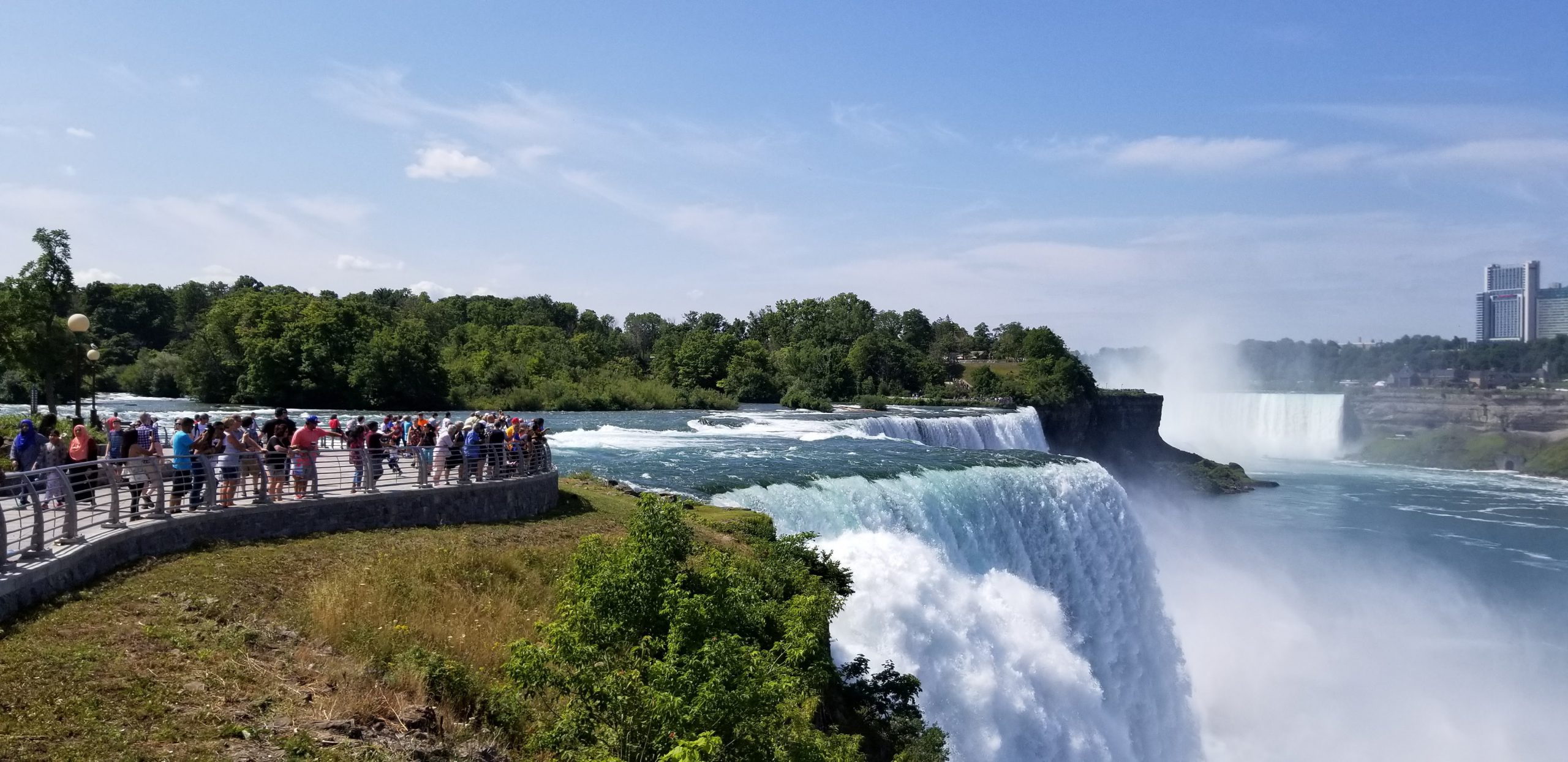
- Winter: A unique, albeit cold, experience. Seeing the mist freeze on the surrounding flora, creating an “ice sculpture” effect around the American Falls and Bridal Veil Falls, is a photographer’s dream.
Accommodation Strategies
Whether you stay on the United States side or cross over to view the skyline from the Canadian side, booking in advance is essential. Prices for hotels fluctuate based on proximity to the water; those looking for iconic views should book rooms with a “falls view” designation several months ahead of their arrival. Researching the specific neighborhood vibes—ranging from the quiet, state-park-adjacent areas to the busier, casino-centric districts—will help you find the perfect home base for your adventure.
By taking the time to weigh your options between flying, taking the train, or driving, you can ensure that the journey to Niagara Falls is just as enjoyable as the awe-inspiring destination itself.
LifeOutOfTheBox is a participant in the Amazon Services LLC Associates Program, an affiliate advertising program designed to provide a means for sites to earn advertising fees by advertising and linking to Amazon.com. Amazon, the Amazon logo, AmazonSupply, and the AmazonSupply logo are trademarks of Amazon.com, Inc. or its affiliates. As an Amazon Associate we earn affiliate commissions from qualifying purchases.