
For anyone traversing the culinary landscapes of the United States, few items represent the quintessential dining experience quite like the New York Strip. Often hailed as the “king of steaks,” this particular cut is a hallmark of high-end steakhouses from Manhattan to Los Angeles. Understanding what defines this cut—and what separates it from its peers—is essential for any traveler or food enthusiast looking to master the art of dining out.
The Anatomy of the New York Strip
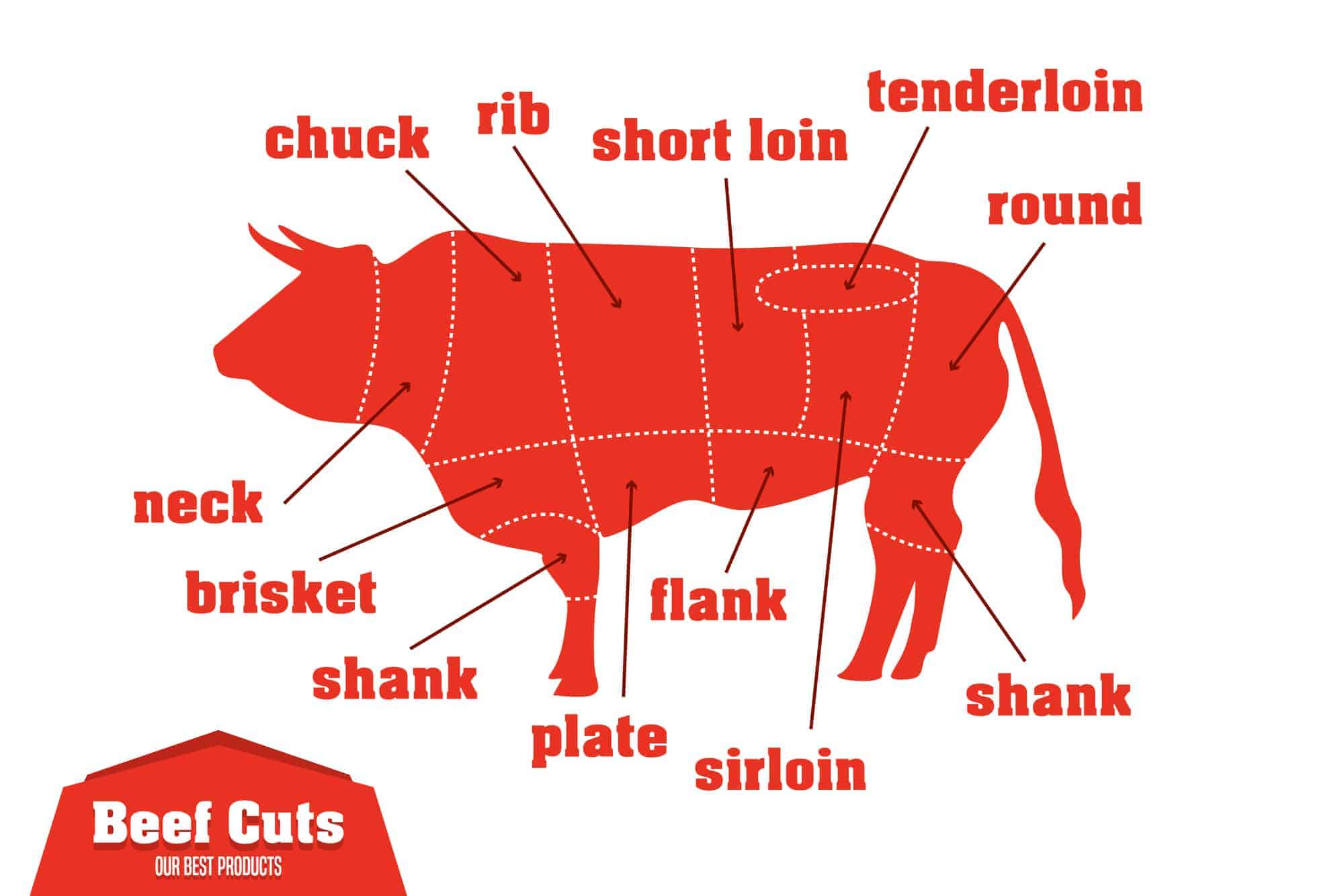
To appreciate the New York Strip, one must first look at the biology of the cow. The steak is harvested from the short loin, specifically the longissimus dorsi muscle. This section of the animal does very little work, which is the primary reason the meat remains exceptionally tender compared to cuts from the shoulder or leg.
The Defining Characteristics
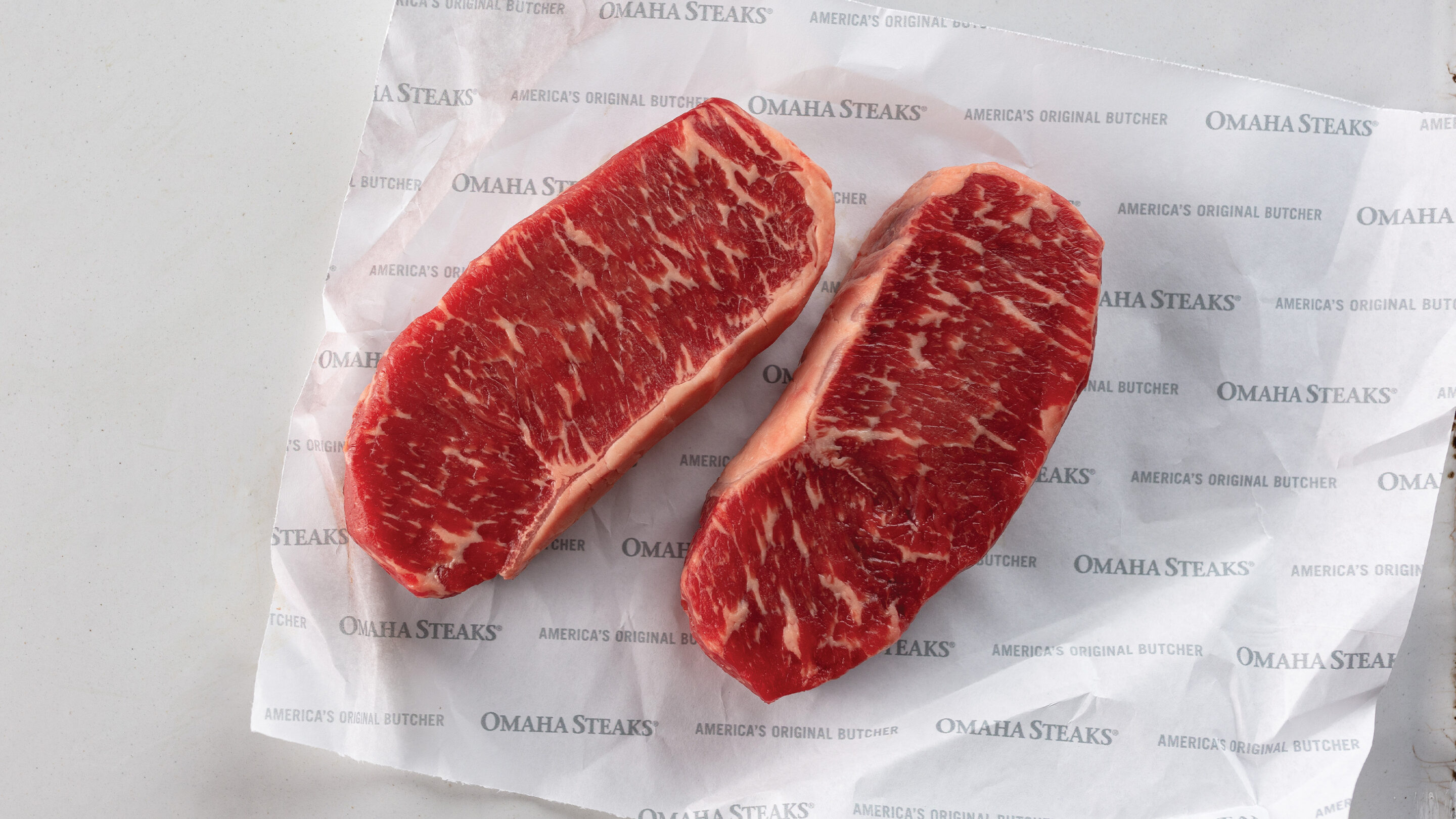
Unlike the Ribeye, which is renowned for its intense, web-like marbling and fatty core, the New York Strip is more focused and lean. It typically features a firm texture with a concentrated beefy flavor. A hallmark of a high-quality strip is the presence of a “fat cap”—a thin, savory strip of fat running along one side of the steak. This layer is crucial; as it renders during the cooking process, it bastes the meat, ensuring that the final result is juicy and flavorful without being overly greasy.
Origin and Nomenclature
The name itself is deeply rooted in New York City culture. While the exact history is debated, most food historians point to the famous Delmonico’s Restaurant in Lower Manhattan. In the 19th century, this establishment served a signature cut that became known as the “Delmonico Steak.” Eventually, the cut became synonymous with the city itself, earning the moniker “New York Strip.” Whether you are dining at a historic institution in Chicago or a modern bistro in Miami, the name remains a testament to the influence of the American dining scene.
Selecting the Perfect Cut: What to Look For
When you are ordering or shopping for a New York Strip, not all pieces are created equal. As a traveler navigating menus in Las Vegas or Dallas, you should look for specific visual cues that indicate quality.
Assessing Marbling
Marbling refers to the flecks of intramuscular fat that appear as white streaks within the red muscle tissue. When heat is applied, these flecks melt, providing moisture and a rich, buttery depth of flavor. Look for an even distribution of fine white specks throughout the steak. In the United States Department of Agriculture grading system, “Prime” beef will feature the highest degree of marbling, followed by “Choice” and “Select.”

The Importance of Color and Texture
The meat should have a vibrant, cherry-red hue. Avoid any pieces that appear dark, grayish, or brown, as these signs may indicate that the meat is past its prime. Furthermore, the texture should feel firm to the touch; if the meat feels overly soft or mushy, it lacks the structural integrity required for a perfect sear. Finally, ensure the fat cap is firm and creamy white, not yellow or grayish, as this indicates a healthy, high-quality animal.
Culinary Preparation and Serving Traditions
The New York Strip is remarkably versatile, but it is most commonly associated with high-heat cooking methods that emphasize the contrast between a charred exterior and a succulent interior.
The Art of the Sear
In the finest kitchens across New Orleans or San Francisco, chefs prefer to cook the New York Strip on a high-temperature grill or in a heavy cast-iron skillet. The goal is to achieve the Maillard reaction—a chemical process that occurs when proteins and sugars in the meat are subjected to high heat, resulting in a dark, flavorful crust.
- Preparation: Always bring the steak to room temperature before cooking. This ensures an even cook from edge to center.
- Seasoning: A simple rub of kosher salt and cracked black pepper is often all that is required to allow the natural flavor of the beef to shine.
- Resting: Perhaps the most overlooked step in the process. After taking the steak off the heat, it must rest for at least five to ten minutes. This allows the internal juices to redistribute throughout the meat, preventing them from spilling out onto the plate the moment you cut into the steak.
Classic Accompaniments
In the traditional North American steakhouse experience, the New York Strip is rarely served alone. Common side dishes include creamed spinach, garlic-mashed potatoes, or roasted asparagus. The robust, slightly savory nature of the strip pairs beautifully with bold red wines, such as a Cabernet Sauvignon from Napa Valley. Many enthusiasts also enjoy finishing the steak with a compound butter, such as maître d’hôtel butter, which features parsley, lemon, and garlic, to add a bright, acidic note to the richness of the beef.
The New York Strip in Global Gastronomy
While the term “New York Strip” is distinctly American, the popularity of this specific cut has transcended borders. You will find similar cuts in global culinary hubs, though they may go by different names. In Australia and the United Kingdom, the cut is frequently referred to as a “striploin” or “sirloin” (though one must be careful, as “sirloin” in the United States refers to an entirely different part of the animal).
Why Travelers Seek It Out
For many, seeking out the perfect steak is a primary objective of their travel itinerary. Whether visiting Seattle for its proximity to Pacific Northwest cattle or Boston for its storied culinary heritage, ordering a New York Strip is an act of cultural immersion. It is a dish that demands attention and appreciation, serving as a reliable benchmark for the quality of the kitchen.
Understanding the nuance of the New York Strip—from the way the animal is raised to the way the crust is formed—adds an extra layer of enjoyment to every bite. It is not just about hunger; it is about recognizing the craftsmanship that goes into a piece of beef. Whether you find yourself in a dimly lit booth in Philadelphia or at a vibrant grill house in Denver, knowing exactly what you are ordering ensures you get the full, luxurious experience of one of the world’s most iconic cuts of meat. As you continue your travels, treat your palate to the consistency and excellence that only the New York Strip can provide.
LifeOutOfTheBox is a participant in the Amazon Services LLC Associates Program, an affiliate advertising program designed to provide a means for sites to earn advertising fees by advertising and linking to Amazon.com. Amazon, the Amazon logo, AmazonSupply, and the AmazonSupply logo are trademarks of Amazon.com, Inc. or its affiliates. As an Amazon Associate we earn affiliate commissions from qualifying purchases.