
For professionals considering a move to the Empire State, understanding the intersection of local culture, professional life, and the cost of living is essential. While the primary focus often turns to the financial compensation of educators, the reality of living in New York is deeply tied to the lifestyle, regional variations, and the unique cultural fabric that defines this massive state. Whether you are teaching in the bustling corridors of New York City or the quiet, scenic districts of the Hudson Valley, your salary is only one part of the experience of living and working in this iconic destination.

The Financial Landscape of Education in New York
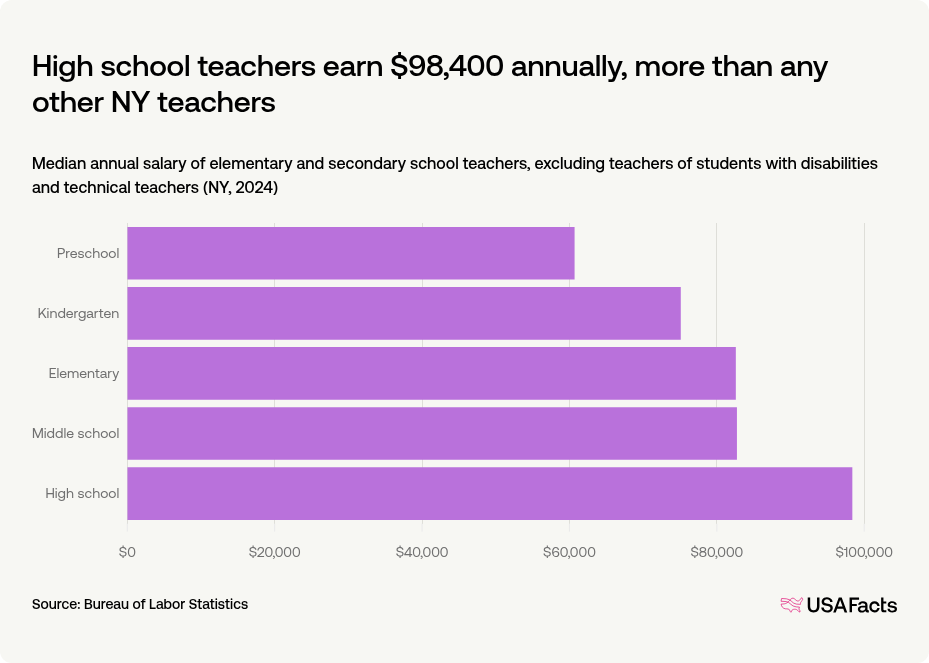
Teaching in New York State offers a compensation package that is often among the highest in the United States. However, these figures are not monolithic. They vary significantly depending on the district, the educator’s years of experience, and their educational attainment.
Salary Tiers and Geographic Variance
In Manhattan and the surrounding boroughs, salary scales are dictated by the New York City Department of Education, which maintains one of the largest and most structured salary schedules in the country. New teachers typically start with a base salary that accounts for a bachelor’s or master’s degree. As teachers gain tenure and complete additional credits, these salaries rise predictably.
Conversely, teachers in Upstate New York often see lower nominal salaries compared to their counterparts in Long Island or Westchester County. Yet, the “value” of that salary is often higher due to the significantly lower cost of housing and daily expenses. Understanding the localized salary data requires looking beyond the raw numbers and considering the purchasing power within specific regions like Buffalo, Rochester, or Syracuse.
Benefits and Pension Contributions
Beyond the annual gross salary, the teaching profession in New York is bolstered by a robust benefits package. The New York State Teachers Retirement System is a primary draw for long-term career planning. When calculating “how much” a teacher makes, one must account for the defined-benefit pension, health insurance premiums, and the generous holiday schedules that allow for travel and exploration of local landmarks. These auxiliary perks form a substantial part of the total compensation package that often goes overlooked in standard salary reports.
Balancing Salary with the Cost of Lifestyle
Living in New York is a quintessential experience, but it requires a strategic approach to budgeting. Whether you are living in an apartment near Central Park or a house in the Finger Lakes region, your income must sustain the unique lifestyle that the state demands.
Rent, Commuting, and Local Expenses
In metropolitan areas like Brooklyn or Queens, a significant portion of an educator’s take-home pay is directed toward housing. To maintain a comfortable lifestyle, many teachers look for districts that offer strong contractual support while living in neighborhoods that balance rent affordability with access to transit, museums, and local food scenes.
For those in more rural or suburban districts, the lifestyle shift involves more reliance on a personal vehicle, which adds different costs to the monthly budget. However, the proximity to natural wonders like the Adirondack Mountains or the Catskill Mountains offers a recreational value that is hard to put a price tag on. The trade-off between the high-octane urban energy of Times Square and the serene tranquility of the St. Lawrence River is a recurring theme for professionals evaluating their career satisfaction.
Dining, Culture, and Social Integration
A large part of the “New York experience” is the access to world-class culture. From the legendary theater scene on Broadway to the diverse culinary delights found in Flushing or Astoria, the state provides endless opportunities for enrichment. Educators who manage their salaries effectively find that they can participate fully in these local cultural activities. Many local museums, such as the Metropolitan Museum of Art, offer educator discounts or free admission, allowing teachers to integrate their professional lives with their personal passions for history and art.
Regional Comparisons: Where Should You Teach?
Choosing where to teach in New York is as much a lifestyle decision as it is a financial one. Each region offers a different set of challenges and rewards.
Urban Centers vs. Suburban Enclaves
- New York City: Offers the highest concentration of cultural experiences, vibrant nightlife, and career advancement opportunities. The salary is high, but the competition for housing is fierce.
- Westchester County: Often features some of the highest-paying school districts in the state, catering to those who want suburban comfort with easy rail access to the city.
- Long Island: Known for its proximity to the Atlantic Ocean and high tax bases that support lucrative teacher salary structures.
The Appeal of Upstate and Western New York
The cost of living in cities like Albany or Ithaca is drastically lower than in the downstate region. Educators here often enjoy a higher quality of life, including larger homes and less time spent commuting. The integration into the local community—frequenting Farmers Markets or visiting local state parks—becomes a more accessible reality for those on a standard teacher’s salary.
Maximizing the Educator Experience in New York
Regardless of the specific salary, the career of an educator in New York is highly regarded. To get the most out of your tenure in the state, it is important to look beyond the paycheck.
Leveraging Professional Development
Many districts provide funding for continued education, enabling teachers to reach the top salary lanes faster. Engaging with the educational community in Albany or attending state-wide conferences allows educators to build networks that span from Lake Erie to the tip of Long Island.
Integrating Work and Travel
One of the distinct advantages of being a teacher in the Empire State is the seasonal structure. The school calendar provides ample opportunities to explore the state’s diverse offerings. From the wine regions of the Finger Lakes in the autumn to the snowy slopes of the Catskills in the winter, the ability to travel and enjoy the local scenery is a “hidden” benefit of the profession.

Final Thoughts on Compensation
Ultimately, the answer to how much teachers make in New York is a complex calculation. It involves base pay, geographic location, cost of living, and the incredible, multifaceted lifestyle afforded by living in one of the most culturally significant regions in the world. By balancing these factors, educators can build not only a sustainable career but a rich, rewarding life within this dynamic state.
LifeOutOfTheBox is a participant in the Amazon Services LLC Associates Program, an affiliate advertising program designed to provide a means for sites to earn advertising fees by advertising and linking to Amazon.com. Amazon, the Amazon logo, AmazonSupply, and the AmazonSupply logo are trademarks of Amazon.com, Inc. or its affiliates. As an Amazon Associate we earn affiliate commissions from qualifying purchases.