
For those considering a move to the bustling streets of New York, understanding the fiscal landscape is as critical as choosing the right neighborhood. While the city is world-renowned for its high-octane lifestyle, cultural landmarks like the Empire State Building, and the sprawling Central Park, the financial logistics—specifically the income tax rates—are a multi-layered puzzle. When you earn a paycheck in the “Empire State,” you are likely subject to a combination of federal, state, and, if you reside within the five boroughs, city-specific taxes.
Understanding the New York State Income Tax Structure
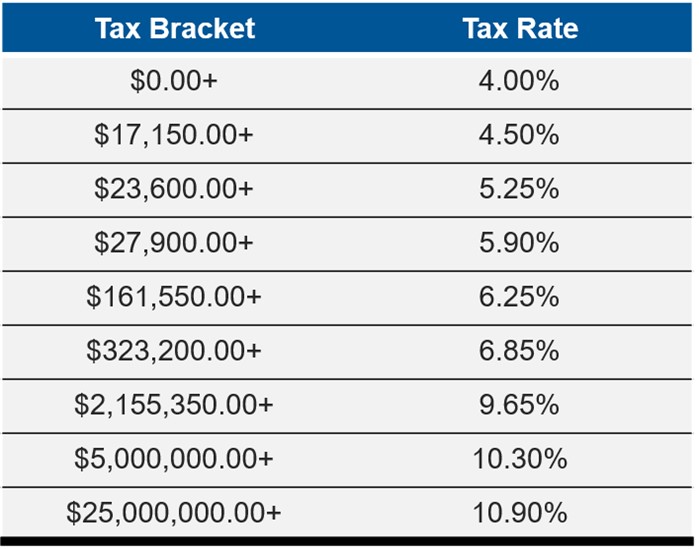
New York State employs a progressive income tax system, meaning that as your income rises, so does the percentage of tax you pay on those additional dollars. The tax brackets are periodically adjusted for inflation, but they generally reflect the state’s commitment to funding public services, infrastructure, and the extensive transit network managed by the Metropolitan Transportation Authority.
The Progressive Bracket System
State income tax rates in New York typically range from 4% to 10.9%. For the majority of taxpayers, the rates start at 4% for lower income brackets and scale upward. High earners face the top marginal rates, which are among the highest in the United States. It is essential to look at your taxable income—after deductions—rather than your gross salary to determine where you fall on this sliding scale.
Deductions and Exemptions
Much like federal tax filings, New York State allows for various deductions and exemptions that can reduce your overall tax burden. These include the standard deduction, which varies depending on your filing status, and itemized deductions if they exceed the standard amount. Understanding these nuances is vital for anyone planning a long-term relocation to major hubs like Manhattan or Brooklyn.
The Local Impact: New York City Personal Income Tax
One of the unique aspects of living in New York City is the additional local income tax. If you maintain a domicile within the city limits, you are subject to an extra layer of taxation that residents of other parts of the state do not pay.
Who Is Subject to NYC Tax?
The local tax applies to all full-year residents of the five boroughs: The Bronx, Brooklyn, Manhattan, Queens, and Staten Island. If you work in the city but reside in New Jersey, Connecticut, or elsewhere in New York State outside the city limits, you generally do not pay this specific city income tax.

Calculating the City Surcharge
The city tax is also progressive, typically ranging from approximately 3.078% to 3.876%. When you combine this with the state rate, residents of New York City often face an effective tax rate that is significantly higher than that of residents in neighboring suburbs or other states. This revenue is earmarked for municipal services, including the maintenance of iconic public spaces like High Line Park and the operational costs of city agencies.
Planning for Your Relocation: Financial Considerations
For those relocating for a career opportunity or seeking to immerse themselves in the local culture, such as the vibrant arts scene at The Metropolitan Museum of Art or the theatrical energy of Broadway, financial planning must be a priority. The allure of the city is undeniable, but it comes with a premium.
Factoring Tax into Your Cost of Living
When negotiating a salary or planning your budget, it is critical to perform a “net-take-home” analysis. Many professionals moving to the city for the first time find that a higher base salary is necessary to maintain a comparable standard of living once local and state taxes are withheld. Calculating your take-home pay after accounting for the city tax ensures you can afford the lifestyle you envision, whether you are staying in a luxury high-rise near Times Square or a charming brownstone in Park Slope.
Working Remotely and Tax Nexus
The rise of remote work has introduced new complexities to tax residency. If you are living in New York while working for a company based in another part of the country, you are still considered a resident for tax purposes. Conversely, if your employer is based in New York City but you live elsewhere, you may still be subject to the “convenience of the employer” rule, which can sometimes lead to double-taxation scenarios unless proper credits are applied. Consulting with a tax professional who specializes in multi-state taxation is highly recommended for those with complex employment arrangements.
Summary of Fiscal Expectations
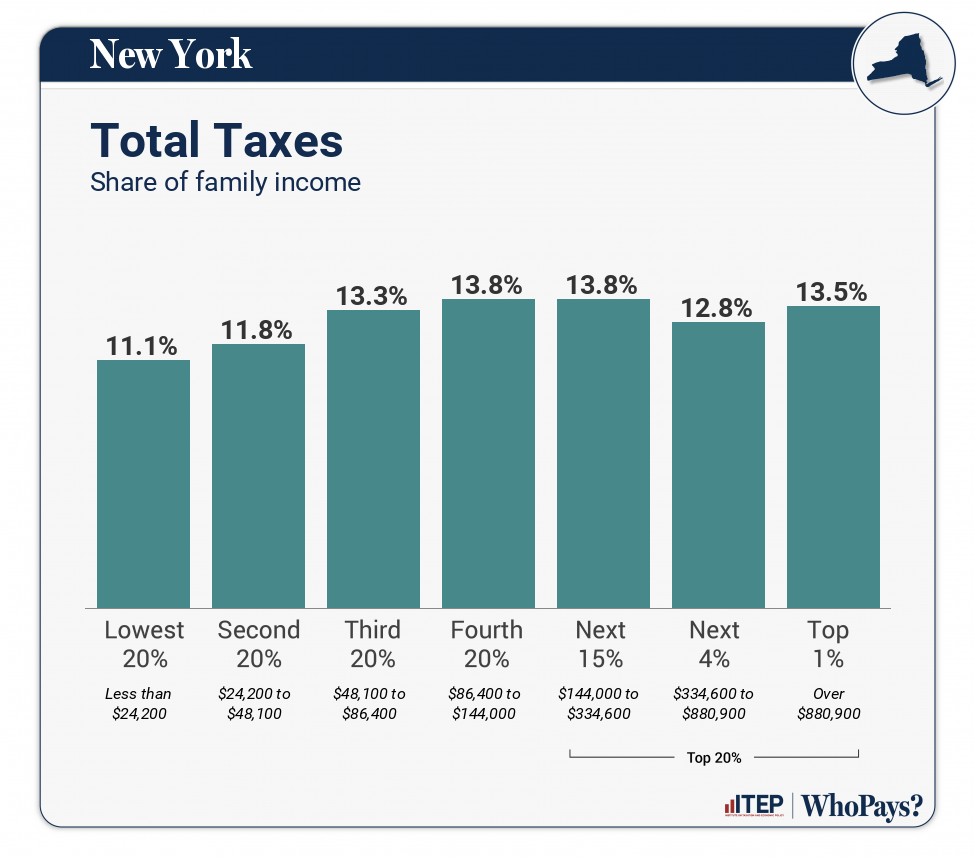
Navigating the tax landscape of the most famous city in the world requires diligence. While the rates may seem daunting at first glance, they are the byproduct of the massive investment required to sustain the unique urban environment of New York City. From the impeccably maintained Grand Central Terminal to the world-class safety and sanitation services that allow millions of residents and tourists to thrive, your tax dollars are the fuel for the city’s endless engine.
For those planning their move, keep these takeaways in mind:
- Progressive Rates: Understand that your tax rate increases as your income levels rise.
- The City Tax: Account for the distinct 3% to 3.8% tax surcharge if you reside within the five boroughs.
- Residency Matters: Your precise physical address determines your tax liability.
- Deductions: Research state-specific credits and deductions that might offset your liability.
Whether you are here for the world-class shopping at Fifth Avenue, the culinary diversity of Chinatown, or simply to advance your career in the financial capital of the United States, staying informed on your tax obligations is the smartest way to ensure your time in New York is both productive and enjoyable. By managing your financial house as effectively as you manage your career, you can fully embrace all the opportunities this incredible metropolis has to offer.
LifeOutOfTheBox is a participant in the Amazon Services LLC Associates Program, an affiliate advertising program designed to provide a means for sites to earn advertising fees by advertising and linking to Amazon.com. Amazon, the Amazon logo, AmazonSupply, and the AmazonSupply logo are trademarks of Amazon.com, Inc. or its affiliates. As an Amazon Associate we earn affiliate commissions from qualifying purchases.