
When planning a getaway, modern travelers increasingly refuse to leave their four-legged family members behind. The rise of pet-inclusive travel has transformed how lodging properties operate, shifting the hospitality landscape significantly. However, seeing a paw-print icon on a booking website can sometimes lead to confusion upon arrival. What does “pet friendly” actually mean in the context of the modern hospitality industry? Far beyond simply allowing animals to cross the threshold, true pet-friendly accommodations encompass a comprehensive ecosystem of guest policies, specialized room amenities, health and safety standards, and behavioral expectations designed to ensure a comfortable stay for humans and animals alike.
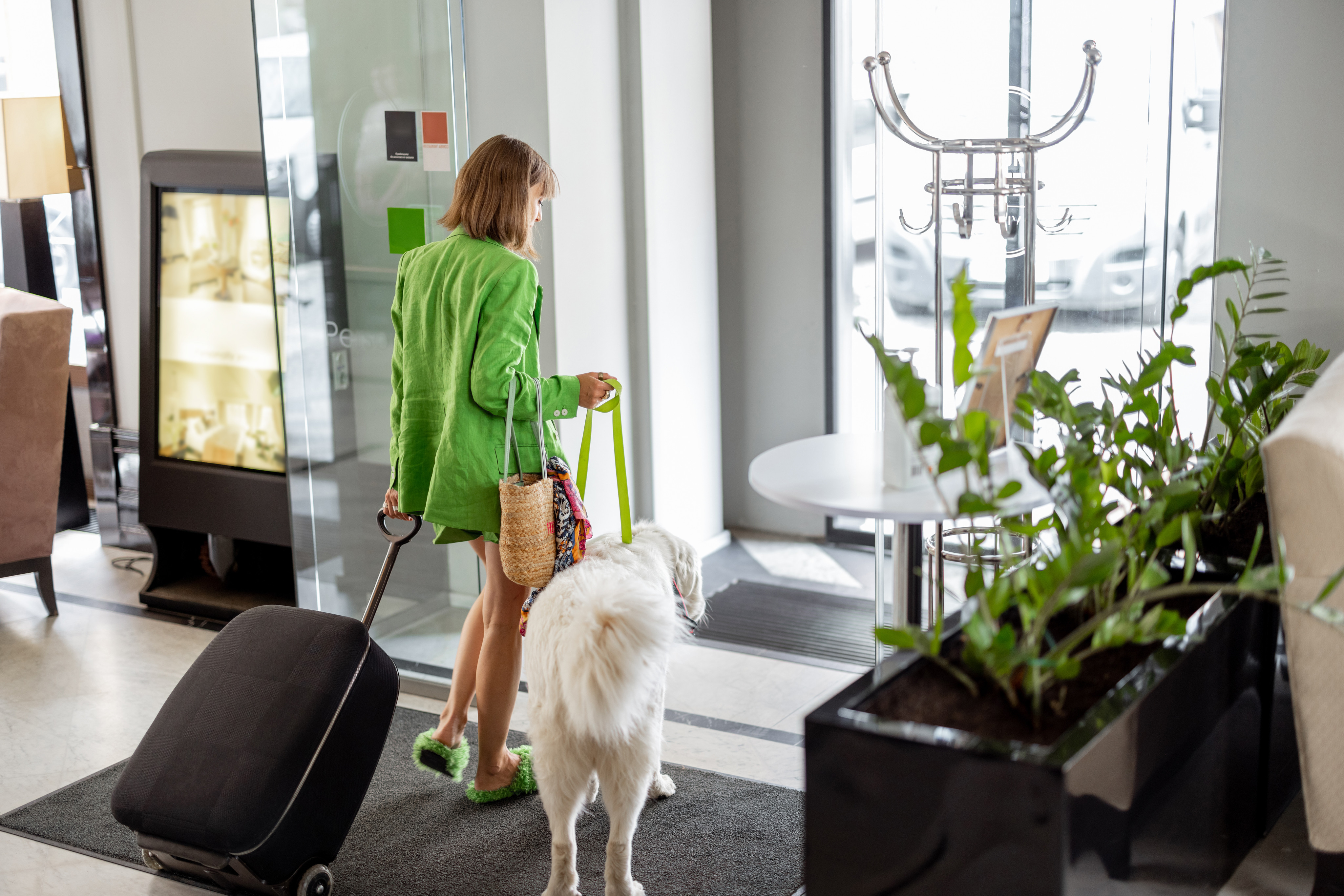
Understanding these nuances helps travelers avoid unexpected fees, restricted access areas, and uncomfortable situations, ensuring a seamless vacation experience whether visiting properties in bustling metropolises like New York City or scenic retreats in Aspen.
Defining the Baseline: Policies and Limitations
At its most fundamental level, a pet-friendly designation means that a property permits guests to bring animals into their rented rooms. Yet, this broad definition hides a myriad of specific conditions. No two properties implement identical policies, and assuming uniformity can lead to vacation headaches.
Species, Size, and Weight Restrictions
While many people automatically picture dogs when hearing the word “pet,” hotels often have much more complex definitions.
- Dogs Only vs. All Animals: A significant number of properties limit their welcome exclusively to canines. Others may permit cats, and a select few accommodate birds, rabbits, or even reptiles.
- Weight and Size Limits: It is common for properties, such as those found across Los Angeles, to enforce strict weight limits—often capping allowed pets at 50 pounds, though some boutique locations welcome dogs of any size.
- Breed Restrictions: Certain destinations or specific hotel chains may restrict certain dog breeds due to insurance liability or local municipal laws. Always verify these details directly before finalizing a reservation.
Number of Pets Per Room
Another vital distinction lies in occupancy limits. While a property may proudly display a pet-friendly badge, their policy might restrict guests to a single animal per suite. Travelers with multiple pets must carefully check whether additional animals incur separate fees or are outright prohibited. Properties that cater heavily to multi-pet families often feature designated ground-floor suites or extended-stay villas with direct outdoor access.
Financial Implications: Fees, Deposits, and Damages
The economics of traveling with a pet extend well beyond the standard nightly room rate. Properties incur additional operational expenses when hosting animals, primarily driven by the need for deep cleaning, specialized laundering of linens, and potential property wear-and-tear. Consequently, understanding the financial structure of pet policies is essential for accurate travel budgeting.
Non-Refundable Pet Fees vs. Fully Refundable Deposits
Hotels typically approach the cost of hosting animals in one of a few ways:
- Flat Pet Fees: A one-time non-refundable charge applied per stay, which covers the cost of specialized sanitation procedures required after checkout.
- Nightly Fees: A recurring daily charge added to the room rate. For longer vacations, this can significantly increase the total cost of the trip.
- Security Deposits: Fully or partially refundable deposits held against potential damage caused by the animal during the stay.

Liability and Incidental Charges
Even at properties that waive initial pet fees—such as select locations within the Kimpton Hotels portfolio, which famously embrace animals at no extra charge—guests remain legally and financially responsible for any damage. Chewed furniture, stained carpets, or excessive noise leading to complaints from neighboring guests can result in hefty incidental charges billed directly to the guest’s credit card upon departure.
Amenities and Perks: Moving Beyond Basic Acceptance
The hospitality industry has become remarkably competitive, leading forward-thinking resorts and boutique properties to elevate the definition of pet friendliness. Today, a truly accommodating hotel offers a suite of specialized amenities designed to pamper furry guests just as much as their human companions.
In-Room Comforts
When entering a high-end pet-inclusive suite, travelers might find an array of thoughtfully provided items:
- Plush Bedding: Specialized dog or cat beds tailored to the size of the animal, ensuring they do not have to sleep on the hard floor or jump onto human beds.
- Food and Water Bowls: Elevated or ceramic bowls provided for the duration of the stay, saving guests valuable luggage space.
- Welcome Treats: Gourmet biscuits, organic chew toys, or local artisanal treats waiting upon arrival to help the animal settle into an unfamiliar environment.
Property-Wide Services
Beyond the guest room, premier destinations integrate pet-centric services into their daily operations. Properties nestled in urban centers or beachside retreats like Miami often provide:
- Pet Concierge Services: Dedicated staff members who can recommend local veterinarians, groomers, pet-friendly dining spots, and dog-walking routes.
- Walking and Sitting Services: Partnerships with local professional pet sitters and walkers to ensure animals are cared for while humans attend business meetings, spa treatments, or fine-dining excursions.
- Doggie Room Service: Specialized pet menus featuring vet-approved meals, ranging from plain chicken and rice to gourmet dog-friendly pastries.
Etiquette, Rules, and Shared Spaces
Staying at a pet-friendly hotel requires adherence to a strict code of conduct. Because hotels are shared environments frequented by guests with varying comfort levels regarding animals—including those with severe allergies—maintaining polite and responsible behavior is paramount.
Restricted Areas and Public Spaces
While rooms and designated outdoor grounds are open to pets, most properties enforce strict boundaries regarding public spaces.
- Food and Beverage Outlets: Health and safety regulations typically prohibit animals from entering indoor dining rooms, bars, and commercial kitchens. However, outdoor patios and terrace seating areas often welcome pets.
- Wellness Facilities: Pools, spas, fitness centers, and executive lounges are almost universally off-limits to animals for hygiene and safety reasons.

Behavioral Expectations and Noise Control
A hotel room is a stimulating environment filled with unfamiliar sounds, from housekeeping carts rolling down the hallway to distant doors closing. Responsible pet parents must manage potential behavioral challenges:
- Separation Anxiety and Barking: Continuous barking can disturb neighboring guests and lead to immediate management intervention or requests to vacate the property. If leaving a pet unattended in a room, policies often require the animal to be crate-trained and quiet.
- Leash Laws and Waste Management: Common areas, lobbies, and hallways almost always require pets to be kept on a secure leash or carried. Furthermore, prompt cleanup in designated outdoor relief areas is not just polite—it is usually a strict hotel policy backed by fines for non-compliance.
Ultimately, a pet-friendly hotel is a partnership between the property management and the traveler. By understanding the policies, respecting the financial terms, taking advantage of luxury amenities, and practicing sound etiquette, traveling with a pet transforms from a logistical challenge into an immensely rewarding adventure shared with your most loyal companion.
LifeOutOfTheBox is a participant in the Amazon Services LLC Associates Program, an affiliate advertising program designed to provide a means for sites to earn advertising fees by advertising and linking to Amazon.com. Amazon, the Amazon logo, AmazonSupply, and the AmazonSupply logo are trademarks of Amazon.com, Inc. or its affiliates. As an Amazon Associate we earn affiliate commissions from qualifying purchases.