
The concept of the “Tri-State Area” is a cornerstone of American regional geography, yet it remains one of the most fluid and debated definitions in the country. Centered on the sprawling metropolis of New York City, the region functions as a massive, interconnected hub of economic, cultural, and social activity. Understanding this area requires looking past political boundaries to see how millions of people navigate life, work, and leisure across three distinct states: New York, New Jersey, and Connecticut.
Defining the Regional Boundaries
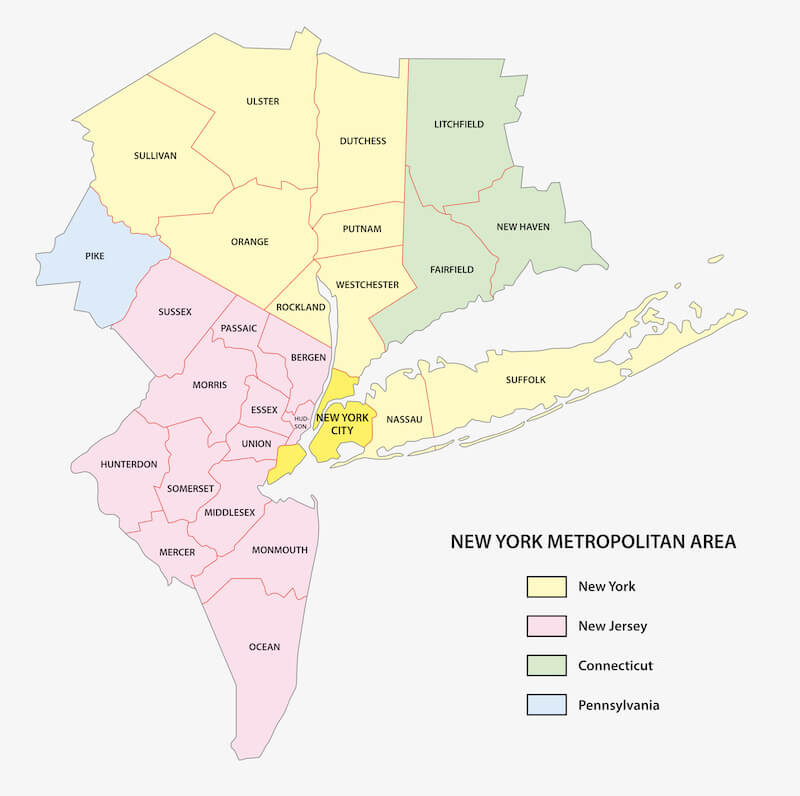
While the term “Tri-State” is used in various parts of the country to describe the intersection of three state borders, in the context of the Northeast, it almost exclusively refers to the New York Metropolitan Area. This region is not a single government entity but rather a functional economic zone defined by the reach of New York City’s commuter rail networks and labor market.
The New York Core
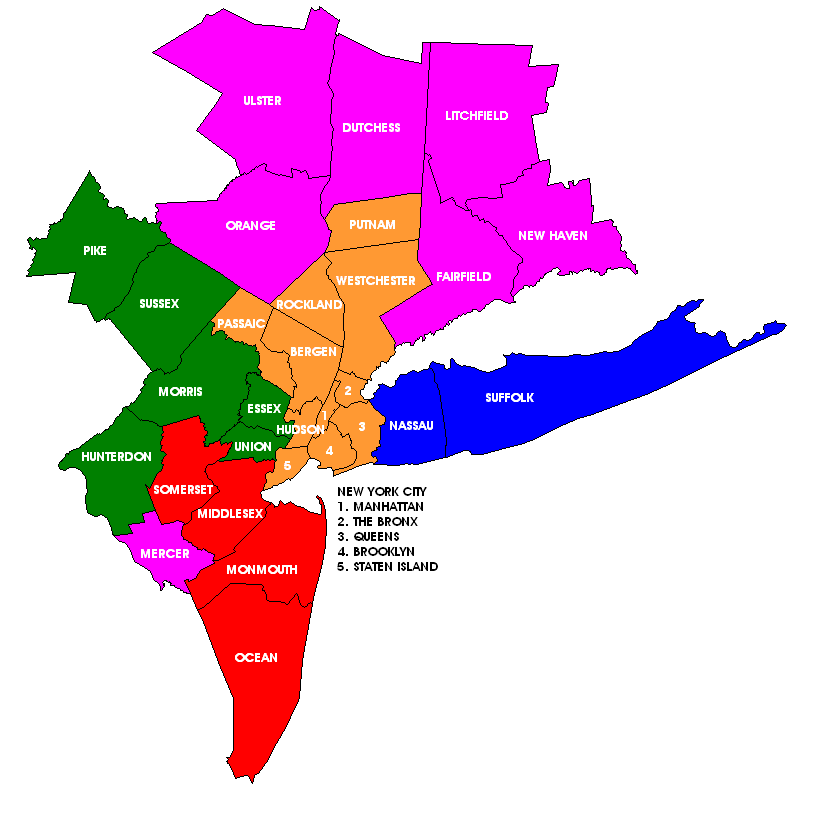
At the heart of the region lies New York City, comprised of its five iconic boroughs: Manhattan, Brooklyn, Queens, The Bronx, and Staten Island. Beyond the city limits, the definition of the Tri-State area expands to include the suburbs of Long Island, the Hudson Valley, and the Westchester County region. These areas are linked to the city through a complex web of infrastructure, including the Metro-North Railroad and the Long Island Rail Road.
The New Jersey Influence
New Jersey is arguably the most integral part of the Tri-State identity outside of the city itself. Cities like Jersey City, Newark, and Hoboken serve as primary residential hubs for thousands of commuters. The connection is facilitated by NJ Transit and the PATH Train, which make the commute across the Hudson River seamless. For many, Jersey City is viewed as a functional extension of Manhattan.
The Connecticut Connection
The third pillar, Connecticut, brings the affluent suburbs of Fairfield County into the fold. Cities such as Stamford, Greenwich, and New Haven are heavily integrated into the New York City economy. Residents here rely on the Metro-North Railroad to reach Grand Central Terminal, underscoring the deep logistical ties that bind these three states into one cohesive region.
The Economic and Cultural Engine
The Tri-State area is one of the most influential economic regions in the world. It is the center of global finance, media, and technology, with Wall Street serving as the focal point for international markets. However, the economic impact extends far beyond Manhattan.
A Unified Labor Market
The region functions as a massive, unified labor market. A professional might reside in Westchester County, work in Midtown Manhattan, and visit The Hamptons on the weekend, all while remaining within the geographic and social sphere of the Tri-State area. This mobility is essential to the region’s productivity. The density of the area allows for a concentration of talent that is unrivaled, attracting businesses that rely on proximity to both high-level decision-makers and a diverse workforce.

Cultural Synthesis
The culture of the Tri-State area is a melting pot of global influences. From the food scene in Queens to the arts culture of Brooklyn, and from the historical charm of New Haven to the coastal lifestyle of the Jersey Shore, the region offers an immense diversity of experiences. The proximity to major institutions like The Metropolitan Museum of Art and Lincoln Center ensures that the Tri-State area remains a global capital for culture.
Navigating the Tri-State Infrastructure
The heartbeat of the Tri-State area is its transit system. Without the complex infrastructure that links these three states, the region would not function as a single entity. The integration of rail, road, and bridge systems is a marvel of urban planning, albeit one that is constantly under pressure due to the sheer volume of daily commuters.
Essential Transport Hubs
The Port Authority of New York and New Jersey manages the primary arteries of the region, including the George Washington Bridge, the Lincoln Tunnel, and the Holland Tunnel. These crossings are critical for the daily movement of goods and people between New Jersey and Manhattan. Similarly, John F. Kennedy International Airport, LaGuardia Airport, and Newark Liberty International Airport serve as the regional gates to the rest of the world, creating a global network that thrives on the connectivity of the Tri-State area.
Challenges of Regional Connectivity
Maintaining such a vast system presents significant challenges. The age of much of the infrastructure—ranging from tunnels built in the early 20th century to rail systems requiring constant modernization—demands massive, multi-state coordination. Projects like the Gateway Program illustrate the necessity of political and financial cooperation between New York and New Jersey to ensure the continued economic vitality of the region.
Lifestyle and Living Standards
Choosing to live in the Tri-State area means opting for a lifestyle that balances the frantic pace of the city with the varied residential options available in the surrounding suburbs. Each part of the region offers a distinct quality of life, catering to different demographics and preferences.
Urban vs. Suburban Balance
For those who prioritize proximity to work and nightlife, the urban core—Manhattan, Brooklyn, and Jersey City—is the primary choice. These areas offer unparalleled access to world-class dining, theater, and retail. Conversely, the suburbs in Westchester County, Fairfield County, and Long Island provide a different pace of life, often centered on community, green spaces, and top-tier public school systems.
Leisure and Recreation
The Tri-State area is also a major hub for leisure. Beyond the city limits, residents have easy access to the scenic Catskill Mountains, the historic sites of the Hudson Valley, and the beaches of Fire Island. This diversity allows residents to maintain a high quality of life that can shift from intense professional environments to serene natural landscapes within a short drive or train ride. The ability to switch between these worlds is what defines the unique allure of living within the New York Metropolitan Area.
The Tri-State area is more than just a geographic designation; it is a complex, living organism of interconnected lives. It remains a testament to human organization and ambition, proving that states and municipalities can operate as a unified powerhouse of global commerce and culture.
LifeOutOfTheBox is a participant in the Amazon Services LLC Associates Program, an affiliate advertising program designed to provide a means for sites to earn advertising fees by advertising and linking to Amazon.com. Amazon, the Amazon logo, AmazonSupply, and the AmazonSupply logo are trademarks of Amazon.com, Inc. or its affiliates. As an Amazon Associate we earn affiliate commissions from qualifying purchases.