
Louisiana is a tapestry of vivid history, intoxicating music, and a culinary landscape that defies simple categorization. From the moss-draped oaks of the bayou to the vibrant, neon-lit corridors of jazz-filled streets, this state offers an sensory immersion unlike anywhere else in the United States. Choosing where to visit in Louisiana requires an understanding of its dual nature: the frantic, celebratory energy of its urban hubs and the slow, rhythmic pulse of its natural wetlands.
The Cultural Heart: New Orleans and the Spirit of the Delta
No journey to the Pelican State is complete without spending significant time in New Orleans. This city is a living, breathing museum of colonial architecture, creole influences, and relentless optimism.

The French Quarter
The French Quarter serves as the historical anchor of the city. Walking through its narrow streets, you are greeted by the iconic iron-lace balconies and the scent of beignets wafting from Cafe Du Monde. While the nightlife of Bourbon Street often draws the most attention, the true character of the district is found in the hidden courtyards and the soulful melodies drifting from Frenchmen Street.
Garden District Splendor
For those seeking a quieter, more architectural focus, the Garden District offers a glimpse into the opulent history of the 19th-century elite. The neighborhood is renowned for its expansive mansions and lush, manicured gardens. A ride on the St. Charles Avenue Streetcar is perhaps the most iconic way to traverse the city, offering a scenic route through the towering oak trees that define the area’s landscape.
Cajun Country and the Acadian Heritage
Stepping outside the urban sprawl of New Orleans, you enter the distinct world of Acadiana. This region, centered around cities like Lafayette and New Iberia, is where the French-Canadian influence of the Cajuns has shaped everything from the language to the spice levels in the gumbo.
Exploring Lafayette
Lafayette is the unofficial capital of Cajun country. To truly understand the heritage of the region, visit Vermilionville, a living history museum that recreates the life of the Acadian settlers. Here, the preservation of Cajun music is treated as a sacred duty, and it is common to find impromptu jam sessions in the local dance halls.
The Charm of New Iberia
Located nearby is New Iberia, famous for being the home of the Tabasco Factory on Avery Island. This salt dome, set amidst lush botanical gardens and teeming with local wildlife, provides a unique perspective on the state’s geography. The juxtaposition of industrial history and natural beauty makes this a necessary stop for any curious traveler.
Natural Wonders and the Bayou Experience
Louisiana’s identity is inextricably linked to its water. The Atchafalaya Basin is the largest wetland in the United States, providing a critical habitat for wildlife and a serene, otherworldly experience for those who venture into its depths.
Swamp Tours and Wildlife
Venturing into the Honey Island Swamp provides an intimate look at the flora and fauna that sustain the region. Gliding through the dark, tannin-rich waters, visitors can observe alligators, egrets, and bald eagles. It is a humbling reminder of the sheer scale of the Mississippi River delta and the environmental forces that have sculpted this land over millennia.
Plantation History and Reflection
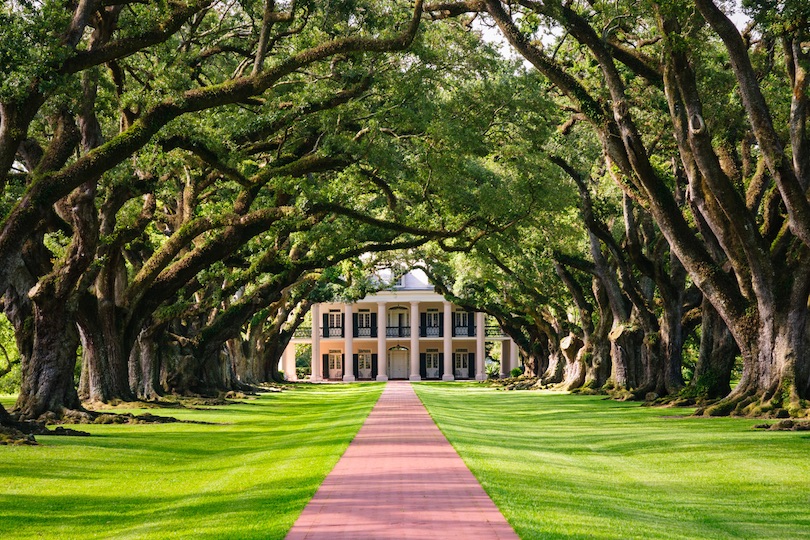
While the natural beauty is striking, the state is also home to historical landmarks like Oak Alley Plantation. These sites offer a complex look at the antebellum era. Walking beneath the famous tunnel of 300-year-old oak trees forces a necessary reflection on the difficult history of the region. Visiting Laura Plantation provides a starkly different perspective, focusing on the Creole history and the lives of those who worked the land, grounding the traveler in the reality of the Southern experience.
The North: Shreveport and the Rolling Hills
As you move north, the geography shifts from the coastal lowlands to the rolling hills and pine forests of North Louisiana. This area, defined largely by Shreveport, offers a cultural blend that feels distinct from the southern parishes.
Shreveport and Bossier City
Shreveport serves as the commercial hub of the north. Situated along the Red River, the city features a vibrant riverfront with casinos, art galleries, and the R.W. Norton Art Gallery. The city is a gateway to the Louisiana State Oil and Gas Museum in nearby Oil City, highlighting the pivotal role the energy industry has played in the development of the state’s economy.
Nature and Outdoor Recreation
The north is also home to Kisatchie National Forest, the only national forest in the state. For those who enjoy hiking, camping, or canoeing, the rugged terrain provides a sharp contrast to the flat marshes of the south. It is an often overlooked aspect of the state that rewards the intrepid visitor with quiet, undisturbed wilderness and vistas that change dramatically with the seasons.
Culinary Pilgrimages and Seasonal Festivals
The true essence of Louisiana is found on the plate. Whether it is a crawfish boil in the spring or the heavy, comforting stews served during the colder months, food here is a language of hospitality.
The Crawfish Trail
Travelers often plan their visits around the Crawfish season. Small towns throughout the state host seasonal festivals where locals and visitors congregate to enjoy boiled seafood seasoned to perfection. Engaging with the locals at these events is the fastest way to understand the communal nature of the state’s culture.
Festivals and the Arts
Beyond food, the state’s calendar is dictated by its festivals. From the New Orleans Jazz and Heritage Festival to the Breaux Bridge Crawfish Festival, these events are where the soul of the state is most visible. Participating in Mardi Gras in the small town of Eunice offers a stark, rural contrast to the spectacle of the major cities, focusing instead on traditional costumes and communal participation.

Planning Your Route
When mapping out your visit, allow for the pace of life to dictate your schedule. Louisiana is not a place to be rushed. Whether you are exploring the stately homes of St. Francisville or wandering the Bayou Teche region, the best experiences are often those found when you diverge from the main highway and follow the winding backroads. The state is a collection of diverse parishes, each with its own story, its own dialect, and its own unique way of life. By focusing on the interplay between the urban jazz centers and the quiet, introspective bayou towns, you will gain a comprehensive understanding of why this corner of the world remains so profoundly influential to the American cultural identity.
LifeOutOfTheBox is a participant in the Amazon Services LLC Associates Program, an affiliate advertising program designed to provide a means for sites to earn advertising fees by advertising and linking to Amazon.com. Amazon, the Amazon logo, AmazonSupply, and the AmazonSupply logo are trademarks of Amazon.com, Inc. or its affiliates. As an Amazon Associate we earn affiliate commissions from qualifying purchases.