
When planning a journey to Maine, visitors often find themselves enchanted by the local wildlife and the legendary heritage of the “gentle giant” of the cat world. Whether you are traveling through the rugged forests of Acadia National Park or exploring the coastal charm of Portland, the Maine Coon stands as a symbol of the state’s resilience and natural beauty. For those who encounter these magnificent creatures while staying at a countryside Bed and Breakfast or visiting a local farmstead, distinguishing a Maine Coon kitten from a standard domestic shorthair or longhair is an art form.
Understanding the Ancestry and Physical Markers
The Maine Coon is arguably the most iconic feline breed originating from the United States. Their development in the harsh, snowy climates of New England necessitated a robust physical build. When attempting to identify a kitten of this lineage, one must look past the playful demeanor and examine the structural anatomy that hints at their wild, forest-dwelling ancestors.
The Head and Facial Structure
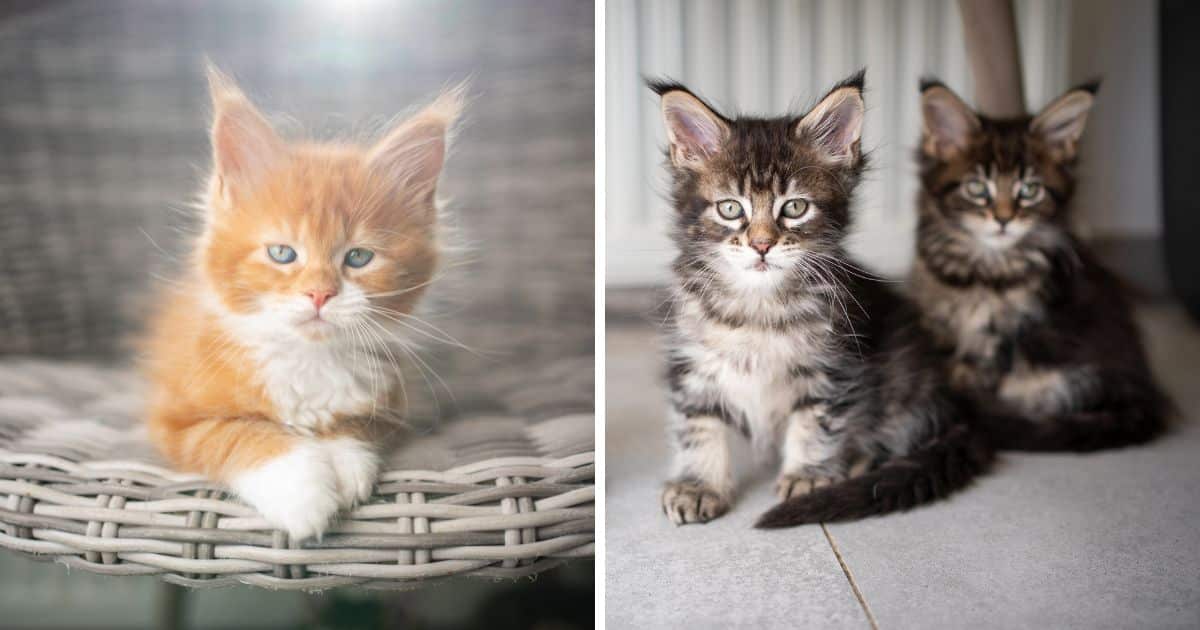
A quintessential Maine Coon kitten possesses a unique “squared” muzzle. Unlike the delicate, pointed faces of many other breeds, the Maine Coon develops a box-like facial shape as it matures, which is often visible even in kittens. Look for a strong, prominent chin that aligns vertically with the nose. The profile should show a gentle concave curve at the bridge of the nose, rather than a sharp stop or a perfectly straight line.
Furthermore, their ears are a defining feature. They are large, set high on the head, and—crucially—often sport prominent “lynx tips.” These are tufts of fur that grow from the very tips of the ears, mimicking the appearance of the Canada Lynx. Even in a young kitten, these tufts are usually present, acting as a visual indicator of their heritage.
Eye Shape and Expression
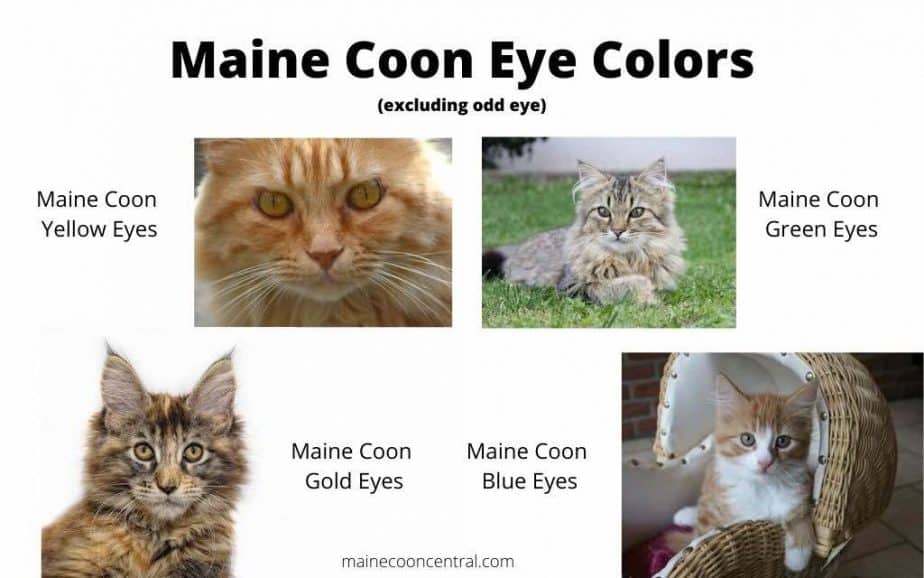
The eyes of a Maine Coon are large, expressive, and slightly oval, set at a subtle oblique angle. While eye color in kittens is often a transient blue that changes as they age, the overall expression of a purebred Maine Coon is one of alert intelligence. You may often find these cats watching their surroundings with a “wild” gaze, a trait that makes them appear as if they have just stepped out of the vast wilderness of Baxter State Park.
Coat Texture and Tail Development
If you are visiting a breeder in Augusta or meeting a kitten at a rural estate, the coat is often the first thing you will notice. The Maine Coon is a semi-longhaired breed, and their fur serves a functional purpose, developed to withstand the biting winds of the Atlantic Ocean.
The “Shaggy” Coat Pattern
The fur of a Maine Coon is not silky or uniform like that of a Persian or a Russian Blue. Instead, it is uneven, feeling somewhat shaggy or oily to the touch. This water-resistant coat is essential for survival in cold, damp climates. You will typically notice a ruff of longer fur around the neck and chest, often appearing more pronounced as the kitten enters its adolescent growth phase.
The Iconic Plumed Tail
Perhaps the most distinctive feature of the Maine Coon is its tail. It should be long, wide at the base, and covered in thick, flowing fur. If you can hold the tail against the cat’s body, it should reach the shoulder blades easily. When the kitten walks, the tail is often held high, showcasing a plume that rivals that of a fox. This appendage is vital for balance and warmth, and in a genuine Maine Coon, it is disproportionately impressive compared to the rest of the body.
Size and Growth Patterns
Maine Coons are famous for their slow growth rate. Unlike standard domestic cats that reach full maturity around one year of age, a Maine Coon may continue to grow and fill out until they are three to five years old.
The Sturdy Frame
Even as kittens, Maine Coons are remarkably heavy for their age. They possess a “rectangular” body shape, supported by thick, muscular legs and large, round paws. When observing a litter, look for the kitten that appears most substantial in bone structure. Their paws are often oversized, sometimes sporting “snowshoe” tufts of fur between the toes, which were historically used to navigate deep snow drifts during winter excursions near the White Mountains.
The Developmental Timeline
If you find a kitten that seems “all legs” and possesses massive feet, there is a high probability of Maine Coon ancestry. These features are essentially a growth template for the giant cat they will become. Their skeletal development is prioritized, meaning they may look a bit gangly during the transition from kittenhood to adulthood, a stage that locals in Bar Harbor often refer to as the “awkward phase.”
Behavior and Personality Traits
Beyond the physical, the Maine Coon is defined by a temperament that feels more akin to a loyal dog than a typical cat. If your travel adventures bring you into contact with these animals, the way they interact with you can be as telling as their appearance.
The “Gentle Giant” Demeanor
Maine Coons are notoriously social. They are often found following their human companions from room to room, curious about every activity. Unlike more aloof breeds, a Maine Coon will often engage in “chirping” or “trilling” sounds—a soft, bird-like vocalization—rather than a traditional meow. This is a communicative tool they use to stay in touch with their owners, reflecting their heritage as a breed that values community and companionship.
Affinity for Water and Play
It is a well-documented trait that many Maine Coons have a fascination with water. This is perhaps why they have thrived in coastal regions like Kennebunkport. Do not be surprised if a Maine Coon kitten plays with their water bowl, splashes in a sink, or shows zero hesitation when faced with a damp floor. Their play style is often tactile and vigorous; they enjoy interactive toys and can learn to play fetch with the dedication of a retriever.

Living with the Legend
When you are exploring the New England Coast, keep an eye out for these magnificent felines. Whether you are staying at a rustic lodge in the Appalachian Mountains or a modern boutique hotel in Boston, the presence of a cat with a square muzzle, lynx-tipped ears, and a heavy, plumed tail is a hallmark of the region’s charm.
Identifying a Maine Coon is a journey into the history of American domesticity. By observing the balance of their sturdy physical structure and their uniquely interactive, playful spirit, you can recognize these majestic animals for the true legends of the forest that they are. Whether they are roaming the halls of a quiet countryside inn or keeping watch from a window overlooking the Gulf of Maine, the Maine Coon remains an unforgettable part of the traveler’s experience in the northeast.
LifeOutOfTheBox is a participant in the Amazon Services LLC Associates Program, an affiliate advertising program designed to provide a means for sites to earn advertising fees by advertising and linking to Amazon.com. Amazon, the Amazon logo, AmazonSupply, and the AmazonSupply logo are trademarks of Amazon.com, Inc. or its affiliates. As an Amazon Associate we earn affiliate commissions from qualifying purchases.