
When travelers plan a visit to New York City, they are often mesmerized by the neon lights of Times Square and the towering silhouettes of the Empire State Building. However, beyond the well-trodden paths of Manhattan and the upscale storefronts of Fifth Avenue, there exists a complex economic reality. Understanding the poverty level in this metropolis is essential for those who want to appreciate the nuanced lifestyle of the city, moving beyond the superficial glitz often marketed in brochures. As a hub of both extreme wealth and systemic struggle, New York serves as a profound case study for urban socio-economic conditions.

The Economic Dichotomy of the Five Boroughs
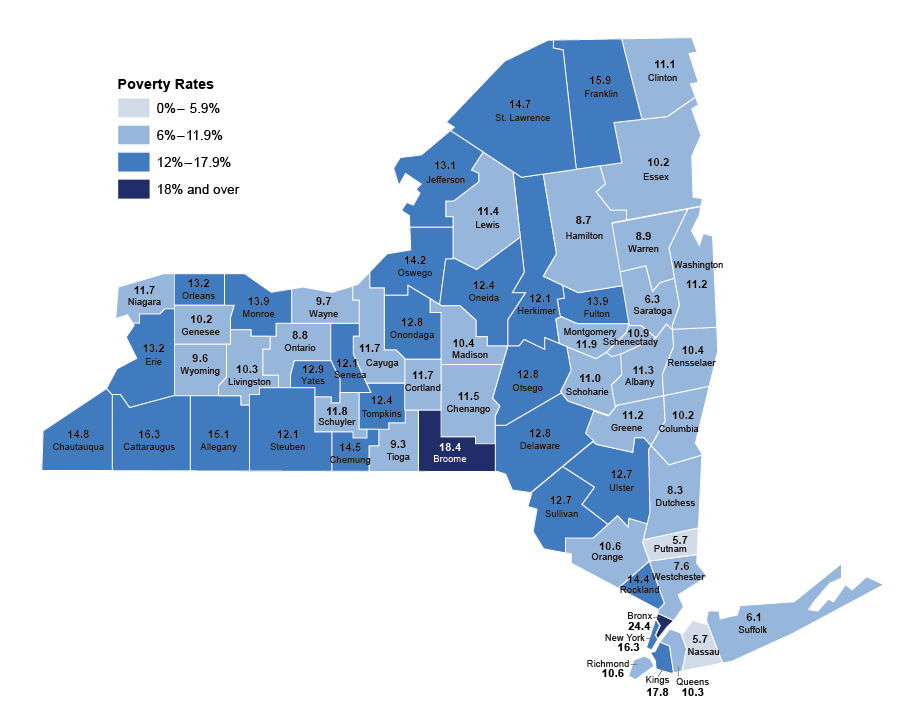
To grasp the poverty levels in the city, one must look past the skyscrapers and consider the distinct identities of the five boroughs: The Bronx, Brooklyn, Queens, Staten Island, and Manhattan. Poverty in New York City is rarely uniform; it is neighborhood-specific and influenced by history, infrastructure, and access to resources.
Disparities in Neighborhood Development
While Midtown Manhattan attracts millions of visitors who participate in the luxury travel sector, less than a few miles away, residents in parts of The Bronx face significant challenges regarding food security and housing affordability. Budget travel often brings visitors into contact with these diverse landscapes, revealing that the cost of living in the United States is highest here. When travelers choose to stay in hostels or budget-friendly apartments in outer boroughs, they are often navigating communities that are currently redefining their economic status amidst the rapid gentrification of New York City.
The Working Poor in a Global City
A significant portion of the poverty rate is composed of “working poor”—individuals who maintain full-time employment within the hospitality, transit, or retail sectors but struggle to meet the rising costs of basic survival. This dynamic is visible to any observant traveler. Whether it is the staff at a Marriott International property or the workers maintaining the Subway stations, these individuals are the backbone of the tourist economy. Recognizing the economic constraints faced by these residents adds a layer of empathy to the travel experience, encouraging visitors to support local businesses rather than solely relying on multinational conglomerates.
Understanding the Statistics: Cost of Living vs. Poverty Lines

Economists frequently debate the measurement of poverty in New York City. The federal poverty level often fails to account for the exorbitant cost of rent, utilities, and public transportation in such a high-demand environment.
The Real Cost of Survival
For a family to thrive, or even survive, in New York City, the income required far exceeds the national average. When tourists visit the Statue of Liberty or walk through Central Park, they are engaging with public spaces that represent the city’s commitment to accessibility. However, the private cost of living is a barrier that prevents many residents from fully accessing the benefits of their own city. The “True Cost of Living” index is often a more accurate metric than the federal poverty line, highlighting how a household can earn well above the official poverty threshold yet still exist in a state of financial precarity.
Housing Affordability and Displacement
Housing is the largest expenditure for any resident. For the budget traveler, finding an affordable hotel in Brooklyn or Queens can be a challenge. This difficulty is a direct reflection of the broader housing crisis that dictates the city’s poverty statistics. As neighborhoods like Williamsburg or Bushwick transform, the long-term residents—the people who built the vibrant local culture that travelers flock to see—are often displaced. This cycle of gentrification ensures that poverty remains a structural issue, often pushing low-income families further from the city center and toward the outskirts of the metropolitan area.
Supporting Local Culture and Responsible Travel
Travelers interested in the social fabric of New York City can make choices that positively impact the communities they visit. A “lifestyle” approach to travel involves more than just selecting the right hotel or the best Broadway show; it involves intentional engagement with the city’s diverse ecosystem.
Ethical Tourism and Economic Impact
One of the most effective ways to support a city’s economic health is through direct consumption. Instead of purchasing souvenirs at chain stores in Times Square, travelers can frequent local markets, family-owned restaurants, and independent galleries in neighborhoods like Harlem or Jackson Heights. This direct injection of capital supports small business owners who are often local residents themselves. By choosing to eat at locally-run eateries, travelers participate in a more equitable distribution of the wealth generated by the tourism industry.
Awareness and Engagement
Visiting New York City with an awareness of its poverty levels transforms the experience from a passive vacation to an active discovery. Whether exploring the history of Ellis Island or learning about the architectural evolution of Lower Manhattan, one begins to see the city as a living, breathing entity. The poverty level is not just a statistic printed in a report; it is the lived experience of millions of New Yorkers. By acknowledging the economic disparities that define the city, travelers become more informed, respectful, and observant guests.
Promoting Sustainable Growth
Finally, the future of New York City depends on the ability to balance its status as a world-class tourism destination with the need to protect its most vulnerable residents. Sustainable tourism practices—such as using public transit, respecting local neighborhood boundaries, and being mindful of one’s ecological and social footprint—contribute to a healthier city for everyone. As the metropolis continues to evolve, the hope is that the prosperity gained from the massive influx of global visitors can be harnessed to alleviate the structural poverty that persists in the shadows of its most iconic landmarks. When we travel to places like the Metropolitan Museum of Art, we should remain mindful that the beauty of New York City is its people, and their collective well-being is the ultimate measure of the city’s success.
LifeOutOfTheBox is a participant in the Amazon Services LLC Associates Program, an affiliate advertising program designed to provide a means for sites to earn advertising fees by advertising and linking to Amazon.com. Amazon, the Amazon logo, AmazonSupply, and the AmazonSupply logo are trademarks of Amazon.com, Inc. or its affiliates. As an Amazon Associate we earn affiliate commissions from qualifying purchases.