
For expatriates, digital nomads, and affluent professionals planning a relocation to the bustling financial heart of the United States, understanding the fiscal landscape is as critical as choosing the right neighborhood. When you transition your life to New York, your financial planning must account for more than just the high cost of living; you must navigate a sophisticated, multi-tiered state income tax system that is among the most comprehensive in the country.
Understanding the New York State Tax Framework
The taxation system in New York State operates on a progressive scale. This means that as your taxable income increases, so does the percentage of tax you owe. Unlike some states that employ a flat tax rate, New York adjusts its brackets annually to account for inflation and economic shifts, ensuring that those with higher earnings contribute a larger portion to the state’s public services, infrastructure, and educational systems.
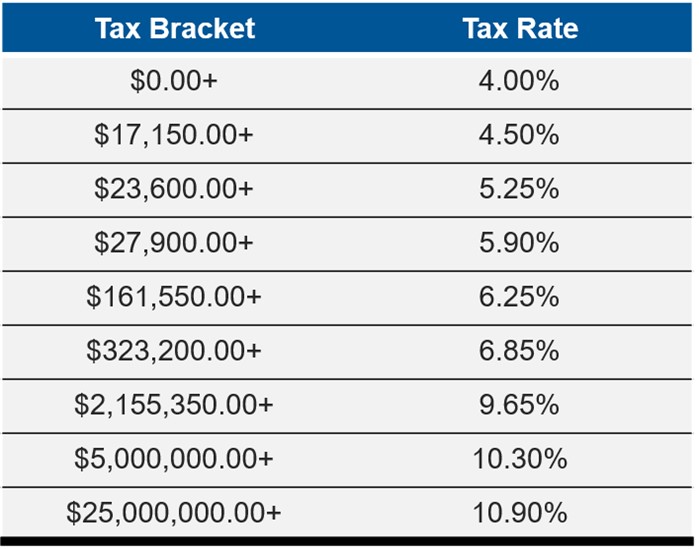
Progressive Tax Brackets Explained
The state income tax rates currently range from 4% to 10.9%. For the majority of taxpayers, the rates settle in the middle, but for high-net-worth individuals, the top marginal rates represent a significant financial obligation. These brackets are strictly determined by your filing status, whether you are filing as a single individual, a head of household, or a married couple filing jointly.
It is essential to distinguish between your total income and your taxable income. New York begins with your federal adjusted gross income and applies specific modifications—adding back certain deductions or subtracting state-specific exemptions—to arrive at your New York taxable income. This figure is what determines which tier of the progressive tax ladder you fall into.
Residency and Part-Year Status
One of the most complex aspects for those moving to New York City is determining residency for tax purposes. You are considered a full-year resident if you maintain a “permanent place of abode” in the state and spend more than 183 days within its borders. Even if you do not spend the majority of your time in Manhattan or Brooklyn, if you maintain a home here, the state may assert tax jurisdiction over your worldwide income.
For those who split their time between multiple global hubs, the “statutory resident” test is a critical threshold. If you maintain a residence and spend a significant amount of time in the state, you may be taxed as a full-year resident regardless of where you claim your primary domicile.
The Added Burden of Local City Taxes
While state income tax is a primary consideration, it is only part of the equation for those residing within the five boroughs. New York City imposes its own local income tax on top of the state and federal requirements.
Calculating the New York City Resident Tax
If you are a resident of any of the five boroughs—The Bronx, Queens, Staten Island, Brooklyn, or Manhattan—you are subject to an additional municipal income tax. These rates typically range from approximately 3.078% to 3.876%, depending on your income bracket.

When you combine the state rate with the city rate, the cumulative marginal tax burden can feel substantial. This is why many professionals, particularly those working in finance or technology, often perform a rigorous cost-benefit analysis before deciding to establish a primary residence within city limits. The convenience of being close to the Statue of Liberty or the cultural hubs of Midtown often comes with this premium fiscal price tag.
Deductions and Credits
To mitigate the impact of these taxes, New York offers various credits, such as the New York City School Tax Credit or the Household Credit, depending on your income level. Furthermore, certain retirement contributions and specific health savings plans can reduce your overall taxable income. Engaging with a tax professional who specializes in New York residency is often the most prudent way to ensure you are capturing every available credit and deduction allowed under the law.
Strategic Financial Planning for New York Residents
For the lifestyle-oriented traveler or professional, the tax landscape of New York should be viewed as a cost of doing business in one of the most vibrant economies in the world. However, ignoring the nuances of the tax code can lead to significant penalties.
The Impact of Capital Gains
New York treats capital gains as ordinary income. Unlike some other jurisdictions that may provide preferential tax treatment for long-term investments, New York does not offer a separate, lower rate for capital gains. This is a critical factor for investors who hold significant portfolios. The gains are taxed at the same progressive rates as your salary or business income, which necessitates careful planning, especially when divesting from assets.
Withholding and Quarterly Payments
If you are an employee, your employer will automatically withhold New York State and, if applicable, New York City income taxes from your paycheck. However, if you are a freelancer, independent contractor, or business owner, you are responsible for calculating and submitting estimated tax payments on a quarterly basis. Underpayment of these taxes can result in interest and penalties, making it vital to maintain accurate projections of your annual income.
Navigating the Future of Your New York Residency
As you integrate into the local community—frequenting the cafes in Williamsburg, taking strolls through Central Park, or enjoying the views from the Empire State Building—your tax obligations remain a constant companion.
Seeking Professional Guidance
The complexities of tax law in the Empire State are fluid. Legislative sessions in Albany frequently introduce changes to tax brackets, exemptions, and the definition of nexus. Whether you are living in a luxury condo near the Hudson Yards or residing in a quieter neighborhood, staying informed is the best way to protect your financial interests.
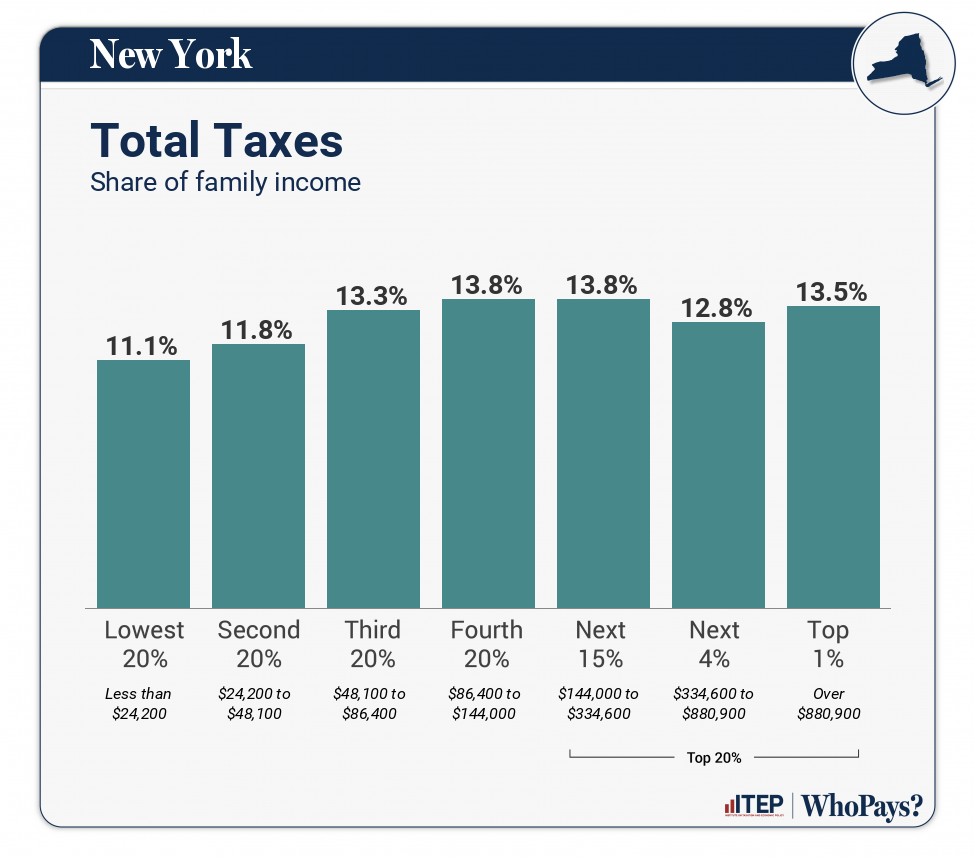
Summary Checklist for New Yorkers
- Determine your residency status: Use the 183-day rule to understand your filing obligations.
- Account for the City Tax: Remember that living in the five boroughs triggers an additional municipal levy.
- Monitor your income brackets: Understand how your annual earnings place you within the progressive tax structure.
- Leverage deductions: Research state-specific credits that may lower your effective tax rate.
- Prepare for quarterly filings: If your income is not subject to employer withholding, prioritize timely estimated payments.
New York remains a global beacon for career growth, arts, and culture. While the tax rates are high, they contribute to the unparalleled infrastructure and services that define the city’s unique, fast-paced, and highly desirable lifestyle. By understanding these fiscal requirements early, you can focus on what truly matters: enjoying all that the United States most iconic region has to offer.
LifeOutOfTheBox is a participant in the Amazon Services LLC Associates Program, an affiliate advertising program designed to provide a means for sites to earn advertising fees by advertising and linking to Amazon.com. Amazon, the Amazon logo, AmazonSupply, and the AmazonSupply logo are trademarks of Amazon.com, Inc. or its affiliates. As an Amazon Associate we earn affiliate commissions from qualifying purchases.