
Entering a pristine hotel room after a long day of travel in a bustling destination like New York City or Paris is one of the greatest pleasures of vacation. You see the neatly tucked crisp white sheets, the plump pillows, and the welcoming ambiance of a luxury suite at properties like the Ritz Paris or the Fairmont Le Chateau Frontenac. However, beneath this veneer of cleanliness lies a persistent traveler’s anxiety: the dreaded bedbug. These resilient pests do not discriminate based on the cost or star rating of a property, appearing everywhere from budget motels to five-star resorts in London or Tokyo. Knowing how to thoroughly inspect your temporary lodging is an essential skill for any savvy guest, ensuring your trip remains memorable for all the right reasons.

The Golden Rule: Keep Your Luggage Out of Harm’s Way
The most critical mistake travelers make upon entering a hotel room is immediately tossing their suitcases onto the bed or the carpet. Bedbugs are master hitchhikers, capable of crawling from box springs, mattresses, or baseboards directly into the fabric folds, zippers, and interior compartments of your luggage.
Utilize the Luggage Rack
Before you even think about unzipping your bags, locate the metal or wooden luggage rack provided by the hotel. Inspect the straps and joints of the rack itself with your smartphone flashlight. Once you are satisfied it is clean, pull it away from the walls, headboards, and plush curtains.
The Bathtub Quarantine
If the room does not feature a reliable luggage rack, the safest place to store your bags during your initial inspection is inside the bathroom bathtub or shower stall. Bathrooms typically feature tiled floors and minimal upholstered surfaces, making it exceptionally difficult for bedbugs to hide or access your belongings. Keep your suitcases elevated and securely zipped until you have completed a comprehensive perimeter check of the sleeping quarters.
Step-by-Step Mattress and Bedding Inspection
Bedbugs are elusive creatures, roughly the size and shape of an apple seed when fully grown, though nymphs can be as tiny as a poppy seed. They prefer to stay hidden near their food source—which is you—making the bed and its immediate surroundings the primary inspection zone.
Strip the Bed With Care
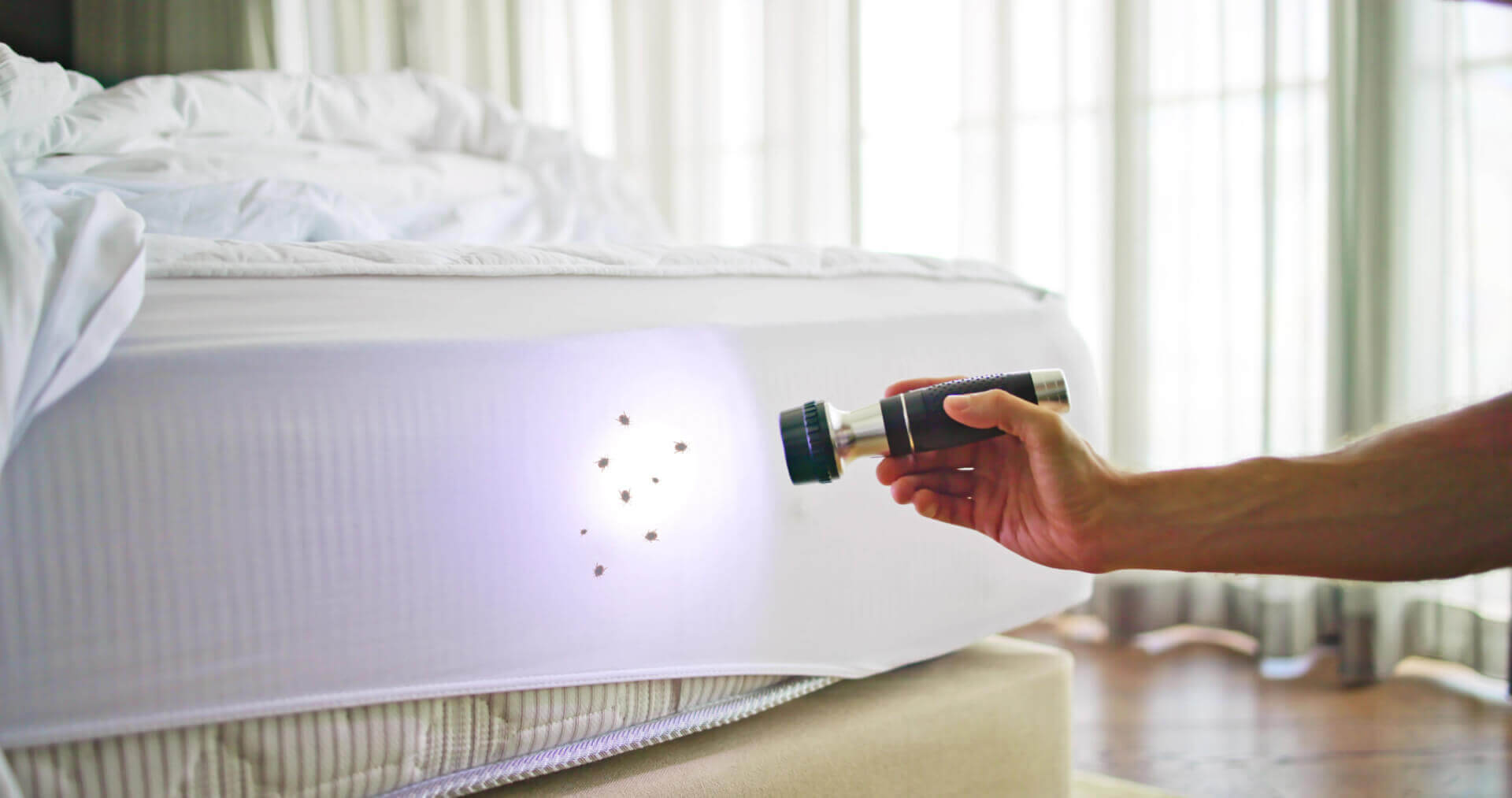
Do not hesitate to pull back the comforter, sheets, and mattress pad. You are looking for more than just the bugs themselves; you need to search for the physical evidence they leave behind. Carefully examine every layer of bedding, paying special attention to the piping, seams, and corners of the mattress.
What to Look For
When conducting your search, keep an eye out for these distinct indicators:
- Live Bugs: Small, oval-shaped, reddish-brown insects crawling along the fabric or seams.
- Exoskeletons: Translucent, yellowish shells left behind as the bugs molt and grow.
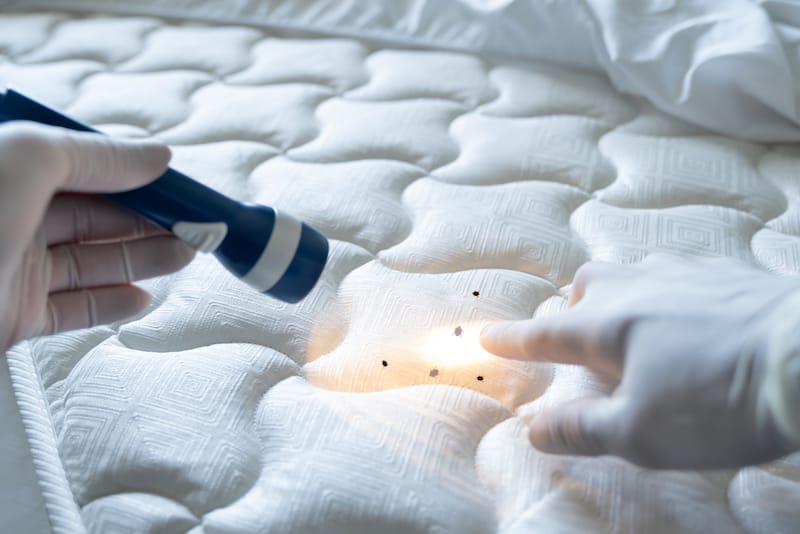
- Fecal Spots: Tiny dark or black spots resembling ink stains from a fine-point pen, often found clustered on mattress tags or box springs.
- Blood Smears: Small, unexplained rust-colored or red smears on the white sheets, caused by bugs accidentally crushed while feeding or resting.
- Eggs and Casings: Tiny, pearl-white eggs tucked away in the tightest crevices of the furniture.
Investigating Beyond the Mattress
While the mattress is the most obvious suspect, bedbugs are opportunistic and will exploit any dark, protected crevice within arm’s reach of the bed. Neglecting the surrounding furniture can leave you just as vulnerable as skipping the mattress check entirely.
The Headboard and Frame
The headboard—especially if it is made of upholstered fabric or mounted directly to the wall—is a prime real estate zone for bedbugs. Take your credit card or a room key and slide it along the crevices of the headboard, or shine your flashlight behind it to check for movement, casing debris, or dark spotting. Inspect the wooden or metal bed frame joints, screw holes, and slats as well.
Nightstands and Upholstered Seating
Pull out the drawers of the nightstands and inspect the interior corners, especially if the furniture is made of wood with visible joints. Bedbugs also love to hide in the folds of armchairs, sofas, and fabric-lined desk chairs located near the bed. Check the cushions, piping, and underside of any soft seating in the room.
What to Do If You Find Evidence
Discovery of a bedbug infestation requires immediate and decisive action. Do not panic, but do not brush it off, either.
Contact Management Immediately
Gather your belongings from the bathroom or luggage rack, leave the room entirely, and go straight to the front desk. Politely but firmly explain the situation to the management. Request a room change immediately. Ensure that the new room is not adjacent, directly above, or directly below the infested room, as bedbugs can easily travel through wall voids or utility lines.
Protecting Your Belongings
If you spent any time in the room before discovering the issue, or if you suspect exposure, take preventative measures immediately upon returning home or moving to a new accommodation. Wash all travel clothing in hot water and dry them on the highest heat setting for at least 30 minutes, as extreme heat is lethal to bedbugs at all life stages. By maintaining vigilance and following these inspection protocols, you can explore the world with confidence and peace of mind.
LifeOutOfTheBox is a participant in the Amazon Services LLC Associates Program, an affiliate advertising program designed to provide a means for sites to earn advertising fees by advertising and linking to Amazon.com. Amazon, the Amazon logo, AmazonSupply, and the AmazonSupply logo are trademarks of Amazon.com, Inc. or its affiliates. As an Amazon Associate we earn affiliate commissions from qualifying purchases.