
Understanding the climate of Syracuse is essential for anyone planning a trip to this historic city in New York. Known famously as one of the snowiest cities in the United States, Syracuse offers a distinct four-season experience. Whether you are traveling for business, visiting Syracuse University, or exploring the beautiful Finger Lakes region nearby, the weather will dictate your itinerary.
The Dynamics of Syracuse Winters
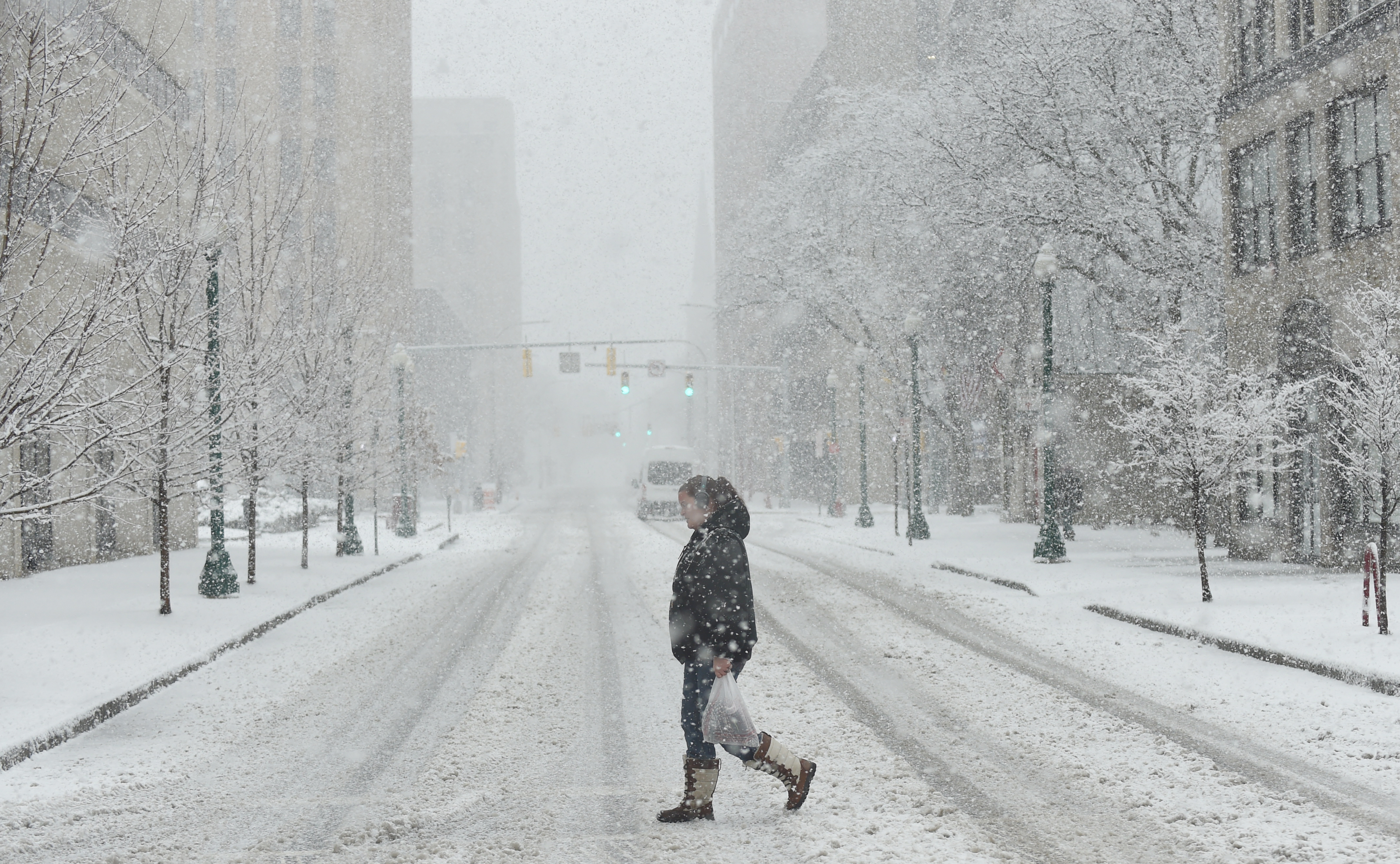
Winter in Syracuse is perhaps the most defining feature of the local climate. Beginning in late November and often stretching into early April, the winter season is defined by the unique geography of Upstate New York.
Lake-Effect Snow Explained
The primary driver of the region’s legendary snowfall is the lake-effect phenomenon. Because Syracuse sits just south of Lake Ontario, cold arctic air picks up moisture as it travels over the relatively warmer waters of the lake. When this air hits the land, it dumps significant amounts of snow in specific bands. While downtown Syracuse may receive a light dusting, areas just a few miles north or south might experience a major blizzard.
Winter Activities and Preparedness
Despite the intensity of the snow, the city is impeccably equipped to handle it. The infrastructure for snow removal is world-class, ensuring that visitors can still traverse the city to reach landmarks like the Erie Canal Museum or enjoy ice skating in Clinton Square. For those traveling during these months, packing thermal layers, waterproof boots, and an insulated coat is non-negotiable.
Spring and Autumn: The Seasonal Transitions
While winter is long, the transitions into spring and autumn are often considered the most beautiful times to visit Syracuse. These shoulder seasons offer mild temperatures that are perfect for outdoor exploration.
The Awakening of Spring
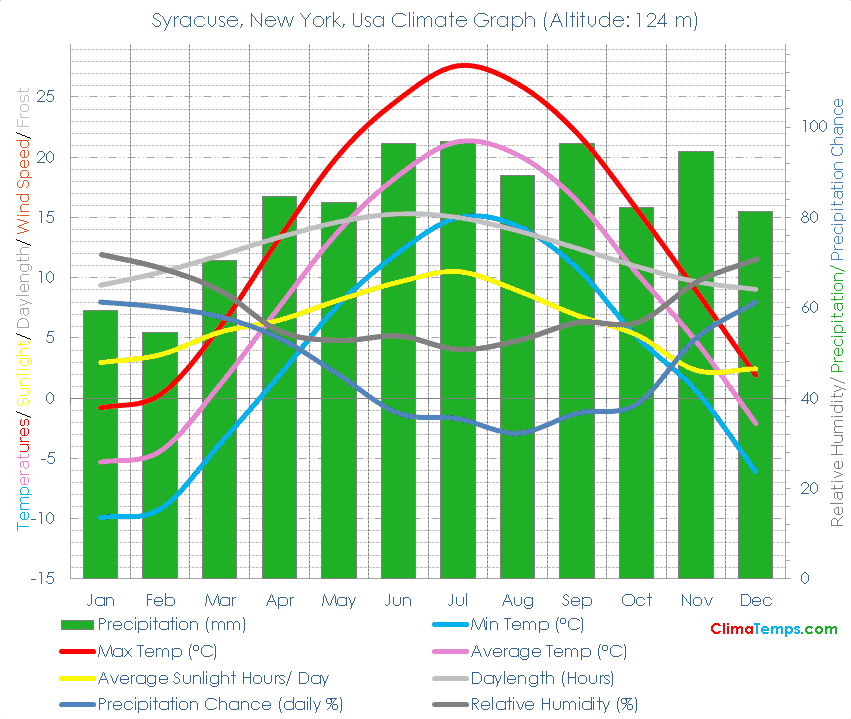
Spring arrives slowly in Central New York. Starting in late April, the snowmelt begins, and the landscape transforms into vibrant greenery. May is arguably the most pleasant month, with daytime temperatures hovering comfortably in the 60s and 70s Fahrenheit. It is a prime time to visit the Rosamond Gifford Zoo or take a leisurely drive through the countryside to see the spring blooms.
The Brilliance of Autumn
Autumn in Syracuse is a sensory experience. Beginning in late September, the leaves throughout Onondaga County begin to turn brilliant shades of orange, red, and gold. The air is crisp and cool, typically ranging from the 40s at night to the 60s during the day. This is the peak season for visiting local apple orchards and wineries near Skaneateles Lake, a stunning body of water that highlights the natural beauty of the region.

Summer Heat and Humidity
Summers in Syracuse are warm, humid, and surprisingly vibrant. While the city is famous for its snow, locals look forward to the summer months as a time to embrace the outdoors fully.
Temperature and Rainfall Patterns
Average high temperatures in July and August typically reach the low 80s Fahrenheit. While heatwaves can occur, they are generally short-lived, and the humidity often breaks with evening thunderstorms. These summer rains are crucial for keeping the local parks, such as Thornden Park, lush and green throughout the season.
Seasonal Events and Outdoor Life
Because the winter months are so cold, summer is a time for celebration. The Great New York State Fair, held just outside the city center, is a massive event that draws thousands of visitors. Other popular warm-weather activities include:
- Hiking the trails at Green Lakes State Park, known for its unique glacial lakes.
- Exploring the Museum of Science and Technology, which provides a cool refuge on warmer days.
- Dining al fresco in the vibrant neighborhood of Armory Square.
Navigating the Weather for Travel Success
Planning a successful trip to Syracuse requires a flexible approach to the weather. Regardless of the time of year, certain tips will help you manage the local climate with ease.
The Importance of Layering
In Syracuse, the weather can change significantly within the span of a single day. A sunny morning in April can quickly turn into a chilly, rainy afternoon. The “layering” rule is the best way to handle this; wearing a base layer, a middle insulating layer, and a top windproof or waterproof layer allows you to adjust your clothing as temperatures fluctuate.
Checking Local Forecasts
Do not rely on national weather apps alone, as they often fail to capture the nuances of lake-effect patterns. Instead, consult local news outlets and the National Weather Service office in Binghamton, which covers the Syracuse area. Paying attention to “travel advisories” during the winter is particularly important, as storms can move in rapidly and impact road conditions on major arteries like Interstate 81.
Choosing the Best Time to Visit
- For Winter Sports: Visit between January and February for the best snow cover at local ski resorts like Labrador Mountain.
- For Foliage and Sightseeing: Visit in early October to capture the peak fall colors.
- For City Culture: Visit in the summer months when the patio culture in Downtown Syracuse is at its peak.
Ultimately, the weather in Syracuse is a reflection of its resilient spirit. Whether you are coming to witness the massive snowfall that defines the city’s winter identity or to enjoy the temperate, lush days of summer, the city provides a welcoming environment for every traveler. By preparing for the fluctuations and embracing the specific charm of each season, you can enjoy a memorable and comfortable stay in this hub of Central New York. From the quiet, snow-covered streets of mid-winter to the bustling, sun-drenched festivals of August, Syracuse invites you to experience its ever-changing and beautiful climate firsthand. Remember that while the forecast is a guide, the true experience of the city is found in how you adapt and engage with the environment around you. Pack your bags for Syracuse with the confidence that you are ready for whatever the sky might bring, and take the time to appreciate the unique atmospheric beauty that makes this city truly one of a kind.
LifeOutOfTheBox is a participant in the Amazon Services LLC Associates Program, an affiliate advertising program designed to provide a means for sites to earn advertising fees by advertising and linking to Amazon.com. Amazon, the Amazon logo, AmazonSupply, and the AmazonSupply logo are trademarks of Amazon.com, Inc. or its affiliates. As an Amazon Associate we earn affiliate commissions from qualifying purchases.