
The Hawaiian Islands are more than just a paradise of white-sand beaches and turquoise waters; they are a geological marvel born from the intense fires of the Earth. To understand when Hawaii formed, one must look deep beneath the surface of the Pacific Ocean to witness a process that has been unfolding for tens of millions of years. This process is not a single event but a continuous, rhythmic dance of tectonic plates and volcanic activity that remains active to this very day.
The Hotspot Theory and Ancient Origins
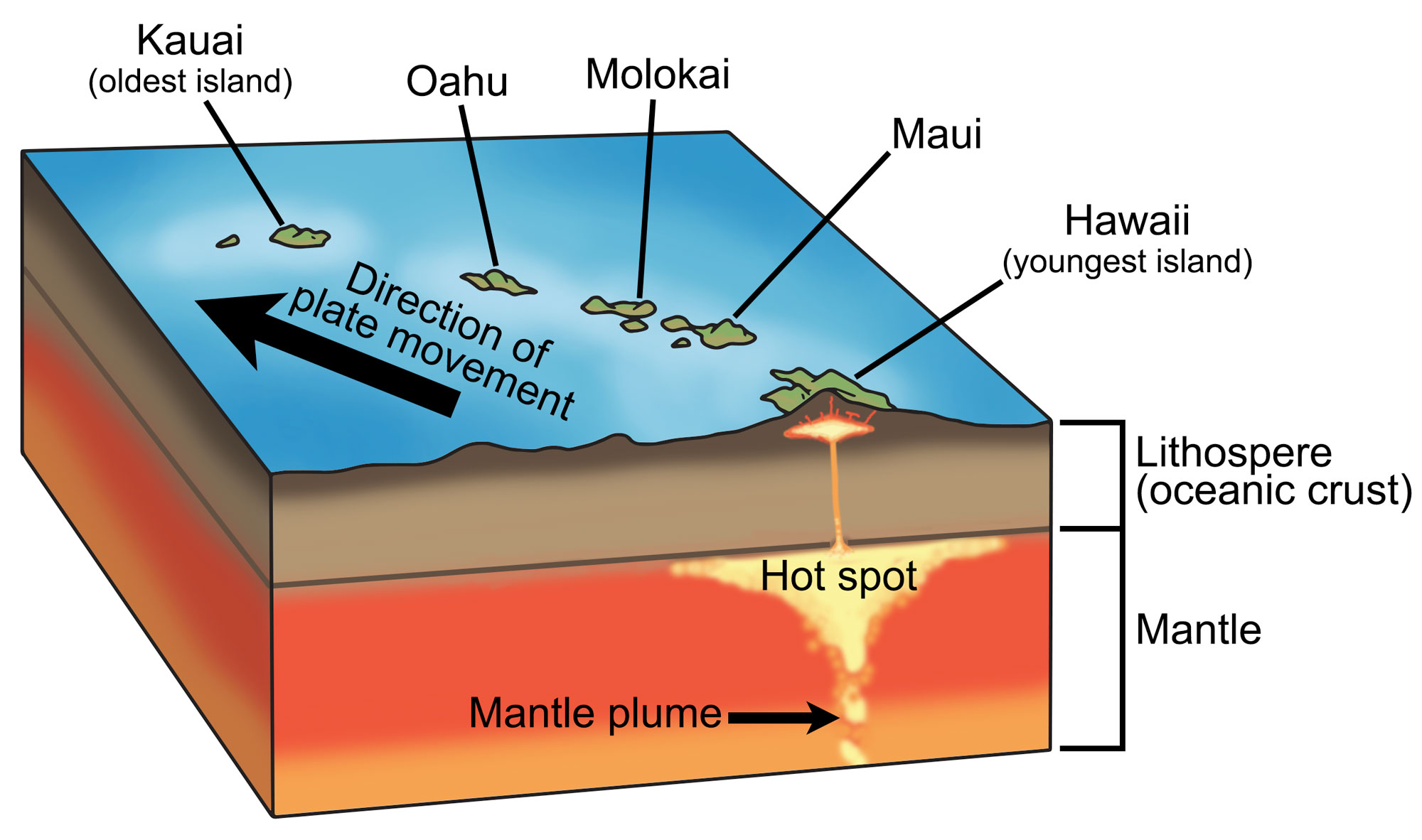
The formation of the Hawaiian archipelago is best explained by the “hotspot” theory. Unlike many islands formed at the edges of tectonic plates, Hawaii sits directly over a stationary plume of superheated magma rising from deep within the Earth’s mantle.

The Pacific Plate’s Journey
As the massive Pacific Plate drifts slowly toward the northwest—moving at roughly the same speed your fingernails grow—it carries older islands away from the heat source. Meanwhile, the hotspot continues to punch through the seafloor, creating new land. This explains why the islands in the northwest, such as Kauai, are the oldest, while the islands in the southeast, specifically the Big Island of Hawaii, are the youngest.
Geological Timelines
The oldest identifiable remnant of this hotspot track is the Emperor Seamounts, which date back roughly 80 million years. However, the formation of the main Hawaiian Islands we recognize today is a much more recent phenomenon in geological terms. Kauai, the oldest of the major islands, began its ascent from the seafloor approximately 5 to 6 million years ago.
The Evolution of the Major Islands
The story of Hawaii is a story of gradual emergence. As the magma breached the ocean surface, it built mountains layer by layer, creating the dramatic terrain that visitors flock to today.
Kauai and Oahu: The Elders
Kauai, often called the “Garden Isle,” has had millions of years for the elements to sculpt its landscape. Deep canyons like Waimea Canyon are the result of eons of erosion following the island’s birth. Similarly, Oahu began forming about 3 to 4 million years ago. The iconic silhouette of Diamond Head is a testament to the island’s volcanic past, formed during a secondary phase of volcanic activity long after the island itself had surfaced.

Maui Nui: A Unified Landmass
Roughly 1.2 million years ago, a massive island complex known as Maui Nui existed. At that time, Maui, Molokai, Lanai, and Kahoolawe were all connected as one single, large island. Over time, rising sea levels and the subsidence of the Pacific Plate caused the channels to flood, carving the collective into the four distinct islands we see on maps today.
The Youngest Land: Ongoing Creation
The process of island formation is far from finished. If you were to travel to the Big Island of Hawaii, you are standing on the most geologically active piece of land in the entire state.
The Birth of the Big Island
The Big Island is a composite of five different volcanoes: Kohala, Mauna Kea, Hualalai, Mauna Loa, and Kilauea. While Kohala is extinct and hasn’t erupted for 60,000 years, Kilauea remains one of the most active volcanoes on the planet. Visitors to Hawaii Volcanoes National Park can witness the very creation of the Earth, where molten lava flows into the sea, cooling instantly to add new acreage to the coastline.
Loihi: The Future Island
Looking toward the future, the next island in the Hawaiian chain is already in its infancy. Kama‘ehuakanaloa (formerly known as Loihi) is a submarine volcano currently growing off the southern coast of the Big Island. Located about 3,000 feet below the surface of the Pacific Ocean, it will likely take another 10,000 to 100,000 years before it breaches the surface to become the next link in the Hawaiian archipelago.
Understanding the Landscape through History
The age of an island dictates its topography, its climate, and its ecology. When travelers visit Hawaii, they are essentially walking through a time machine of geological eras.
Erosion and Vegetation
Younger islands like the Big Island feature harsh, jagged lava fields and dramatic volcanic craters. Conversely, older islands like Kauai boast lush, weathered ridges and deep valleys. The progression of time allows for the breakdown of volcanic rock into fertile soil, which in turn supports the rich, tropical rainforests that define the North Shore and other windward regions.
A Living Laboratory
Scientists look at Hawaii as a living laboratory. By studying the ages of the various islands, researchers can track how life colonizes barren rock. From the first seeds carried by the wind or water to the complex ecosystems that exist today, the Hawaiian Islands demonstrate the incredible resilience of nature.
When you stand on the black sand beaches of Punaluu or look out from the cliffs of the Na Pali Coast, remember that you are witnessing the result of a process that began millions of years ago. Hawaii is not static; it is a dynamic, shifting masterpiece of geological art that continues to grow, change, and shape the face of our Planet. Whether you are exploring the volcanic heart of Hawaii Volcanoes National Park or enjoying the serene beaches of Waikiki, you are participating in a story that began in the depths of the Earth and continues into the future.
LifeOutOfTheBox is a participant in the Amazon Services LLC Associates Program, an affiliate advertising program designed to provide a means for sites to earn advertising fees by advertising and linking to Amazon.com. Amazon, the Amazon logo, AmazonSupply, and the AmazonSupply logo are trademarks of Amazon.com, Inc. or its affiliates. As an Amazon Associate we earn affiliate commissions from qualifying purchases.