
For travelers planning an escape to the middle of the Pacific, understanding the climate is the first step toward a perfect itinerary. Hawaii is often marketed as a land of eternal spring, but its unique geography—marked by dramatic elevation changes and windward-leeward dynamics—creates a surprisingly varied range of temperatures. Whether you are looking to surf in Oahu, hike through the lush landscapes of Kauai, or explore the volcanic terrain of the Big Island, knowing what to expect from the thermometer is essential for packing and planning.
The Seasonal Nuance: Summer Versus Winter
Unlike the dramatic shifts seen in continental climates, the temperature variance in Hawaii is remarkably subtle. Residents and frequent visitors often categorize the year into two seasons: kau wela (summer) and hooilo (winter).
Summer Temperatures
During the summer months, which typically run from May through October, average daytime temperatures hover comfortably between 80°F and 88°F (27°C–31°C). The humidity levels rise slightly during this time, particularly in July and August, but the consistent trade winds—the naulu—provide a natural, cooling breeze that prevents the heat from becoming oppressive. This is the optimal time for those seeking warmer ocean temperatures, as the Pacific waters reach their peak warmth, often hitting 80°F (27°C).
Winter Temperatures
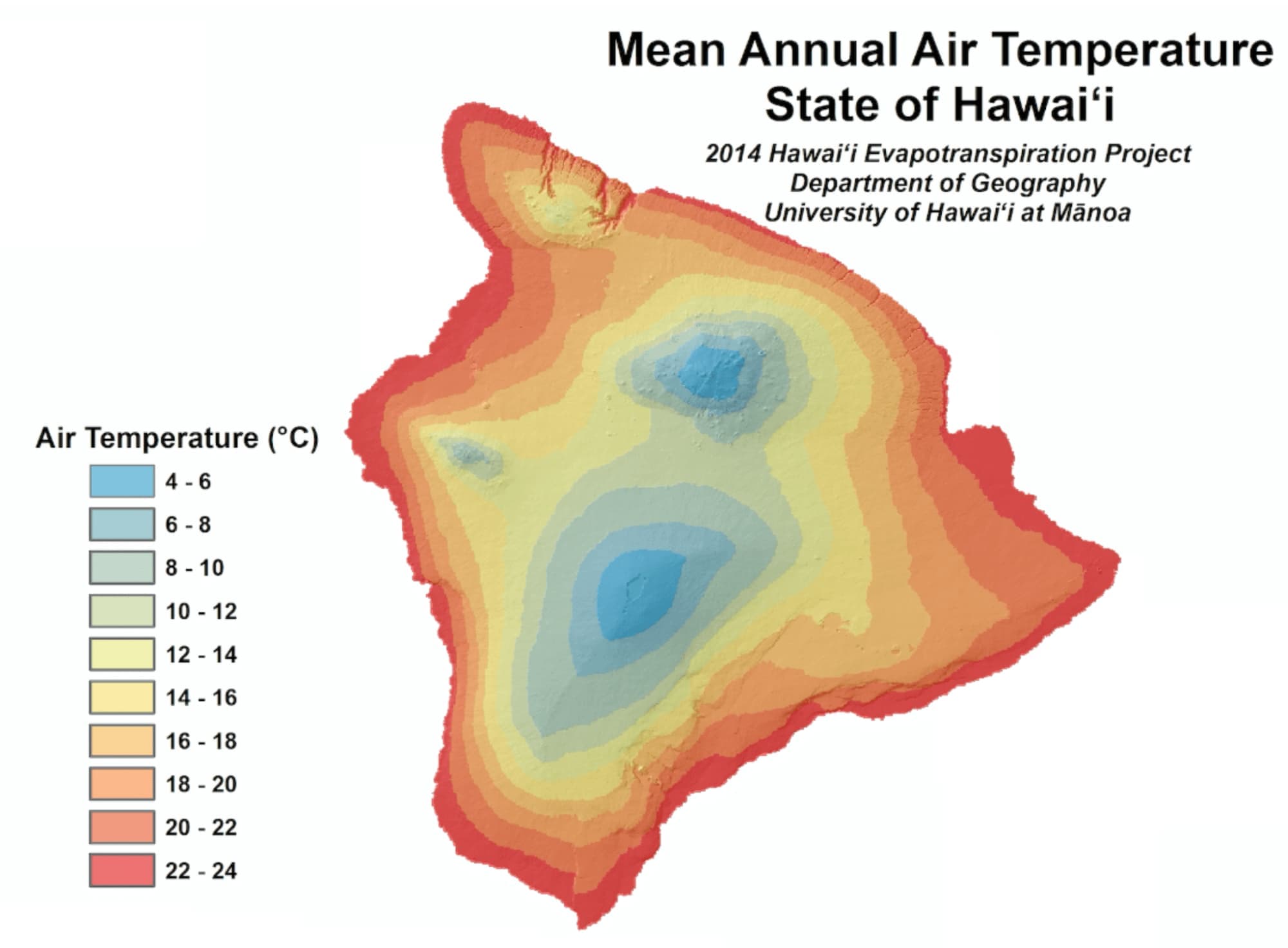
The winter season, extending from November to April, brings cooler air and increased rainfall. Daytime highs usually settle between 75°F and 82°F (24°C–28°C), while overnight lows can dip into the mid-60s°F (18°C–20°C). While these temperatures are considered mild by global standards, visitors should be prepared for the cooling effect of higher elevations. If your plans include visiting Haleakala National Park on Maui or the summit of Mauna Kea, you will encounter temperatures significantly lower than those found on the coast. In fact, it is not uncommon for the summit of Mauna Kea to reach freezing levels, even in the middle of a tropical winter.
Geographical Variation: The Rain Shadow Effect
One of the most fascinating aspects of travel in Hawaii is how quickly the temperature and weather can change based on your location on an island. This is primarily dictated by the islands’ volcanic topography and the prevailing northeasterly trade winds.

Windward Versus Leeward Sides
The windward sides of the islands—those facing the incoming trade winds—tend to be cooler, cloudier, and significantly wetter. Lush regions such as the Hana district on Maui or the North Shore of Oahu benefit from frequent rainfall, which keeps the ambient air temperature lower.
In contrast, the leeward sides, such as the Kona coast of the Big Island or the Wailea region on Maui, are shielded by high mountains. These areas experience the “rain shadow” effect, resulting in sunnier skies and warmer, drier conditions. If you are chasing a beach day with temperatures consistently near the 85°F mark, the leeward side of any island is your best bet.
Microclimates and Elevation
Elevation is the great equalizer in the islands. For every 1,000 feet of elevation gain, the temperature drops by approximately 3 to 4 degrees Fahrenheit. This explains why towns located in the “upcountry” regions, such as Makawao on Maui or Waimea on the Big Island, maintain a cool, misty climate year-round. Travelers spending their mornings at the beach and their afternoons exploring the mountainous interior should always pack a light sweater or a windbreaker, as the shift in temperature can be drastic and sudden.
Optimal Travel Windows and Climate Considerations
While the “average” temperature in Hawaii is nearly ideal, your experience will depend on the specific type of trip you are taking.
Humidity and Comfort
Humidity is the silent partner to temperature. While the coastal areas are tempered by ocean breezes, inland valleys and dense tropical forests can feel more humid. During the peak of summer, specifically in August and September, the dew point can rise, making the air feel slightly heavier. However, because the temperatures rarely spike into dangerous heat levels, most travelers find the humidity manageable, especially when staying in well-ventilated accommodations near the ocean.
Ocean Temperatures and Activities
For those interested in snorkeling, scuba diving, or surfing, ocean temperature is just as important as air temperature. The waters surrounding Hawaii are remarkably stable. Even in the coldest months of February and March, the water temperature rarely dips below 74°F (23°C). In late summer and early autumn, the water reaches a pleasant 80°F to 82°F (27°C–28°C). This stability makes the islands a year-round destination for water sports. If you are visiting Waikiki Beach or the Molokini Crater, you will find the water conditions consistently inviting.

Packing for Tropical Variability
Because the temperature can fluctuate by as much as 20 degrees between sea level and high-altitude hiking trails, the “layering” method is essential.
- Lightweight Fabrics: For daily wear in places like Honolulu or Hilo, focus on breathable linens and moisture-wicking synthetic blends.
- The “Upcountry” Layer: If you plan on visiting Volcanoes National Park, a mid-weight fleece or a waterproof rain shell is non-negotiable. The weather at higher elevations is notoriously unpredictable and can turn from sunny to rainy in minutes.
- Footwear: Keep in mind that temperature also affects your choice of footwear. Higher, cooler elevations often have muddy trails, necessitating sturdy hiking boots, whereas coastal paths are perfect for sandals or light walking shoes.
Ultimately, Hawaii remains one of the few places on earth where you can start your day shivering at a volcanic summit and end it basking in the warmth of a tropical sunset. By understanding these subtle climate patterns—the trade winds, the elevation dips, and the leeward sunshine—you can curate an itinerary that balances adventure with comfort. Whether you are exploring the historical charm of Lahaina or the rugged cliffs of the Na Pali Coast, the islands offer a temperate paradise that welcomes visitors throughout every month of the year.
LifeOutOfTheBox is a participant in the Amazon Services LLC Associates Program, an affiliate advertising program designed to provide a means for sites to earn advertising fees by advertising and linking to Amazon.com. Amazon, the Amazon logo, AmazonSupply, and the AmazonSupply logo are trademarks of Amazon.com, Inc. or its affiliates. As an Amazon Associate we earn affiliate commissions from qualifying purchases.