
The genesis of New York City is not the work of a single visionary, but rather the result of a turbulent, centuries-long collision of cultures, commerce, and colonial ambition. To understand who “created” the city, one must look past the modern skyline of Manhattan and delve into the indigenous roots, the Dutch mercantile spirit, and the British imperial expansion that laid the bedrock for the world’s most iconic metropolis.
The Indigenous Foundation: Lenapehoking
Long before the first European sails appeared on the horizon, the land that would become New York City was known as Lenapehoking. It was the ancestral home of the Lenape people, a sophisticated society that thrived in harmony with the local geography. They managed the tidal estuaries, forests, and abundant waterways that made the region a natural crossroads.

Stewardship and Ecology
The Lenape were not merely inhabitants; they were architects of the landscape. They utilized controlled burns to maintain park-like forests and built extensive shell middens—vast piles of oyster shells—that protected the shoreline and provided a sustainable food source. When we speak of the creation of the city, we must acknowledge that the very topography of the Five Boroughs was shaped by indigenous land management techniques that facilitated travel and resource gathering centuries before the first stone of the Brooklyn Bridge was laid.
The Dutch Arrival and the Myth of the Purchase
The formal history of New York as a European-settled entity began with the Dutch West India Company. In 1624, they established a trading post at the southern tip of Manhattan, driven by the lucrative global fur trade. Two years later, Peter Minuit, the Director of the New Netherland colony, allegedly orchestrated the “purchase” of the island from the local Lenape for sixty guilders’ worth of trade goods.
The Mercantile Blueprint
This exchange is a centerpiece of local historical lore, though it is now widely understood that the concept of “buying” the land was fundamentally incompatible with indigenous views on territorial stewardship. Regardless of the ethics, the Dutch imprint was transformative. They established the grid-defying, winding streets of Lower Manhattan, a layout that still persists today in the Financial District. They named the settlement New Amsterdam, envisioning a commercial hub modeled after their own capital, Amsterdam.
The Dutch introduced the principles of religious tolerance and multi-ethnic trade that would define the city’s identity. Because the colony was a corporate venture rather than a religious mission, the settlers prioritized profit and pragmatism. This commercial DNA remains one of the most significant contributions to the “creation” of the city; it established New York as a place where the pursuit of prosperity was the primary social contract.
The British Takeover and the Birth of New York

In 1664, an English fleet sailed into the harbor, forcing Peter Stuyvesant, the last Dutch Director-General, to surrender the colony without a shot being fired. King Charles II gifted the territory to his brother, the Duke of York, and the city was promptly renamed New York.
From Trading Post to Global Power
Under British rule, the city’s role shifted from a peripheral trading post to a vital imperial port. The British expanded the city’s infrastructure, solidified its legal codes, and integrated it into the global maritime networks of the British Empire. It was during this period that the city’s physical growth began to outpace its initial boundaries. The harbor, one of the finest natural deep-water ports in the world, became the engine of the city’s growth.
The British era also saw the rise of the social and economic elite whose influence would culminate in the city’s role as a major center during the American Revolution. Landmarks like Fraunces Tavern serve as monuments to this transformative transition, where the city moved from being a colonial asset to becoming the birthplace of a new nation.
The Architects of Modernity: Infrastructure and Vision
While colonial powers provided the location, the modern creation of New York was fueled by the visionaries of the 19th and 20th centuries. The Commissioners’ Plan of 1811 is arguably the most decisive act in the city’s construction. This plan imposed a rigorous, orderly grid system on the entirety of Manhattan above Houston Street, setting the stage for explosive real estate development and the vertical ambition that would later define the city.
The Rise of the Skyscraper
The late 19th century witnessed the rise of industrial giants and architectural pioneers who literally reached for the clouds. Visionaries like the architects of the Empire State Building and the Chrysler Building did not just build structures; they created an architectural language of power, hope, and resilience.
Simultaneously, the development of public works projects, such as the creation of Central Park by Frederick Law Olmsted and Calvert Vaux, proved that the city was not merely a collection of concrete blocks but a living, breathing environment. These creators realized that a great city required communal spaces that balanced the frenetic pace of urban life.
The Collective Soul of the City
Ultimately, the creator of New York City is its people. It is a city built by successive waves of immigrants—from the Irish who escaped the famine and the Italians seeking a new life, to the millions of people from Puerto Rico, China, Dominican Republic, and beyond, who arrived at Ellis Island with nothing but their ambition.
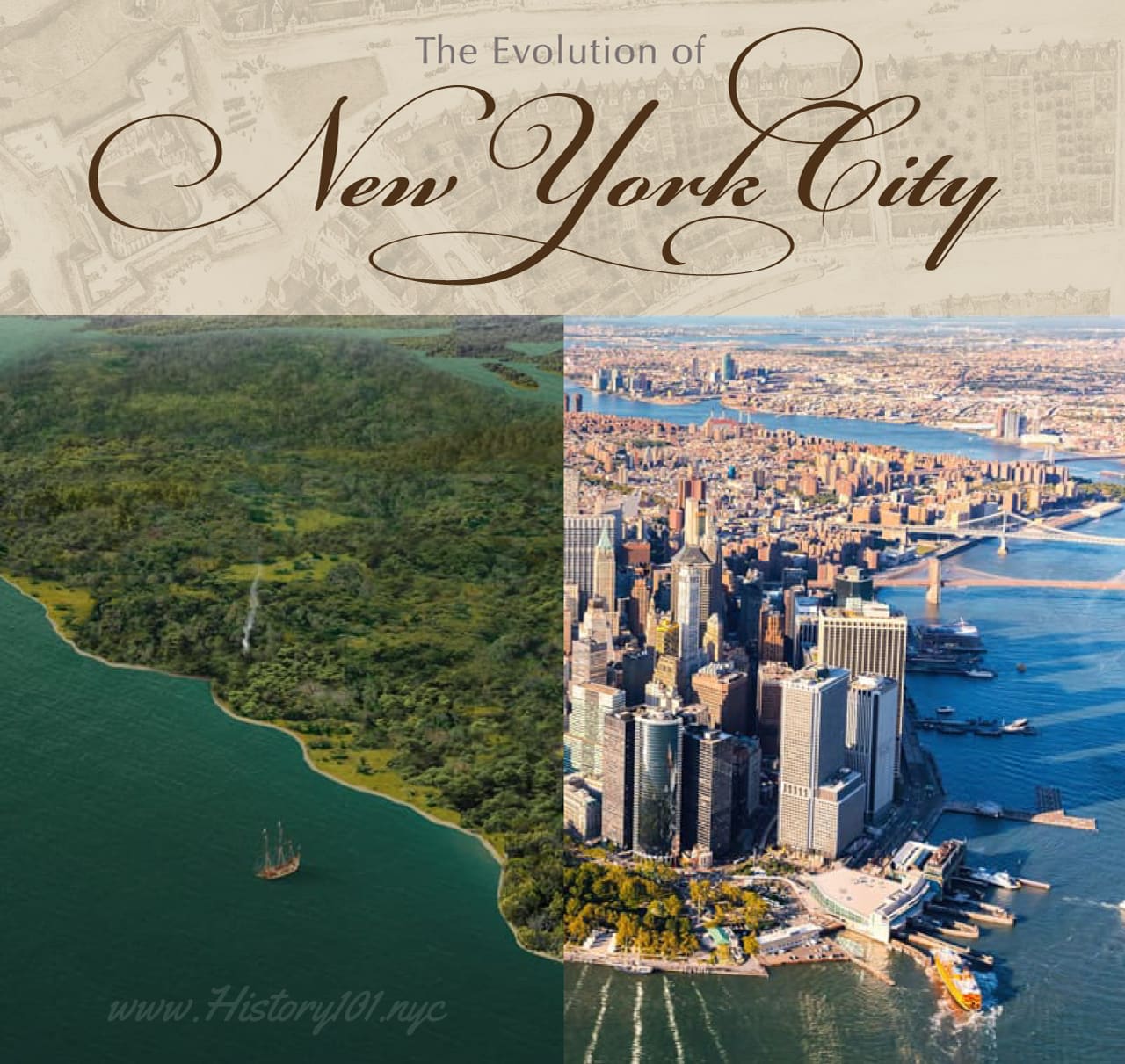
A Perpetual Work in Progress
New York is an iterative project. Every generation tears down the old to build the new, leaving layers of history stacked upon one another. Whether it is the vibrant cultural shifts in Harlem, the artistic resurgence of SoHo, or the constant evolution of Times Square, the city is never “finished.”
The identity of New York—its brashness, its speed, and its unyielding diversity—is the collective result of every person who decided to make it their home. It is a city created by the compromise between the natural landscape, the greed of the mercantilists, the discipline of the planners, and the sheer, relentless willpower of the millions who traverse the streets of The Bronx, Queens, Staten Island, Brooklyn, and Manhattan every single day. The true creator of New York is not a name found in a history book, but the spirit of the city itself, which demands reinvention at every turn.
LifeOutOfTheBox is a participant in the Amazon Services LLC Associates Program, an affiliate advertising program designed to provide a means for sites to earn advertising fees by advertising and linking to Amazon.com. Amazon, the Amazon logo, AmazonSupply, and the AmazonSupply logo are trademarks of Amazon.com, Inc. or its affiliates. As an Amazon Associate we earn affiliate commissions from qualifying purchases.