
Understanding the atmospheric personality of New York is essential for any traveler planning an itinerary in this bustling metropolis. Unlike regions with consistent climates, this city experiences four distinct seasons, each offering a vastly different experience for visitors. From the biting chill of a snowy January in Central Park to the humid, energy-filled afternoons of an August walk through Times Square, the weather here is a defining feature of the local lifestyle and tourism experience.
The Seasonal Transition: A Guide to Packing
To navigate the weather in New York City effectively, travelers must embrace the art of layering. Because the city is built on an island geography, it is influenced by the surrounding Atlantic Ocean, which can lead to rapid shifts in temperature and unexpected precipitation.
Winter: The Frigid Charm
Winter, typically spanning from December through early March, brings cold temperatures and the frequent threat of snow. While the mercury often dips below freezing, the city remains vibrant. Many visitors brave the cold to see the Rockefeller Center holiday lights or to enjoy ice skating at Bryant Park. For those visiting during this period, thermal base layers, a high-quality wool coat, and waterproof boots are non-negotiable. While snowstorms can sometimes disrupt travel, they often transform the Brooklyn Bridge into a picturesque, snow-dusted landscape that is a dream for photographers.
Spring: The City in Bloom
Spring, occurring from April to June, is arguably the most pleasant time to visit. Temperatures are mild, typically ranging from 50°F to 70°F (10°C to 21°C). During this window, The High Line becomes a lush green corridor, and Botanical Garden sites across the five boroughs begin to flourish. It is a season of transition; one day may bring a cool breeze off the Hudson River, while the next feels like a preview of summer. Packing a light jacket and comfortable walking shoes is ideal, as this is the best time of year to traverse the concrete canyons on foot.
Summer and Autumn: Heatwaves and Golden Hours
Summer in United States urban hubs can be intense, and New York is no exception. By July, the “urban heat island” effect takes hold, making city streets feel significantly warmer than the surrounding suburbs.
Thriving in the Summer Humidity
Summer temperatures frequently climb above 85°F (29°C), accompanied by high humidity. This is the time when the city moves indoors to air-conditioned havens like the Metropolitan Museum of Art or seeks refuge on the breezy ferries crossing the East River. Travelers should prioritize breathable fabrics and stay hydrated. Despite the heat, summer is a period of immense energy, with open-air concerts at Prospect Park and bustling dining scenes in Greenwich Village.
The Golden Perfection of Autumn
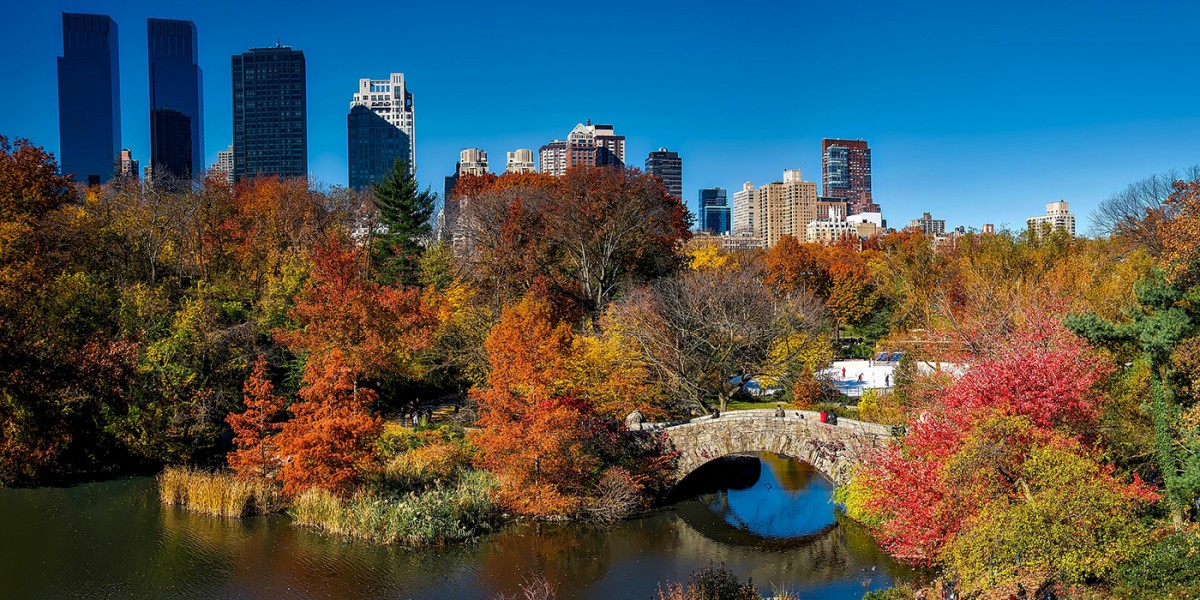
September through November represents the “Goldilocks” phase of the local climate. The oppressive humidity of August dissipates, replaced by crisp, clear days and cool, refreshing nights. The foliage in Washington Square Park begins to turn, providing a stunning backdrop for outdoor dining and walking tours. Temperatures generally hold steady between 55°F and 75°F (13°C to 24°C), making it the perfect season for exploring the distinct architecture of SoHo or visiting the Statue of Liberty.
Meteorological Patterns and Travel Preparedness
Beyond the seasonal averages, visitors should understand the localized patterns that define the city’s weather. Weather reporting in this region often highlights the difference between the “feels-like” temperature—impacted by wind chill in the winter and the heat index in the summer—and the actual thermometer reading.
Navigating Wind and Precipitation
Because of the density of skyscrapers in Midtown Manhattan, wind tunnels are common. These gusts can make a 40°F (4°C) day feel significantly colder. Conversely, summer thunderstorms are a staple of the Northeast region. These are often brief but intense, clearing the air and cooling the streets for a few hours.
Essential Planning Tips
- Check the Forecast: Utilize local weather apps that account for the Manhattan microclimates.
- Footwear: Ensure your footwear is suited for long distances. Even in rainy weather, public transit remains the preferred method of travel, meaning you will inevitably be doing a significant amount of walking.
- Versatility: Regardless of the time of year, carry a small, portable umbrella. New York weather is famously fickle, and the ability to duck into a shop or a cafe like those found near Wall Street is a hallmark of the local experience.

Why Climate Influences the New York Experience
The weather is not just a backdrop to the New York experience; it is an active participant in how the city functions. In the heat of summer, the rooftop bars of Williamsburg become the center of social life. In the chill of winter, the focus shifts to the cozy, candlelit bistros of West Village.
By aligning your travel expectations with the seasonal realities, you can better appreciate the rhythm of the city. If you prioritize outdoor activities, aim for the shoulder months of late spring or early autumn. If you are interested in the theater, shopping, and the festive atmosphere of the holidays, the winter months offer a unique, bustling energy that is unmatched anywhere else in the world.
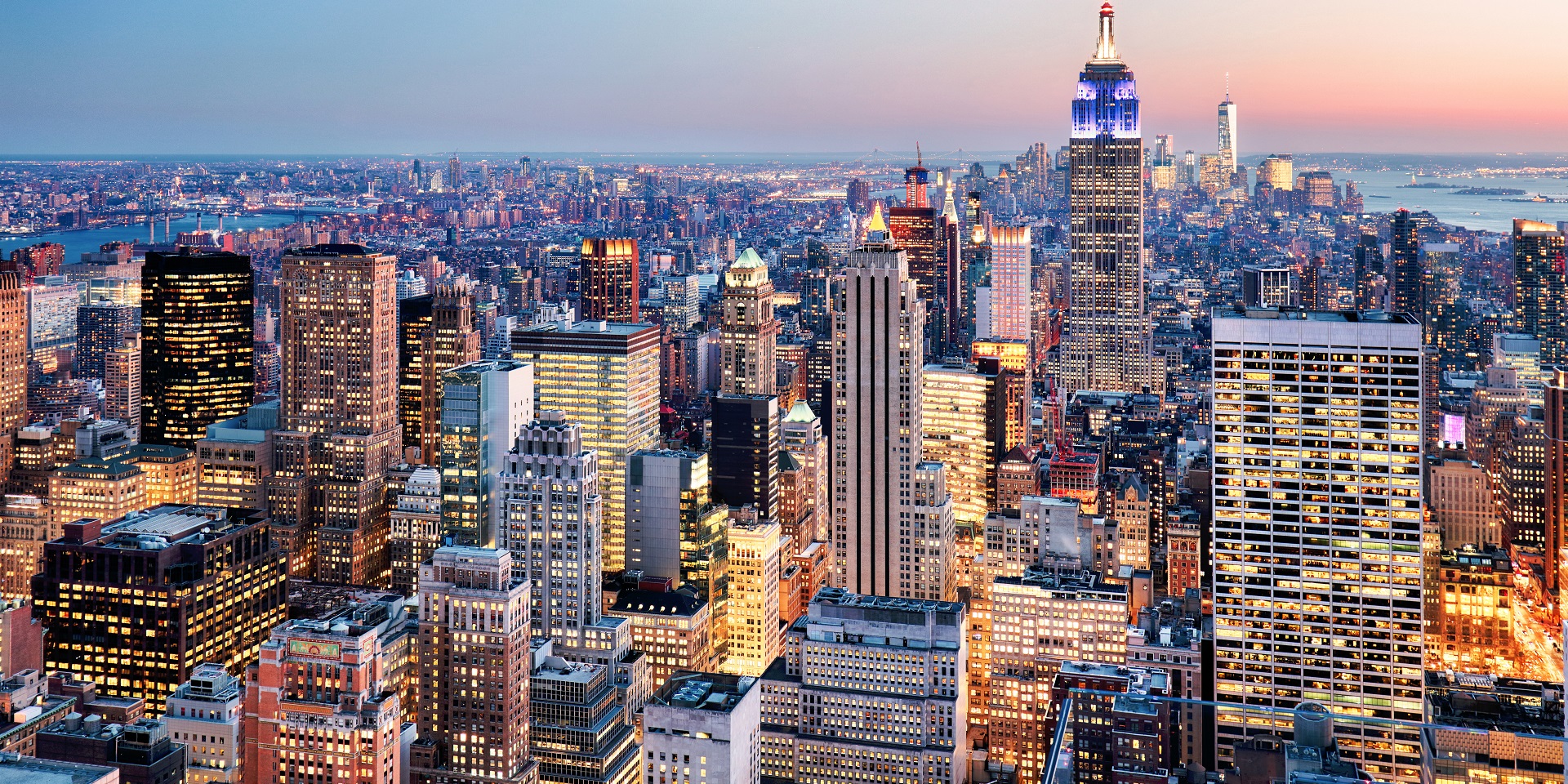
Whether you are staring up at the Empire State Building under a crystal-clear blue sky or watching the rain streak the windows of a yellow cab as it navigates Fifth Avenue, understanding the weather allows you to move through the city with the confidence of a local. New York remains one of the few places on earth that is equally beautiful in the biting cold as it is in the sweltering heat, provided you are prepared for the elements.
When you plan your visit, consider not just the sights you wish to see, but the climate you wish to experience. By choosing the right season, you can ensure that your time in this iconic destination is defined by comfort and discovery, allowing the weather to enhance your memories rather than dictate your limitations. The city’s ability to reinvent itself with every change in the barometer is perhaps one of the most compelling reasons to keep returning, season after season, to discover a new version of the urban landscape.
LifeOutOfTheBox is a participant in the Amazon Services LLC Associates Program, an affiliate advertising program designed to provide a means for sites to earn advertising fees by advertising and linking to Amazon.com. Amazon, the Amazon logo, AmazonSupply, and the AmazonSupply logo are trademarks of Amazon.com, Inc. or its affiliates. As an Amazon Associate we earn affiliate commissions from qualifying purchases.