
Traveling between the sunny, sprawling metropolis of Los Angeles and the rain-kissed, mountainous backdrop of Seattle is a journey that captures the essence of the United States West Coast. Spanning approximately 1,135 miles—or roughly 1,827 kilometers—by road, this route is more than just a commute; it is a transition through diverse ecosystems, climates, and cultural landscapes. Whether you are seeking a fast-paced aerial connection or a scenic road trip along the Pacific Ocean, understanding the distance and the nature of this transit is key to planning your perfect excursion.
Navigating the West Coast Corridor
When considering the distance between these two major hubs, travelers must choose between speed and immersion. The physical distance remains constant, but the “perceived” distance changes significantly based on the mode of transport.
The Aerial Route: Efficiency and Speed
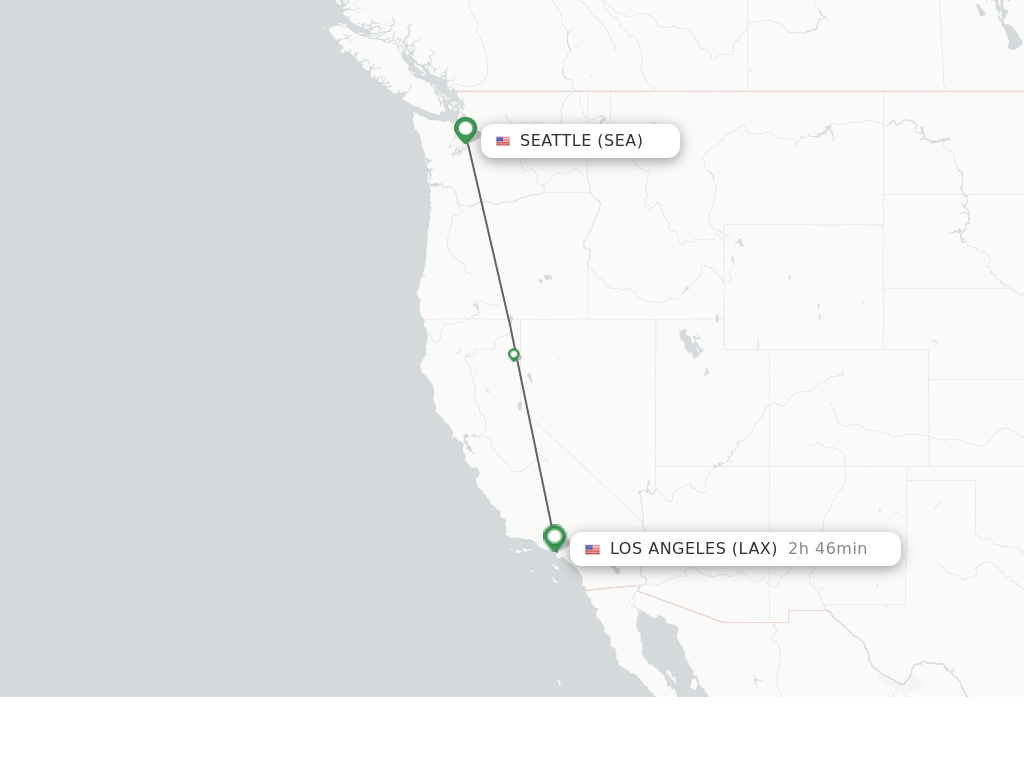
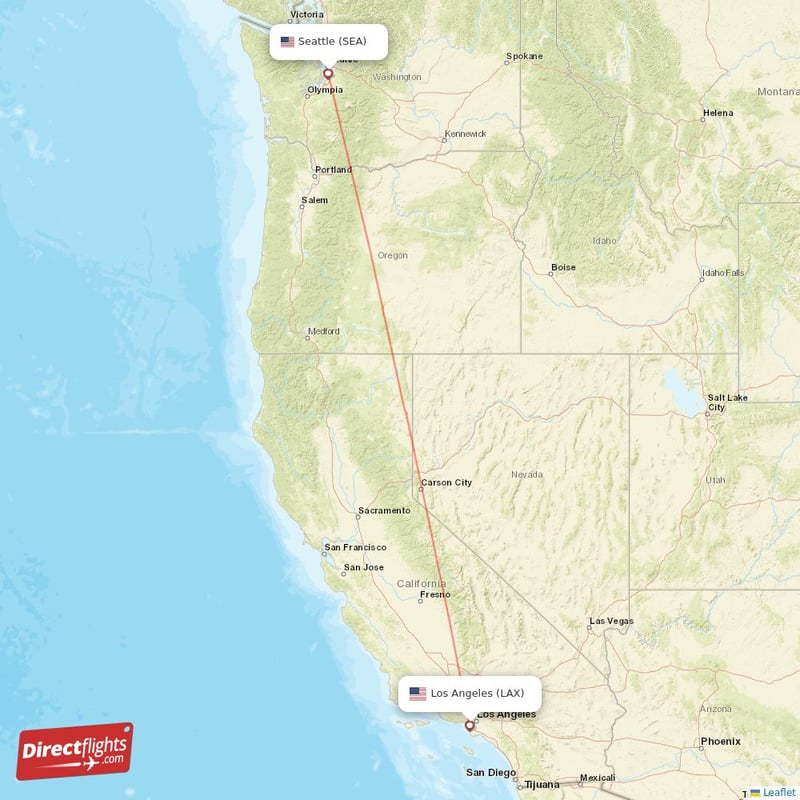
For those on a business schedule or seeking to maximize time in either city, flying is the most logical option. Non-stop flights between Los Angeles International Airport and Seattle-Tacoma International Airport typically take between two and a half to three hours. Covering the flight path over the Sierra Nevada and the rugged Cascade Range, air travel offers a bird’s-eye view of the vast wilderness that separates these two urban centers. It is the gold standard for convenience, effectively shrinking the geography into a minor logistical hurdle.
The Road Trip: Embracing the Interstate
Driving from southern California to the Pacific Northwest is a rite of passage for many travelers. If you take the direct route via Interstate 5, you are looking at approximately 17 to 20 hours of pure driving time, depending on traffic in major metropolitan areas like Sacramento, Portland, and Eugene. This route is the fastest ground option, cutting straight through the agricultural heart of the Central Valley. While it provides the quickest transit, it lacks the dramatic coastal vistas that make a West Coast road trip truly iconic.
Strategic Route Planning and Regional Transitions
Traveling from the warmth of Southern California to the lush greenery of Washington is a study in environmental change. The transition from the semi-arid, Mediterranean climate of Santa Monica to the temperate rainforest zones of the north is breathtaking.
The Coastal Path: Highway 101
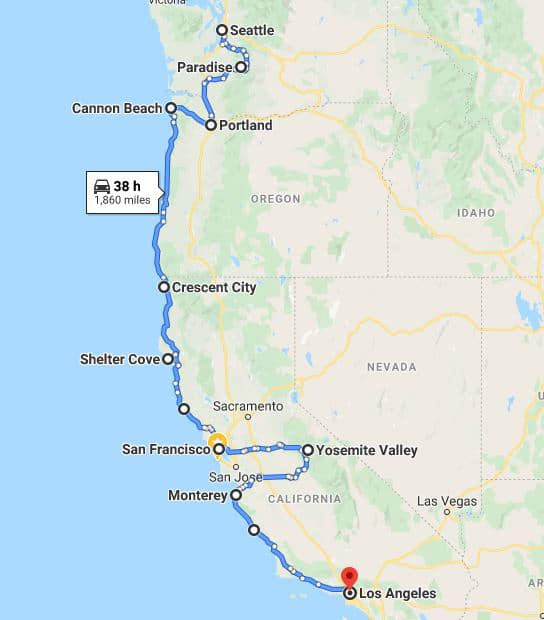
For the traveler who prioritizes scenery over speed, opting for U.S. Route 101 is the superior choice. Though this route adds significant time to your journey—often turning a one-day drive into a three-to-four-day expedition—it introduces you to the natural wonders of the coast. You will pass through the towering redwoods of Northern California, the dramatic cliffs of the Oregon coast, and the pristine wilderness of the Olympic Peninsula.
Essential Stopovers
Breaking the 1,100-mile stretch into manageable segments is recommended to avoid fatigue. Several key locations offer ideal resting points:
- San Francisco: A perfect halfway point for those taking the coastal route, offering world-class dining and cultural landmarks like the Golden Gate Bridge.
- Redwood National Park: A majestic place to stretch your legs among the tallest trees on Earth.
- Cannon Beach: Famous for its stunning rock formations and the iconic Haystack Rock, this is an essential stop before entering the final stretch toward the Puget Sound.
Logistical Considerations for the Long Haul
Distance is not merely measured in miles; it is measured in preparation. Traveling across state lines involves navigating different traffic patterns, varying fuel costs, and ever-changing weather conditions.
Weather Patterns and Seasonal Travel
If you are planning your trip during the winter months, be aware that the mountain passes in Oregon and Washington can be treacherous. Snow chains may be required, and visibility can decrease rapidly. Conversely, summer travel offers the best road conditions but requires vigilance regarding heat levels in the interior regions of California. Always check the Department of Transportation advisories for the specific states on your route before departure.
Transportation Alternatives
Beyond the private vehicle or commercial airline, there are other ways to bridge the gap between Los Angeles and Seattle:
- Amtrak Trains: Taking the Coast Starlight line is a romanticized, slow-travel experience. It traverses some of the most beautiful terrain in the country, providing views that are entirely inaccessible by highway. While it takes significantly longer—often over 30 hours—the comfort of the observation car and the ability to sleep while moving makes it a favorite among leisure travelers.
- Long-Distance Bus Services: Often the most budget-friendly, companies like Greyhound provide a reliable, if less glamorous, way to connect the two cities. This is best suited for those looking to save money while traversing the Western United States.
Maximizing the Experience
The journey from the “City of Angels” to the “Emerald City” is one of the most rewarding transits in North America. Whether you are watching the Hollywood Sign fade into the distance or anticipating your first cup of coffee at Pike Place Market, the distance traveled is an opportunity to witness the shifting identity of the American West.
To make the most of this distance, travelers should prioritize their “why.” Are you driving to see the Space Needle? Are you flying to catch a business meeting? Or are you simply looking to embrace the open road? By aligning your choice of transport with your personal goals, the 1,135-mile gap becomes an invitation rather than an obstacle. Pack appropriately for the transition from sunny beaches to misty forests, ensure your vehicle is serviced for the varied terrain, and take the time to appreciate the changing topography. Regardless of how you choose to cover the distance, the contrast between California and Washington provides a travel narrative that stays with you long after you arrive at your destination.
LifeOutOfTheBox is a participant in the Amazon Services LLC Associates Program, an affiliate advertising program designed to provide a means for sites to earn advertising fees by advertising and linking to Amazon.com. Amazon, the Amazon logo, AmazonSupply, and the AmazonSupply logo are trademarks of Amazon.com, Inc. or its affiliates. As an Amazon Associate we earn affiliate commissions from qualifying purchases.