
Traveling from the bustling urban canyons of New York to the sun-drenched, palm-lined avenues of Miami is a classic American journey. As you transition from the sophisticated, fast-paced rhythm of the Northeast to the vibrant, tropical pulse of the Southeast, the distance you cover is not merely measured in miles, but in shifts of climate, culture, and coastal personality. Understanding the logistics of this trip—whether by air, land, or rail—is essential for planning the perfect escape from the Big Apple to the Magic City.
Navigating the Distance: Geography and Travel Time
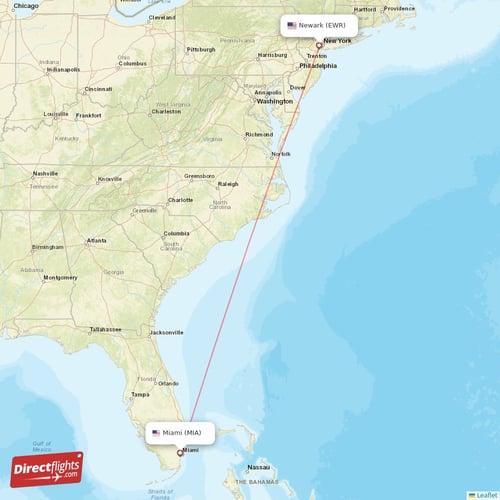
The straight-line distance between New York City and Miami is approximately 1,090 miles (1,750 kilometers). However, the actual travel distance depends heavily on your chosen mode of transport and the route you decide to take.
The Aerial Shortcut
For most travelers, the sky is the preferred bridge between these two iconic American metropolises. A non-stop flight typically covers the distance in roughly 2.5 to 3 hours. Departing from major hubs like John F. Kennedy International Airport, LaGuardia Airport, or Newark Liberty International Airport, you can land at Miami International Airport or Fort Lauderdale-Hollywood International Airport by midday, even with an early morning departure. This efficiency makes a weekend getaway to the Atlantic Ocean coastline entirely feasible.
The Great American Road Trip
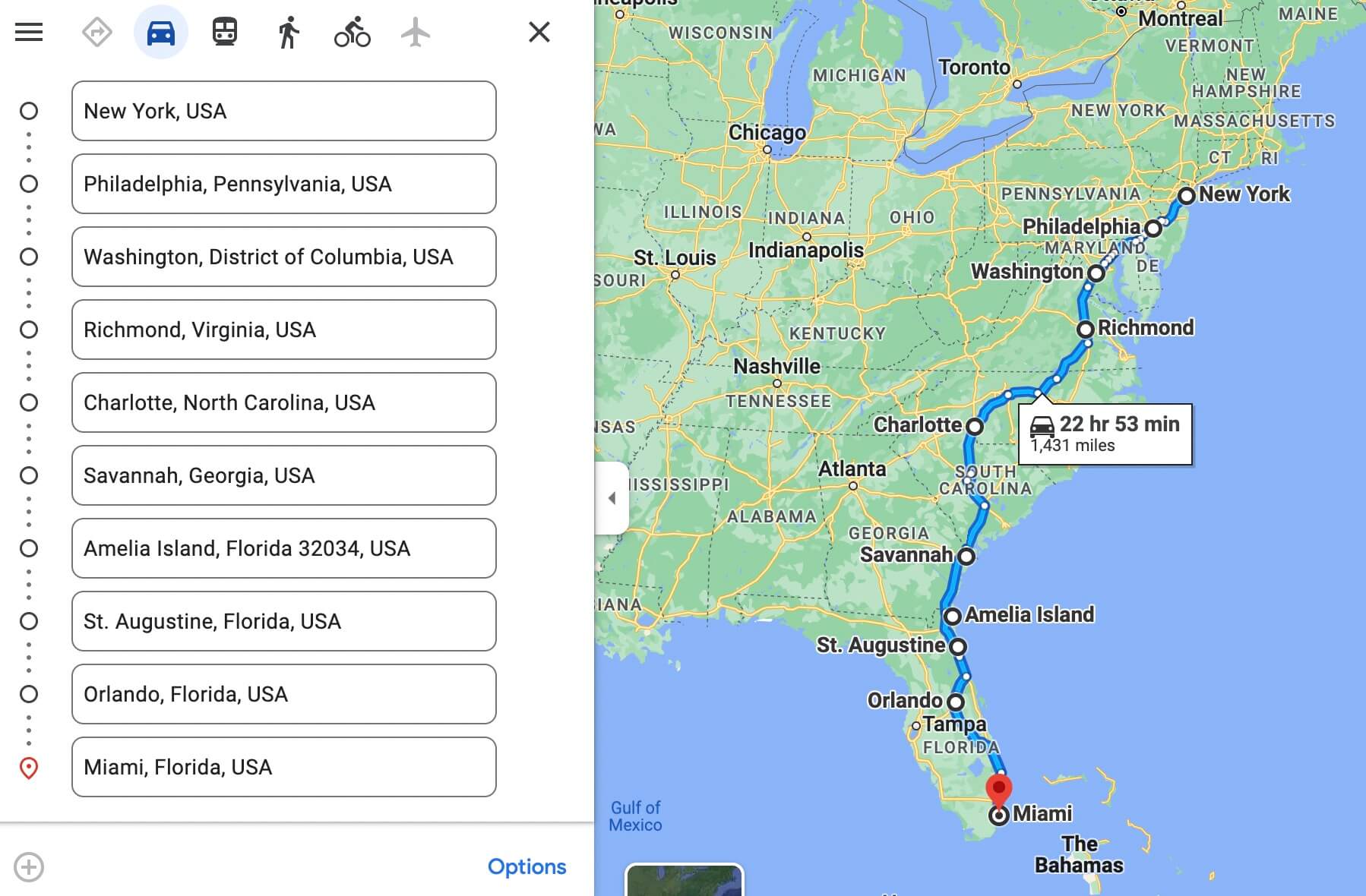
Driving from Manhattan to South Florida is a rite of passage for many travelers. Spanning roughly 1,280 miles via Interstate 95, the drive is an endurance test that rewards you with changing scenery. Without significant traffic or stops, the journey usually requires 18 to 20 hours of pure driving time. Most road-trippers, however, opt to stretch the journey over two or three days, stopping in historic cities like Charleston, Savannah, or Richmond to break up the monotonous stretch of the Eastern Seaboard.
Modes of Transit: Balancing Comfort and Cost
Choosing how to traverse these 1,000-plus miles requires weighing time against the desire for a scenic experience. Each transit option offers a distinct perspective on the landscape of the United States.
Rail Travel with Amtrak
For those who prefer to keep their feet on the ground but want to avoid the stress of highway driving, Amtrak offers the Silver Meteor and Silver Star lines. These trains depart from Penn Station and provide a classic rail experience down the coast. The trip takes approximately 24 to 28 hours. While longer than a flight, the train offers a unique vantage point of the changing geography, from the industrial corridors of New Jersey and Maryland to the lush, marshy vistas of the Carolinas. It is a slower, more contemplative way to arrive at your destination.

Bus Travel and Regional Transit
Intercity bus lines provide the most budget-friendly, albeit least comfortable, method of travel. Covering the same I-95 corridor as personal vehicles, bus routes can often take 24 hours or longer, depending on the frequency of station stops. This remains a popular choice for budget-conscious students and travelers looking to keep costs low while navigating between the Mid-Atlantic region and the Sun Belt.
Planning Your Arrival: When to Visit
The “distance” between these cities is also felt in the climate. New York experiences distinct, often harsh seasons, while Miami operates on a permanent, tropical cycle.
Seeking Perpetual Summer
The most popular time to migrate from New York to Miami is during the winter months, typically from December through March. During this period, travelers trade the biting cold of the Northeast for the warmth of the Caribbean-adjacent climate. This seasonal influx influences travel prices, with flight costs rising significantly during the winter holidays and spring break.
Shoulder Season Benefits
For those looking to avoid the peak crowds of winter, the shoulder seasons—specifically late spring (April and May) or early autumn (October and November)—offer a more relaxed transition. The weather remains pleasant, and the influx of travelers from New York tapers off, allowing for more affordable accommodations and better access to restaurants and nightlife in neighborhoods like South Beach or Wynwood.
Key Considerations for the Long-Distance Traveler
When you bridge the gap between these two cultural powerhouses, preparation is key to ensuring your arrival is seamless. Whether you are driving or flying, the cultural shift is notable.
- Traffic Logistics: If you are driving, be mindful of major metropolitan bottlenecks in cities like Washington D.C., Philadelphia, and Jacksonville. These can add hours to your total travel time.
- Packing Disparity: Traveling from the Northeast requires a strategic approach to luggage. You may depart wearing heavy layers only to find them completely unnecessary upon touching down in the Sunshine State.
- Arrival Experience: Arriving in Miami feels like stepping into a different world. The architecture of Art Deco District is a stark contrast to the modern skyscrapers of Midtown Manhattan. Preparing for this environmental change ensures you can hit the ground running, whether you are planning to visit Vizcaya Museum and Gardens or spend your days relaxing on the sandy shores of Miami Beach.
Ultimately, whether you view the distance as a short flight away or a multi-day road trip, the journey from New York to Miami remains one of the most rewarding transitions in the country. It is a movement from the energetic core of the Northern United States to the relaxed, vibrant cultural hub of the South. Understanding the miles between these cities allows you to focus less on the transit and more on the transition itself, preparing you for the distinctive experiences that await at either end of the journey. Whether for business, leisure, or a seasonal escape, knowing how you will make the trip is the first step in enjoying the rich diversity of the American landscape.
LifeOutOfTheBox is a participant in the Amazon Services LLC Associates Program, an affiliate advertising program designed to provide a means for sites to earn advertising fees by advertising and linking to Amazon.com. Amazon, the Amazon logo, AmazonSupply, and the AmazonSupply logo are trademarks of Amazon.com, Inc. or its affiliates. As an Amazon Associate we earn affiliate commissions from qualifying purchases.