
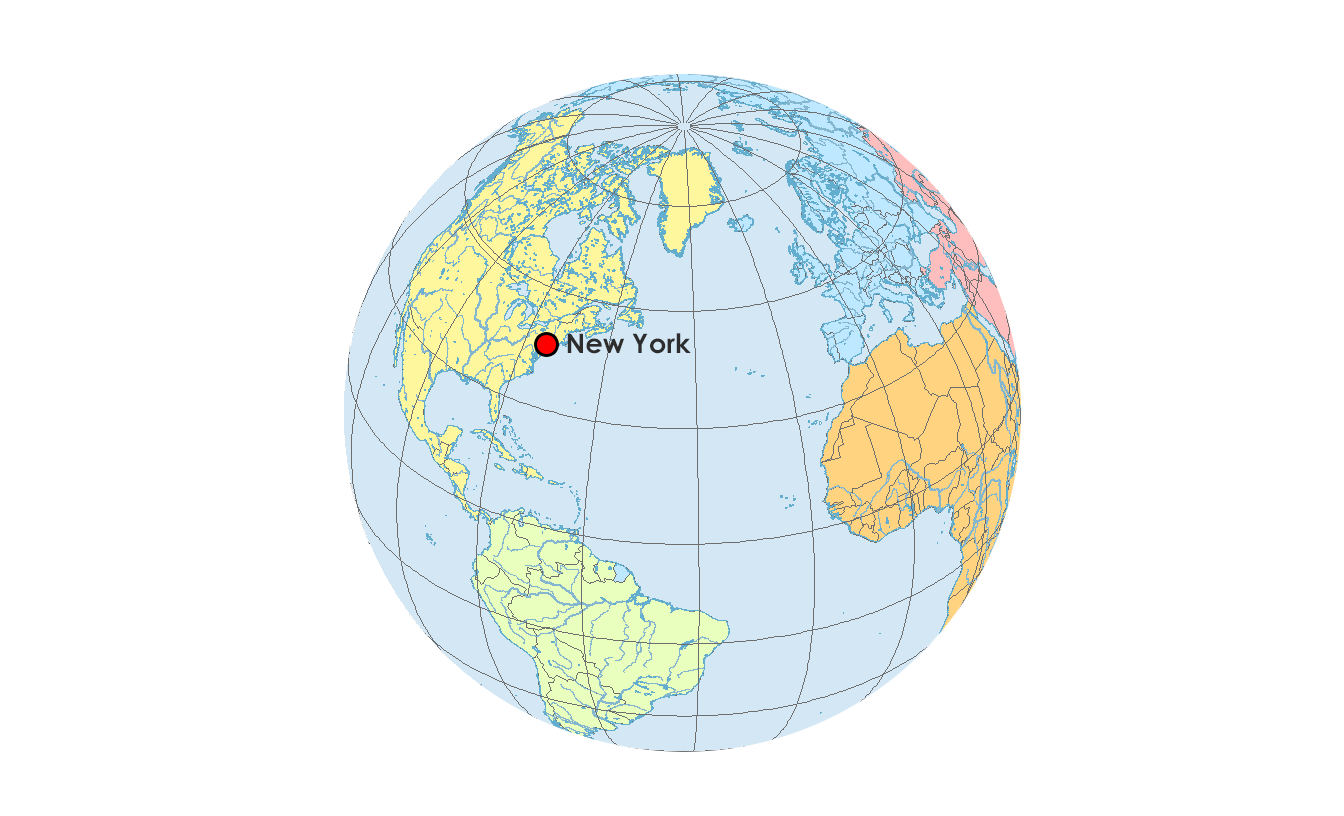
When travelers and geographers contemplate the position of New York on the global stage, they are often struck by how its specific coordinates influence everything from its climate to its cultural identity. Located at approximately 40.7128° N latitude, the city sits in a unique position that defines its role as a bridge between the temperate zones of the North and the bustling energy of the Atlantic coast. Understanding this geographical placement provides a deeper appreciation for the rhythms of life within the “City That Never Sleeps.”
The Geographical Positioning of New York
New York is situated at roughly 40 degrees north latitude. This placement is significant because it places the city firmly within the temperate climate zone. Unlike tropical destinations or high-latitude arctic regions, New York experiences four distinct seasons, each bringing its own specific charm and logistical considerations for visitors.

Seasonal Impacts of Latitude
The latitude of 40.7° N ensures that the tilt of the Earth creates a dynamic range of daylight and temperature throughout the year. In the summer months, the city enjoys long, warm evenings that extend well into the late hours, perfect for visiting iconic outdoor spots like Central Park. Conversely, the winter months see the sun dipping lower in the sky, contributing to the crisp, sometimes biting air that makes the festive lights of Rockefeller Center look all the more brilliant against the dark, early evenings.
Climate and Coastal Influence
While latitude dictates the baseline solar energy the city receives, the proximity of the Atlantic Ocean plays a vital role in modulating the extremes. The maritime influence helps to soften the intensity of the heat during the height of July and provides a slight buffer against the deepest freezes of January. For those exploring the United States, New York serves as a prime example of how mid-latitude coastal cities cultivate a temperate but seasonally varied environment.
Latitude and the Cultural Rhythm of the City
The latitude of New York is not just a scientific data point; it is a fundamental element that shapes the local culture. The distinct seasonal shift at this specific parallel drives a rhythm of life that transitions seamlessly from outdoor urban energy to cozy, indoor-centric social scenes.
Transitioning Through the Four Seasons
Because New York exists at this mid-latitude, the city’s population has developed a culture built around anticipation. Spring brings a collective migration to the Brooklyn Botanic Garden, where the cherry blossoms signal the end of the winter slumber. Summer is defined by rooftop dining and open-air concerts in Prospect Park. As the Earth’s orbit shifts the sun’s angle, the city prepares for the golden hues of autumn, which turn Riverside Park into a vivid canopy of orange and red, followed by the inevitable winter transition where the city retreats into the warmth of its world-class museums and theaters.
Daylight Patterns and Tourist Behavior
The latitude determines the length of the day, which in turn influences the flow of tourism. During the summer solstice, New York experiences nearly 15 hours of daylight. This allows visitors to pack their itineraries with back-to-back experiences, starting at the Statue of Liberty in the morning and ending with a late dinner in Manhattan. During the winter solstice, the shorter days encourage a more intimate pace of travel, focusing on destinations like The Metropolitan Museum of Art or the cozy, historic neighborhoods of Greenwich Village.
Mapping New York in the Global Context
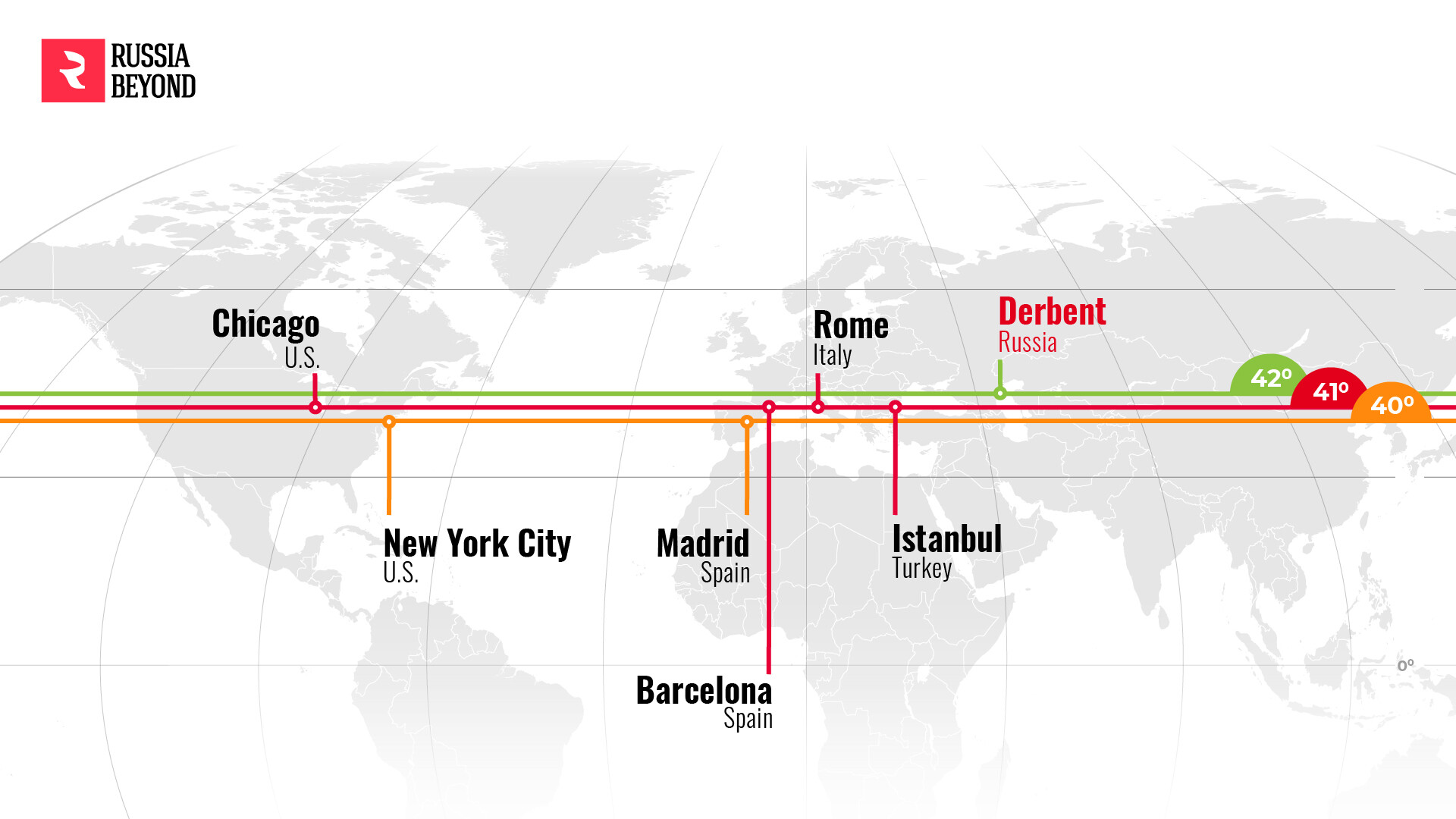
When we look at a map, it is fascinating to see which other regions of the world share the same latitude as New York. This comparison helps travelers visualize the city’s climate and lifestyle by drawing parallels to other global hubs.
Global Counterparts at 40° North
The 40th parallel north traverses a variety of diverse locations. New York shares this approximate latitude with cities like Madrid, Naples, and even parts of Beijing. While each of these cities has a vastly different microclimate due to their specific proximity to mountains or inland seas, they all share that mid-latitude solar signature. For a traveler, this explains why a wardrobe suited for autumn in New York might be similarly appropriate for a trip to northern Spain or Italy.
The Significance of the Coastal Corridor
New York’s position on the eastern seaboard of North America is the final piece of the puzzle. At 40.7° N, the city acts as the anchor for the Northeast Corridor. This region is densely packed with history and influence, extending from Boston in the north to Washington, D.C. in the south. The latitude essentially places New York in the “Goldilocks zone” of the eastern coast, where the climate is neither too tropical nor too sub-arctic, allowing for the massive concentration of commerce, arts, and transit hubs that define the area.
Planning Your Visit Based on Latitude
Understanding the latitude of New York is a practical tool for any traveler planning their trip. By knowing what to expect from the sun, the temperature, and the seasons, you can curate a more enjoyable and authentic experience.
Packing for the Mid-Latitudes
Because of New York’s position at 40° N, the most important advice for any traveler is to pack for versatility. Layers are essential. Even during the peak of summer, a sudden coastal breeze can bring a chill, and in the winter, the biting winds that funnel through the canyons of Wall Street require high-quality insulation.
- Summer: Light, breathable fabrics for high humidity and long, sunny days.
- Autumn/Spring: Transitional layers, light jackets, and sturdy walking shoes to navigate the changing weather.
- Winter: A heavy coat, gloves, and a scarf are mandatory to withstand the low-angle sun and freezing temperatures.
Maximizing Your Time
If your goal is to make the most of the sunlight hours, aim for a visit in late May or early June. The latitude at this time of year provides the perfect balance: the temperature is mild enough for walking across the Brooklyn Bridge, and the days are long enough to see the city transition from the golden hour to the sparkling skyline at night. Conversely, if you prefer the dramatic, moody aesthetic of a northern winter, visiting in February allows you to experience the city at its most intense, with the unique low-angled light casting long shadows across the architectural masterpieces of Midtown Manhattan.
By recognizing the impact of New York’s specific latitude, you move beyond the surface-level tourist experience. You gain a deeper understanding of why the city moves the way it does, why the seasons feel so distinct, and how to best prepare for your next urban adventure. Whether you are walking through the depths of Times Square or enjoying a quiet moment in the New York Public Library, you are always interacting with a city defined by its precise placement on the globe.
LifeOutOfTheBox is a participant in the Amazon Services LLC Associates Program, an affiliate advertising program designed to provide a means for sites to earn advertising fees by advertising and linking to Amazon.com. Amazon, the Amazon logo, AmazonSupply, and the AmazonSupply logo are trademarks of Amazon.com, Inc. or its affiliates. As an Amazon Associate we earn affiliate commissions from qualifying purchases.