
When drafting academic papers, travelogues, or professional reports concerning global destinations like New York City, the distinction between citing a media publication and an individual journalist is critical. Maintaining scholarly integrity while documenting your research on the vibrant United States is not merely a formality; it is a necessity for establishing credibility. Whether you are referencing an investigative report on the Statue of Liberty or an opinion piece about the evolving landscape of Central Park, understanding the mechanics of citation ensures that your work stands up to rigorous scrutiny.
The Hierarchy of Attribution in Journalistic Research
In the realm of professional writing, the rules for citation often depend on the style guide being utilized, such as APA, MLA, or Chicago. However, the foundational principle remains consistent: prioritize the human voice behind the data.

Prioritizing the Human Contributor
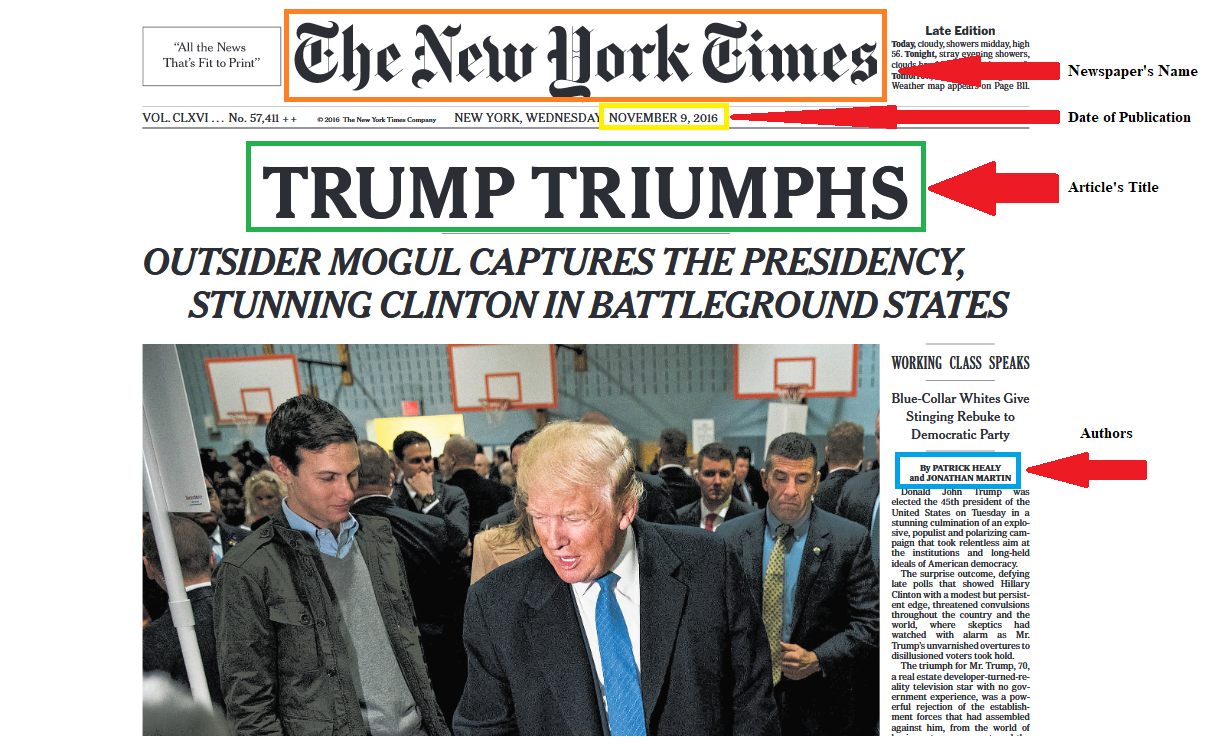
The New York Times is a powerhouse of journalism, yet it is a collective entity. When an article has a clear byline, the author should always be the primary point of attribution. By citing the author, you acknowledge the specific individual who conducted the interviews, navigated the archives, or walked the streets of Manhattan to compile the story. This honors the intellectual labor involved in the reporting process.
Recognizing the Institutional Authority
While the author takes precedence, the institution acts as the container. Your citation must reflect that the work was published under the editorial standards and vetting process of the publication. The name of the newspaper serves as the “publisher” in your reference list, providing the reader with context regarding the credibility and potential perspective of the source.
Navigating Specific Citation Styles
Each academic and professional discipline approaches the “Author vs. Publication” dilemma with nuanced formatting rules. When documenting your travel-related findings, it is essential to align your bibliography with the expectations of your audience.
The APA Approach: Focusing on Dates and Bylines
In APA style, the focus is squarely on the author’s name and the year of publication. For a digital piece found on the publication’s website, the format typically places the author first, followed by the date, the article title, and then the name of the publication. For example, if you are referencing a piece on the architectural history of the Empire State Building, the citation should begin with the writer’s surname. If no author is listed, the name of the publication moves into the primary position.
The MLA Approach: Emphasizing the Container
MLA style focuses heavily on the “container” concept. You identify the article title, the name of the container (the newspaper), and the publication details. If you are citing a travel feature about the dining scene near Times Square, MLA requires you to list the author first. If the article is unsigned, you start with the title of the article, followed by the publication name in italics. This structure ensures that even if an author is omitted, the source remains searchable and traceable.

When the Publication Itself Becomes the Authority
There are instances where citing the newspaper as a whole is more appropriate than citing an individual writer. This typically occurs when referencing editorial board opinions or unsigned staff reports that reflect the institutional voice of the organization rather than a personal perspective.
Editorial Board Pieces
When an editorial reflects the collective stance of the New York Times regarding urban planning in Brooklyn, individual authorship is secondary to the institution’s official position. In these cases, you list the organization as the “corporate author.” This distinguishes the piece from a subjective travel account or a freelance investigative report.
Staff-Written Summaries
Occasionally, short-form briefs or news roundups lack a specific byline. In these instances, the publication functions as both the source and the authority. When documenting such content—perhaps a summary of new hotel developments in Queens—using the institution as the author maintains the professional tone required in your bibliography.
Best Practices for Documenting Digital Media
In the digital age, URLs and access dates are as important as author names. When you are compiling research for a travel guide or a report on urban development, ensure that your citations are as functional as they are accurate.
The Importance of Persistent Links
When referencing an article from a major publication, always use the most stable URL available. If you are citing a piece about the history of the Brooklyn Bridge, ensure that the link points directly to the article rather than a general homepage. This allows your readers to verify your source material and explore the original context of the reporting.
Handling Multi-Authored Articles
Travel reporting often involves teams of journalists working together on large-scale features. If an article regarding the tourism industry in the United States lists three or more authors, follow the specific guidance of your chosen style guide regarding the use of “et al.” This keeps your citation clean and readable while still providing full credit to the primary contributors.
Verification and Credibility
By correctly citing your sources, you enhance the legitimacy of your own work. Whether you are writing a comprehensive guide to Fifth Avenue or a socioeconomic analysis of neighborhood shifts in Harlem, accurate attribution signals to your readers that you have conducted thorough, responsible research. It separates amateur blog posts from high-quality professional literature.
Ultimately, the decision of whether to cite the publication or the author is governed by the presence of a byline. If an individual has claimed the work, cite them. If the work is the product of the institution, cite the institution. By adhering to these standards, you uphold the integrity of the journalistic ecosystem and provide a clear, traceable map of your research journey through the fascinating cultural and historical landscapes of major cities like New York City. Whether your focus is on the iconic skyline or the hidden culinary gems of the city, your commitment to proper citation serves as the foundation for authoritative and trustworthy content.
LifeOutOfTheBox is a participant in the Amazon Services LLC Associates Program, an affiliate advertising program designed to provide a means for sites to earn advertising fees by advertising and linking to Amazon.com. Amazon, the Amazon logo, AmazonSupply, and the AmazonSupply logo are trademarks of Amazon.com, Inc. or its affiliates. As an Amazon Associate we earn affiliate commissions from qualifying purchases.