
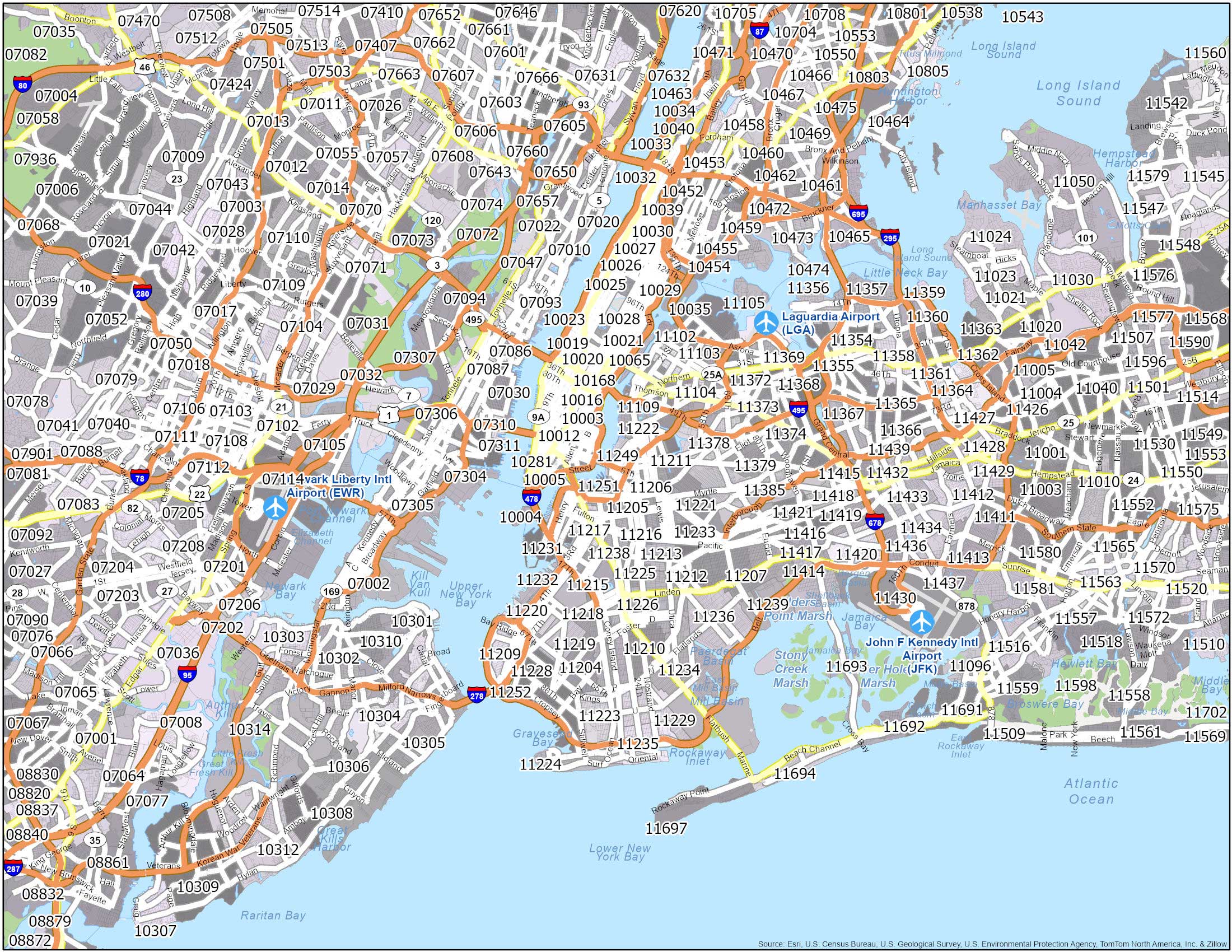
Navigating the intricate geography of New York City is a challenge even for long-term residents. With five distinct boroughs and hundreds of individual neighborhoods, understanding the postal map of this metropolis is essential for those planning a visit, scouting for real estate, or simply trying to categorize the vast landscape of the Big Apple. Whether you are searching for the prestigious addresses of the Upper East Side or the creative hubs of Brooklyn, zip codes serve as the primary markers for cultural and social identity within the city.
Understanding the Logic of New York City Zip Codes
Unlike many suburban areas where zip codes are expansive and loosely defined, New York City zip codes are hyper-specific, often dictated by the density of the urban environment. The United States Postal Service designed these codes to streamline the delivery of millions of pieces of mail in an environment that is significantly more congested than almost anywhere else on Earth.

The Significance of Manhattan Codes
In Manhattan, the zip codes often align with iconic districts. For instance, the 10021 code is synonymous with the wealth and refinement of the Upper East Side. Meanwhile, moving downtown to SoHo or Tribeca, you will encounter the 10012 and 10013 codes, respectively. These areas are not just postal designations; they are brands. Real estate values, retail trends, and dining scenes are often tethered to the perceived prestige of a specific zip code. Visitors planning a stay in The Plaza or The St. Regis New York will find themselves firmly planted in the heart of these high-value zones.
Borough-Specific Patterns
The distribution of zip codes across the other boroughs follows a different rhythm. Queens and The Bronx utilize a wide array of codes to accommodate their sprawling residential neighborhoods and industrial pockets. Staten Island, while geographically isolated, maintains a consistent set of codes that reflect its suburban-style living within the city limits. When exploring Brooklyn, specifically areas like Williamsburg (11211) or Dumbo (11201), the zip code acts as a gateway to understanding the artistic and commercial shifts that have redefined the waterfront over the last two decades.
How Zip Codes Define the Visitor Experience
For the traveler, knowing the zip code is more than just a logistical necessity for a GPS; it is a tool for curating an experience. If your goal is to immerse yourself in the high-fashion and luxury retail culture of Fifth Avenue, you must orient your visit toward the 10022 zip code. This area acts as the commercial spine of Midtown, home to major corporate headquarters and world-renowned shopping destinations.
Finding Your Ideal Home Base
Choosing an accommodation often starts with selecting a zip code that matches your desired lifestyle. If you prefer the quiet, tree-lined streets of the West Village, you will likely find yourself within the 10014 area. This neighborhood offers a stark contrast to the neon-lit frenzy of Times Square (10036). By understanding the “personality” of a zip code, travelers can avoid the frustration of booking a hotel in an area that does not suit their needs, whether that means proximity to Central Park or easy access to the transit hubs of Grand Central Terminal.
The Intersection of Culture and Geography
Zip codes in New York City are fluid markers of culture. As neighborhoods gentrify or undergo shifts in demographics, the “vibe” of a zip code evolves. The 11206 code in Bushwick, for example, has transformed from an industrial hub to a thriving center for street art and nightlife. When you visit a city where the geography is so closely tied to the social fabric, knowing your location by code helps you navigate the invisible borders that define where one world ends and the next begins.
Navigating the Challenges of NYC Addresses
One of the most common pitfalls for newcomers is the misidentification of a borough based on a zip code. It is not uncommon for visitors to assume that because a location is in the city, it must be in Manhattan. However, the United States Postal Service system classifies many parts of the outer boroughs in ways that can be counterintuitive to the layperson.
Addressing the Confusion
For instance, some parts of The Bronx utilize codes that may seem to belong to other regions if you are unfamiliar with the city’s intricate grid. When navigating to historical landmarks like The Metropolitan Museum of Art or the Empire State Building, always verify the address and zip code, as the city’s complex street numbering system can lead travelers to the wrong borough entirely if they are not careful.
Essential Tips for Travelers
- Always Verify with Maps: Do not rely on zip codes alone to plan your route. Cross-reference them with digital mapping services to ensure you are heading to the correct side of the East River.
- Understand Neighborhood Names vs. Zip Codes: A neighborhood name can cover several zip codes, and one zip code can contain parts of multiple neighborhoods. When booking a stay at The Peninsula New York, acknowledge the neighborhood identity first, then the zip code for postal accuracy.
- Check Proximity to Public Transit: In New York City, your zip code is often less important than your proximity to the New York City Subway system. A zip code might look central, but if it lacks a nearby transit stop, your commute across town will be significantly longer than expected.

The Future of the Zip Code in New York
As the city continues to expand and redevelop, the relevance of zip codes remains undiminished. They are the shorthand for the city’s pulse. From the revitalized waterfronts of Long Island City to the historic brownstones of Brooklyn Heights, these five-digit numbers encapsulate the density, history, and ambition of New York City. Whether you are a first-time visitor admiring the view from the Statue of Liberty or a business traveler heading to Wall Street, you are always within the bounds of a zip code that tells a specific story about the neighborhood you occupy.
By familiarizing yourself with these geographic markers, you move beyond the surface level of the typical tourist experience. You gain the ability to navigate the city with the precision of a local, turning the daunting vastness of the boroughs into a series of manageable, distinct, and fascinating destinations. Whether you prioritize luxury, history, or local charm, knowing your way around the map is the first step toward mastering the art of the New York City lifestyle.
LifeOutOfTheBox is a participant in the Amazon Services LLC Associates Program, an affiliate advertising program designed to provide a means for sites to earn advertising fees by advertising and linking to Amazon.com. Amazon, the Amazon logo, AmazonSupply, and the AmazonSupply logo are trademarks of Amazon.com, Inc. or its affiliates. As an Amazon Associate we earn affiliate commissions from qualifying purchases.