
Navigating the financial landscape of Nevada requires more than just a general awareness of the state’s vibrant atmosphere; it necessitates a practical understanding of how local tax structures impact your travel budget. Whether you are planning a high-end getaway to Las Vegas or a scenic retreat near Lake Tahoe, understanding the intricacies of the sales tax can help you manage your expenses more effectively. While Nevada is famous for its lack of personal state income tax, its sales tax framework is a vital component of the state’s revenue, and it is a factor that every traveler should consider when planning their itinerary.
The Structure of Nevada Sales Tax
When you make a purchase in Nevada, the amount you pay at the register is rarely just the sticker price. The sales tax in the state is a cumulative figure composed of several different layers of government levies. For the savvy traveler, understanding these layers is key to anticipating your final costs.
The Base Rate vs. Local Add-ons
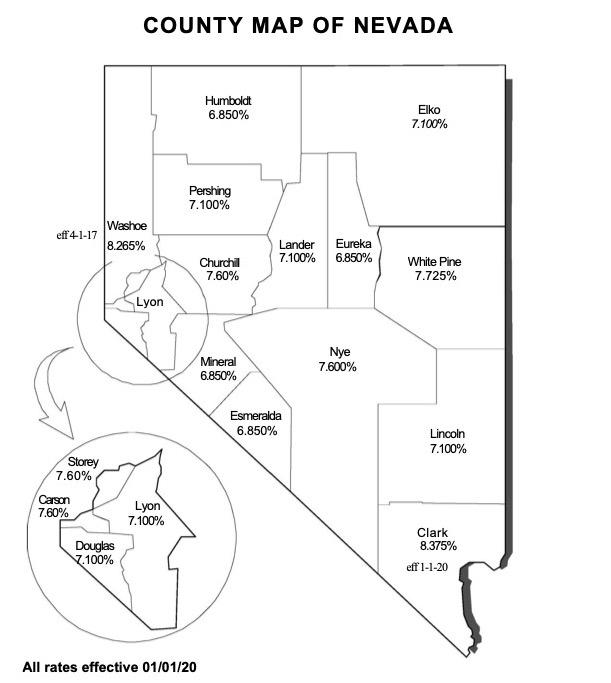
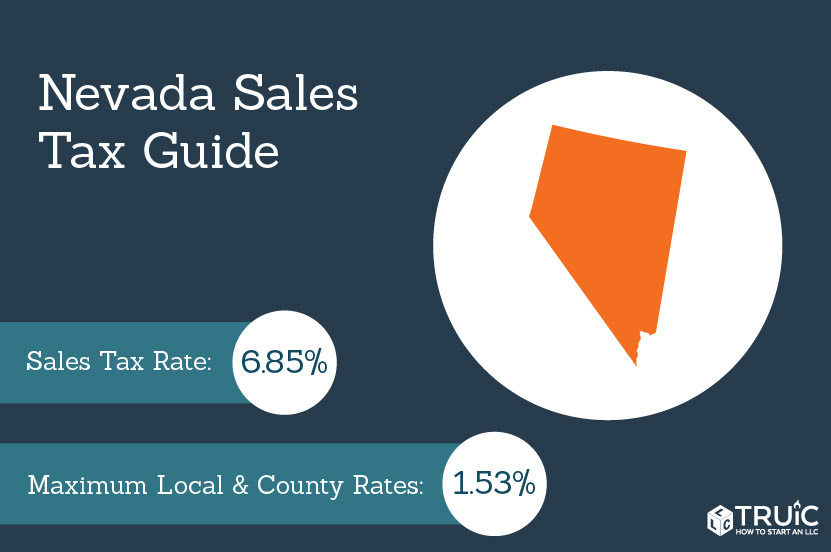
The sales tax in Nevada is composed of a base state rate combined with various local and county-level taxes. The statewide base rate is 6.85%. However, this is merely the starting point. Every county in Nevada has the authority to impose additional local taxes to fund infrastructure, schools, and transportation projects.
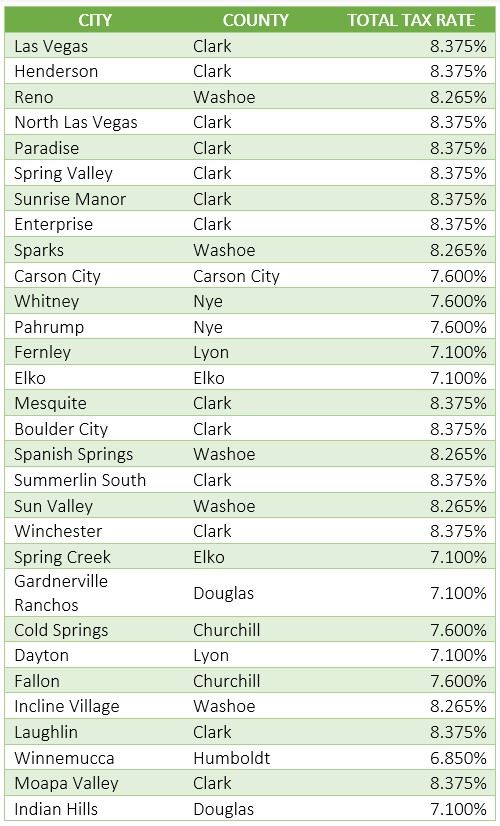
Because of this, you will find that the total sales tax rate fluctuates depending on which county you are visiting. In major urban centers like Clark County, which encompasses the iconic Las Vegas Strip, the total sales tax rate often climbs higher than in more rural areas due to these localized levies. It is not uncommon for visitors to see total sales tax rates ranging from 7.6% to 8.375% throughout different parts of the state.
Why Rates Vary by Location
The disparity in rates is often attributed to special legislative districts designed to support tourism-heavy infrastructure. For example, if you are shopping at luxury boutiques near the Bellagio or dining at world-class restaurants in Henderson, you are likely paying a higher percentage than you would in a small town like Elko. These additional percentages are frequently earmarked for public safety, road improvements, and convention center expansion, which directly benefits the tourism industry.
Sales Tax Impacts on Travel Expenses
When traveling, sales tax is rarely just a line item on a retail receipt. It permeates almost every facet of the visitor experience, from lodging to dining and entertainment.
Lodging and Accommodations
If you are booking a suite at the Caesars Palace or a resort stay in Reno, it is essential to remember that lodging taxes are often distinct from general retail sales tax. In Nevada, hotels are subject to a “transient lodging tax” or room tax, which can be significantly higher than the standard sales tax rate.
These taxes are often applied on top of the nightly room rate, and in some areas, they are combined with additional tourism improvement district fees. Before finalizing your booking, always review the fine print. That seemingly affordable room at a property near Red Rock Canyon may have an additional 10% to 15% in taxes and fees added to the total cost before checkout.
Dining and Entertainment
Dining out is one of the most enjoyable aspects of visiting Nevada, but it is also where sales tax is most visible. Whether you are grabbing a quick meal at a diner in Carson City or enjoying a fine dining experience at a celebrity chef-owned venue, the standard sales tax rate of your specific county will be added to your final bill.
Entertainment purchases, such as concert tickets or entry fees for museums like the Neon Museum, are also subject to sales tax. In some jurisdictions, there are specific “live entertainment taxes” that apply to events, which are separate from the standard sales tax. If you are budgeting for a trip that includes multiple shows and high-end dining, these percentages can add up quickly, potentially altering your projected spending.
Tips for Managing Your Travel Budget
Successfully navigating Nevada financially requires a proactive approach. By being aware of how and where taxes are applied, you can avoid unexpected expenses and make informed decisions about your itinerary.
Budgeting for the “Hidden” Costs
The most important tip is to estimate your budget using a “plus-tax” mindset. Rather than calculating your spending based on the pre-tax prices you see online, assume an additional 8% to 9% on top of all goods and services. By overestimating your costs, you create a buffer that ensures you are never caught off guard at the point of sale.
When you are exploring regions such as Great Basin National Park, you may find that supplies and services are slightly more expensive due to location-specific costs and local tax levies. Planning for this in advance keeps your focus on the experience rather than the math.
Understanding Tax Exemptions and Exceptions
While most goods are taxable, there are nuances in Nevada law. For instance, most unprepared food items (groceries) purchased at a supermarket are exempt from sales tax. This is a great way for budget-conscious travelers to save money. By picking up snacks and breakfast items at a grocery store, you avoid the sales tax and the service charges often associated with hotel dining.
Furthermore, some services are not subject to sales tax. If you are booking guided tours of the Hoover Dam or hiring a private chauffeur, the tax treatment of these services can differ from retail goods. Being aware of these distinctions can help you prioritize where you spend your money.
Leveraging Local Knowledge
If you are visiting Nevada for business or a long-term stay, consider the geographic variance of taxes. While you cannot choose where to conduct business, you can certainly choose where to shop for souvenirs or dine during your leisure time. Shopping in a neighboring county with a slightly lower combined tax rate might save you a few dollars, though the impact may be negligible unless you are making large purchases like electronics or jewelry.
Final Perspectives on Nevada Travel
Nevada remains one of the most popular destinations in the United States, offering an unparalleled mix of natural beauty and urban excitement. Whether you are drawn to the flashing lights of the Las Vegas Strip or the serene landscapes of the Valley of Fire State Park, the state provides value that goes far beyond the bottom line.
While the sales tax is an unavoidable reality of modern travel, it is also a small price to pay for the high-quality infrastructure and tourism amenities that Nevada offers. By understanding how the state calculates its taxes, where they vary, and how they apply to your specific travel habits, you can enjoy your time in this iconic state with confidence.
The goal of any well-planned trip is to maximize enjoyment while maintaining financial discipline. By treating tax awareness as just another part of your travel research, you ensure that your journey to Nevada—whether it involves luxury stays at The Venetian Resort or camping adventures in Mount Charleston—remains both seamless and memorable. Always remember to check the local tax regulations of the specific county you intend to visit, as legislative changes can occasionally alter these rates, ensuring that your financial planning remains as current as your itinerary.
LifeOutOfTheBox is a participant in the Amazon Services LLC Associates Program, an affiliate advertising program designed to provide a means for sites to earn advertising fees by advertising and linking to Amazon.com. Amazon, the Amazon logo, AmazonSupply, and the AmazonSupply logo are trademarks of Amazon.com, Inc. or its affiliates. As an Amazon Associate we earn affiliate commissions from qualifying purchases.