
The eternal question for anyone planning a trip to New York City is never quite just about the weather; it is about how the climate defines the rhythm of the city. Whether you are a local navigating the subway or a visitor stepping out of a cab near Times Square, the temperature dictates the flow of urban life. From the sweltering concrete heat of mid-July to the biting winds that sweep across the Hudson River in January, the meteorological pulse of the Big Apple is as dynamic as the city itself.
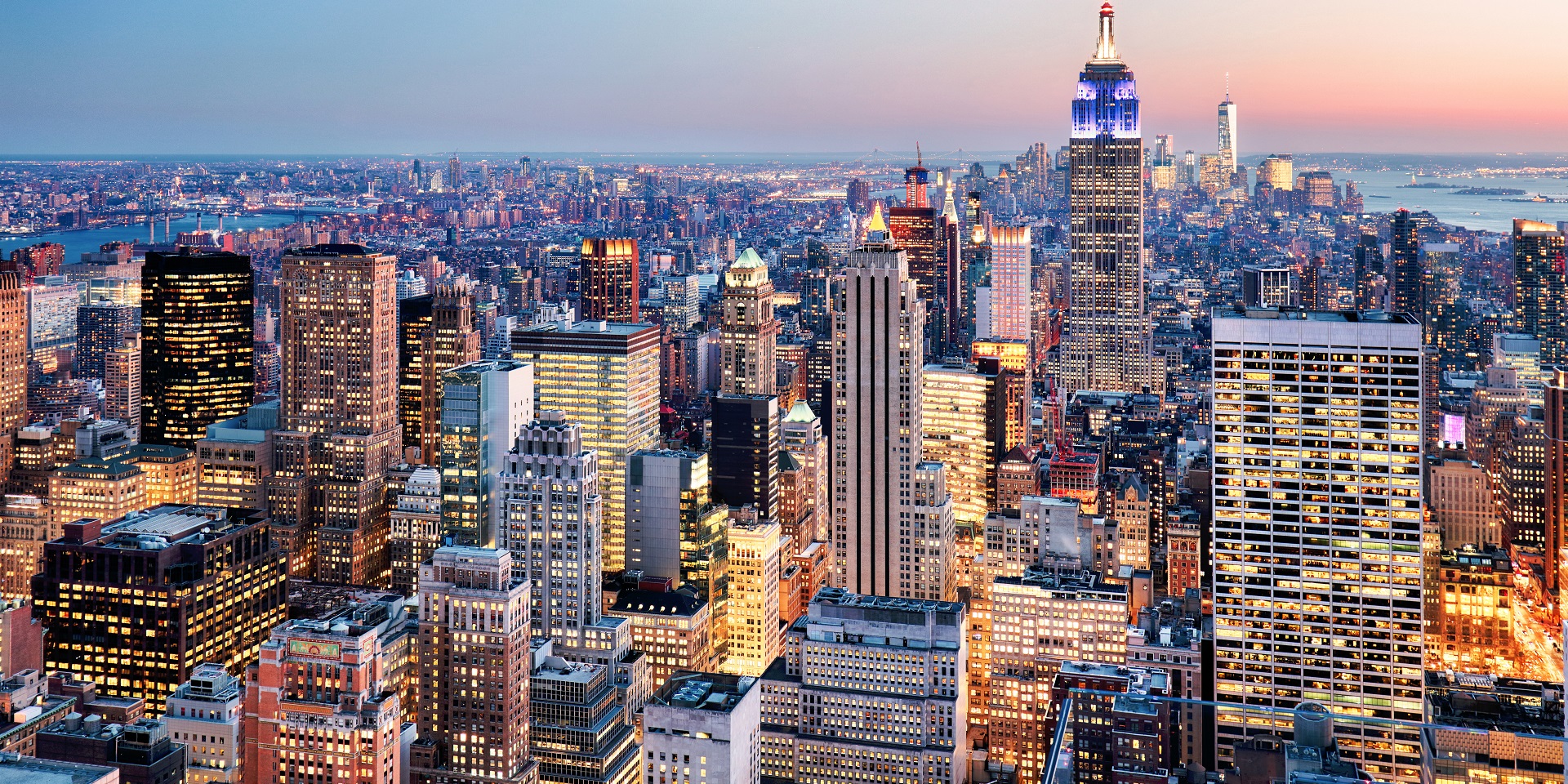
Understanding the Seasonal Pulse of the Five Boroughs
To truly appreciate New York City, one must understand that it is a city of distinct seasonal extremes. The temperature does not merely fluctuate; it dictates culture, fashion, and the accessibility of iconic landmarks.
The Spring Thaw and Summer Bloom
As the frost recedes from Central Park, the city undergoes a metamorphosis. Spring temperatures in the city are famously fickle, often swinging from crisp, jacket-required mornings to sun-drenched afternoons that encourage outdoor dining. By the time June arrives, the mercury rises, turning the sidewalk into a stage for urban exploration. During these months, the humidity can cling to the skyline, making the cooling shade of the New York Public Library a welcome relief for those touring the city.
The Autumn Crisp and Winter Chill
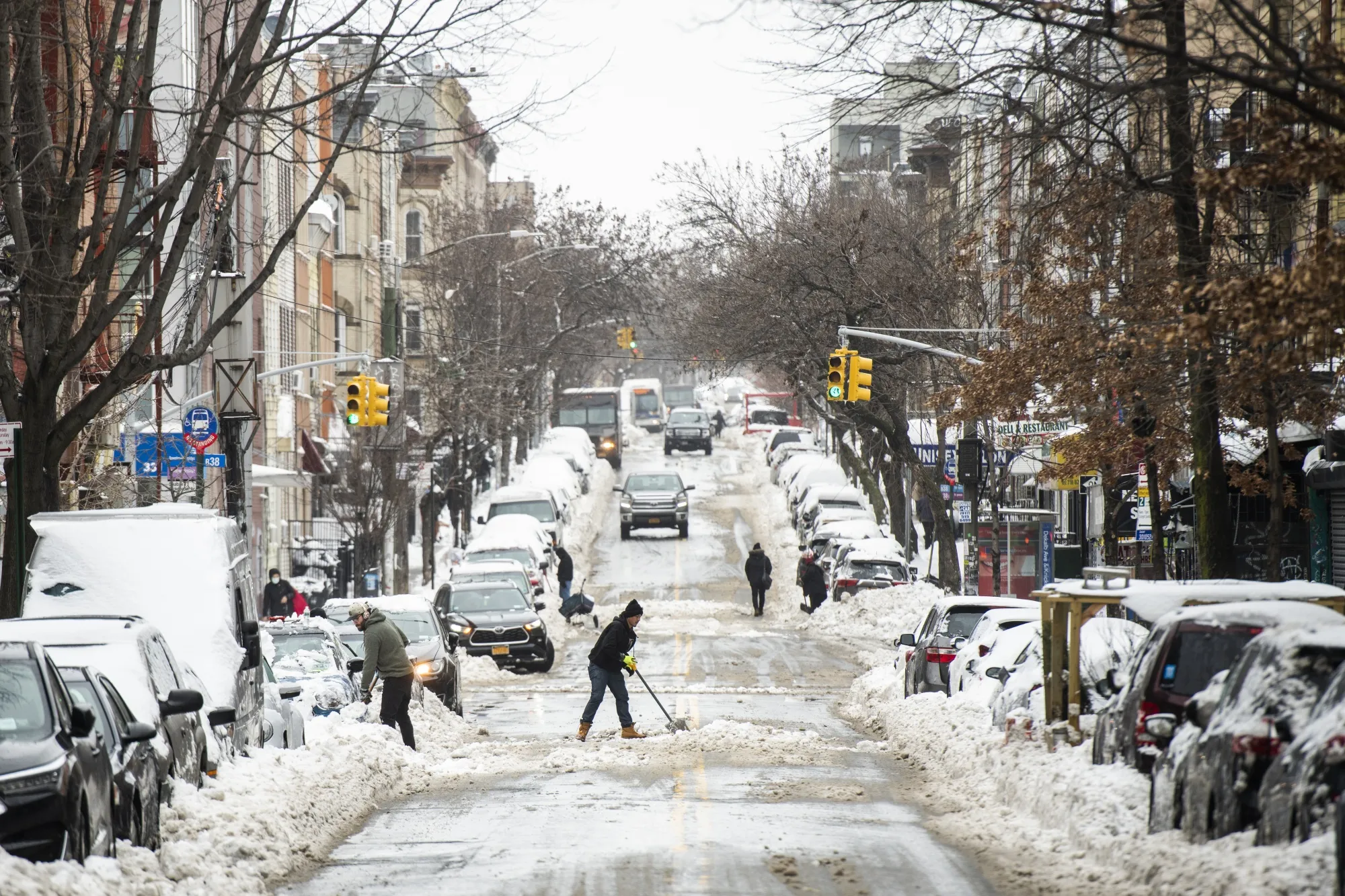
Autumn is arguably the most pleasant time to visit. As the temperature drops, the leaves in The Bronx begin to turn, and the air carries a sharp, invigorating clarity. However, winter brings a different reality. When the temperature dips below freezing, the city retreats into the warmth of cozy cafes and grand museums like the Metropolitan Museum of Art. Understanding these shifts is crucial for any traveler looking to maximize their time spent outdoors.
How Temperature Shapes Your New York City Itinerary
A savvy traveler knows that a New York City itinerary is only as good as the weather forecast. When the temperature is soaring, the asphalt of Manhattan retains heat, creating a “heat island” effect that can make the streets feel significantly hotter than the suburban regions of Long Island.
Maximizing Outdoor Experiences
On temperate days, there is no better way to see the city than by walking the Brooklyn Bridge. The cool breeze coming off the East River provides a natural air conditioning effect, making the trek from Brooklyn to Manhattan a quintessential experience. Conversely, on days when the temperature is extreme, it is wiser to schedule indoor activities, such as catching a Broadway show or visiting the Museum of Modern Art.

Managing the Extremes
The local infrastructure is built to handle the variations. In the height of summer, visitors and residents alike seek refuge in the subterranean coolness of the subway stations, though the platforms themselves can become stifling. In winter, the city transforms into a landscape of steam and shadow. Checking the local weather report is not just a habit; it is a necessity for navigating the city’s complex layers of outdoor plazas and indoor transit hubs.
The Influence of Microclimates in the Urban Jungle
It is a common misconception that the temperature is uniform across all five boroughs. New York City is a city of distinct microclimates created by its topography and architectural density.
Coastal Cooling and Urban Heat
Neighborhoods situated near the water, such as Battery Park or the waterfronts of Staten Island, often enjoy temperatures that are a few degrees cooler than the dense corridors of Midtown Manhattan. The skyscrapers act as wind tunnels, occasionally intensifying the feeling of the temperature, particularly in the winter when the wind-chill factor turns a mild day into a harsh ordeal.
Green Spaces as Temperature Regulators
Central Park acts as the city’s lungs, but it also serves as its primary climate moderator. The dense canopy of trees and the expanse of the Great Lawn help to keep the immediate surroundings significantly cooler than the surrounding concrete expanse. Similarly, the botanical gardens in Queens offer a respite where the temperature is managed through curated landscapes and hydration.
Essential Tips for Dealing with New York Weather
When you find yourself asking, “What is the temperature in New York City today?” you should also be asking how to prepare for it. The professional traveler knows that layering is the only way to survive a day of sightseeing.
Strategic Dressing
- The Three-Layer Rule: Even if the morning starts at a manageable temperature, the afternoon sun in New York City can raise the heat significantly. Always wear a base layer, a light sweater, and a jacket.
- Footwear Matters: In high temperatures, your feet swell, and walking on the concrete of Fifth Avenue can become grueling. Invest in supportive, breathable footwear.
- Hydration Points: Familiarize yourself with public fountains and the availability of water in iconic spots like Rockefeller Center.
Technology and Forecasting
While looking at a digital thermometer or a weather app is the modern standard, understanding the “feels like” temperature is more important than the actual reading. The humidity in New York City often makes the air feel much heavier than the digits on your screen suggest. Whether you are visiting the Empire State Building or strolling through SoHo, keeping an eye on the wind speed and humidity percentage will give you a much more accurate picture of how your day will unfold.
Ultimately, the temperature in New York City is a central character in the story of your visit. It changes the light over the Statue of Liberty, the speed of the crowds in Grand Central Terminal, and the mood of the entire metropolis. By planning around the meteorological reality of the day, you ensure that no matter the reading on the thermometer, you remain comfortable, engaged, and ready to explore the endless possibilities of the world’s most famous city. Whether you are bracing for a winter blizzard or basking in a summer heatwave, the city’s spirit remains constant, inviting you to experience its grandeur regardless of the forecast.
LifeOutOfTheBox is a participant in the Amazon Services LLC Associates Program, an affiliate advertising program designed to provide a means for sites to earn advertising fees by advertising and linking to Amazon.com. Amazon, the Amazon logo, AmazonSupply, and the AmazonSupply logo are trademarks of Amazon.com, Inc. or its affiliates. As an Amazon Associate we earn affiliate commissions from qualifying purchases.