
For those planning to visit, relocate to, or navigate the economic landscape of New York City, understanding the local cost of living and the earning power of its workforce is essential. The city, often referred to as the financial capital of the world, maintains a unique economic structure that directly impacts the hospitality, service, and tourism industries. As of the latest legislative updates, the minimum wage in New York state is not a monolith; rather, it is anchored to regional requirements, with the five boroughs of the city maintaining the highest standards in the state.
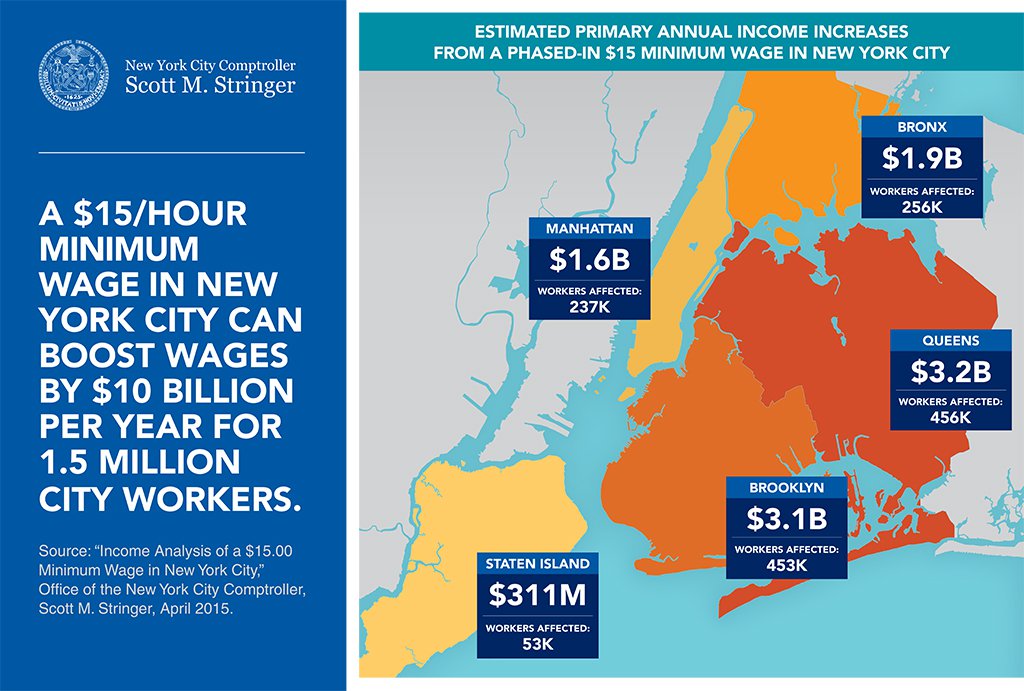
The Current State of Minimum Wage in the Five Boroughs
As of early 2024, the minimum wage for all employees in New York City, Long Island, and Westchester is $16.00 per hour. This legislative benchmark is a crucial component of the city’s ability to remain a viable place for service workers who sustain the massive tourism and hospitality infrastructure that draws millions of visitors annually.
Legislative Trajectory and Annual Increases
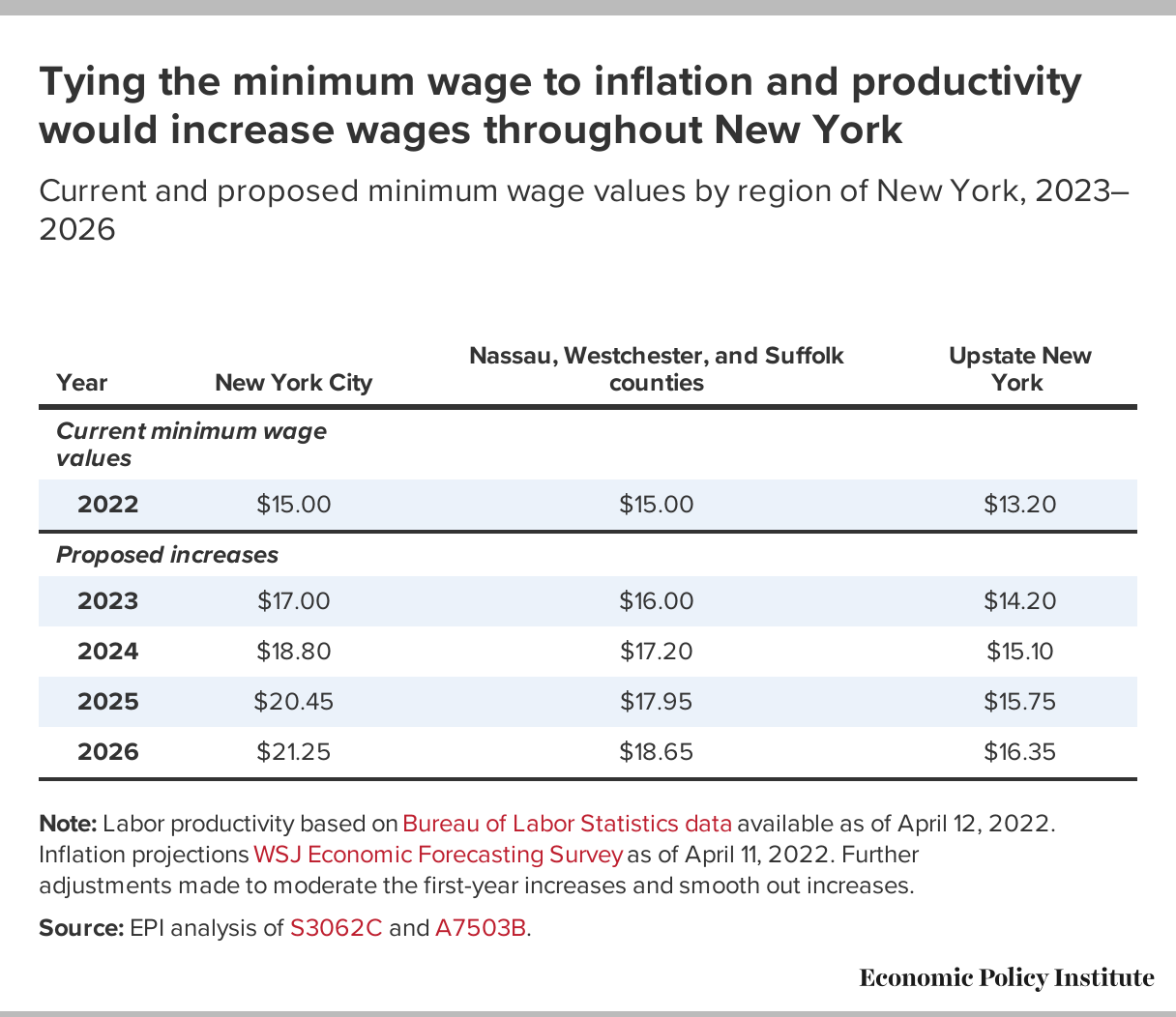
The path to the current $16.00 rate was not static. The state government implemented a multi-year plan to index the minimum wage to inflation and local economic indicators. For visitors exploring the bustling streets of Manhattan or the artistic hubs of Brooklyn, it is helpful to understand that these labor laws are designed to address the high cost of housing and daily expenses in the United States.
The recent increases ensure that the hourly pay for entry-level positions remains competitive, even when compared to other major global hubs like London or Paris. For businesses operating in the hospitality sector—ranging from high-end hotels near Central Park to local cafes in Queens—adherence to these wage mandates is strictly monitored by the New York State Department of Labor.
Exemptions and Industry Nuances
While $16.00 is the standard floor, there are nuances in the labor law that specifically affect the tourism and hospitality sectors. Employers are permitted to use a “tip credit” for food service workers, provided the employee earns enough in tips to bring their total hourly compensation to or above the minimum wage. This system is a defining feature of the dining experience in New York City, and it is a common point of discussion for international travelers unfamiliar with American tipping culture.
Economic Impact on Tourism and Hospitality
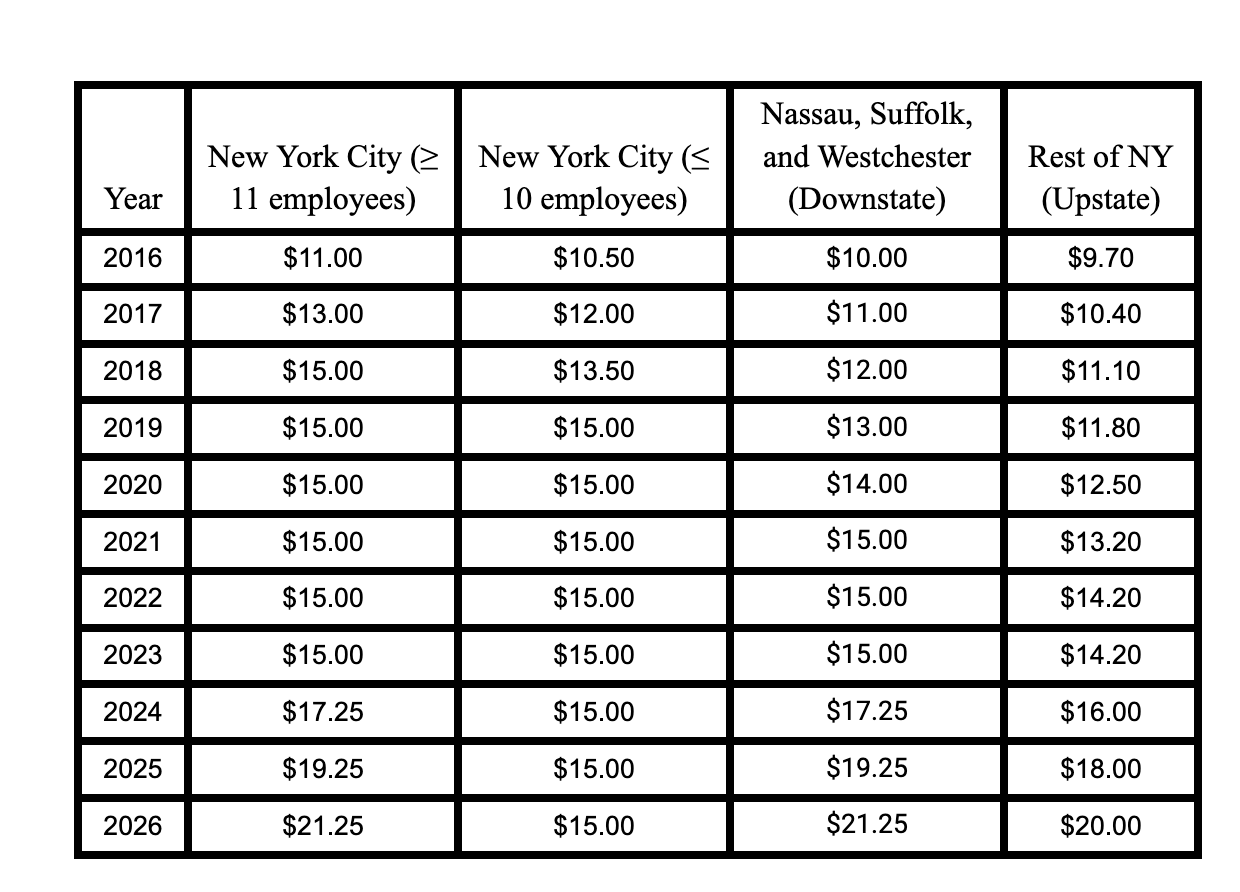
The high minimum wage in New York City reflects the premium price point of living in one of the most expensive cities on the planet. From a tourism perspective, this economic reality translates into the pricing structure of hotels, restaurants, and guided services.
Why Labor Costs Influence Travel Budgets
When you check into a luxury property like the The Plaza Hotel, the service levels are high, but they are also expensive to maintain. The minimum wage, combined with the city’s complex tax structure, is reflected in the room rates and the price of a standard meal at a restaurant in Times Square. Travelers often notice that while the quality of service in New York City is exceptional, the “service charge” or menu pricing is significantly higher than in other regions of North America.
The Workforce Behind the Experience
Without a robust wage, the workforce required to keep attractions like the Statue of Liberty or the Empire State Building running would be difficult to retain. The hospitality industry in the Bronx and Staten Island relies heavily on staff who must navigate the city’s extensive transit network to provide the experiences that guests expect. By mandating a fair floor, the city ensures that the people greeting you at the JFK International Airport or serving your coffee on Fifth Avenue can afford to live in the region they serve.
Navigating Costs as a Traveler in the City
Understanding that the local workforce is paid a minimum of $16.00 per hour provides context for the premium prices travelers encounter. Whether you are budgeting for a weekend in Midtown or a longer stay in Williamsburg, being informed about the local economy can help set realistic expectations.
Budgeting for Services
When visiting New York City, it is standard to factor in that service-related costs will be higher. A haircut, a guided tour, or a night at a boutique hotel involves a labor component that is indexed to the city’s high cost of living. Travelers often find that:
- Dining Out: Tipping is customary (usually 18–22%) because base wages for servers are often lower than the state minimum due to tip credits.
- Concierge Services: When staying at properties like the Waldorf Astoria, the staff is highly skilled, and their compensation reflects the market standards of the city.
- Transportation: Utilizing ride-sharing or private car services involves paying for the time and labor of drivers who are operating in a high-cost environment.
Sustainability and Ethical Tourism
For many modern travelers, understanding how a destination treats its workforce is part of a sustainable travel ethos. Knowing that New York City enforces a robust minimum wage can provide peace of mind. Supporting local businesses, dining at independent establishments, and respecting the labor behind your travel experiences adds a layer of depth to your visit. When you walk through the doors of the Museum of Modern Art, you are engaging with an institution that employs hundreds of staff members, all of whom are protected by the wage standards that keep this city moving.
In summary, while $16.00 per hour is the baseline for legal employment in New York City, the reality of the local economy is far more nuanced. It is an expensive, vibrant, and fast-paced environment where the cost of labor is a central pillar of the tourism ecosystem. By understanding these financial benchmarks, travelers can better appreciate the complex, bustling, and high-quality services that make the city a global destination. Whether you are here for business, leisure, or a mix of both, acknowledging the economic effort that goes into your experience is a hallmark of a thoughtful and informed visitor.
LifeOutOfTheBox is a participant in the Amazon Services LLC Associates Program, an affiliate advertising program designed to provide a means for sites to earn advertising fees by advertising and linking to Amazon.com. Amazon, the Amazon logo, AmazonSupply, and the AmazonSupply logo are trademarks of Amazon.com, Inc. or its affiliates. As an Amazon Associate we earn affiliate commissions from qualifying purchases.