
Understanding the economic landscape of New York State is essential for anyone planning a trip, a career move, or a long-term stay in this vibrant region. As of recent legislative updates, the minimum wage structure in the Empire State has become a focal point for travelers and business professionals alike. With costs fluctuating from the bustling streets of New York City to the serene landscapes of the Adirondack Mountains, knowing the financial baseline helps in appreciating the local hospitality and service economy.
The Current State of Minimum Wage in New York
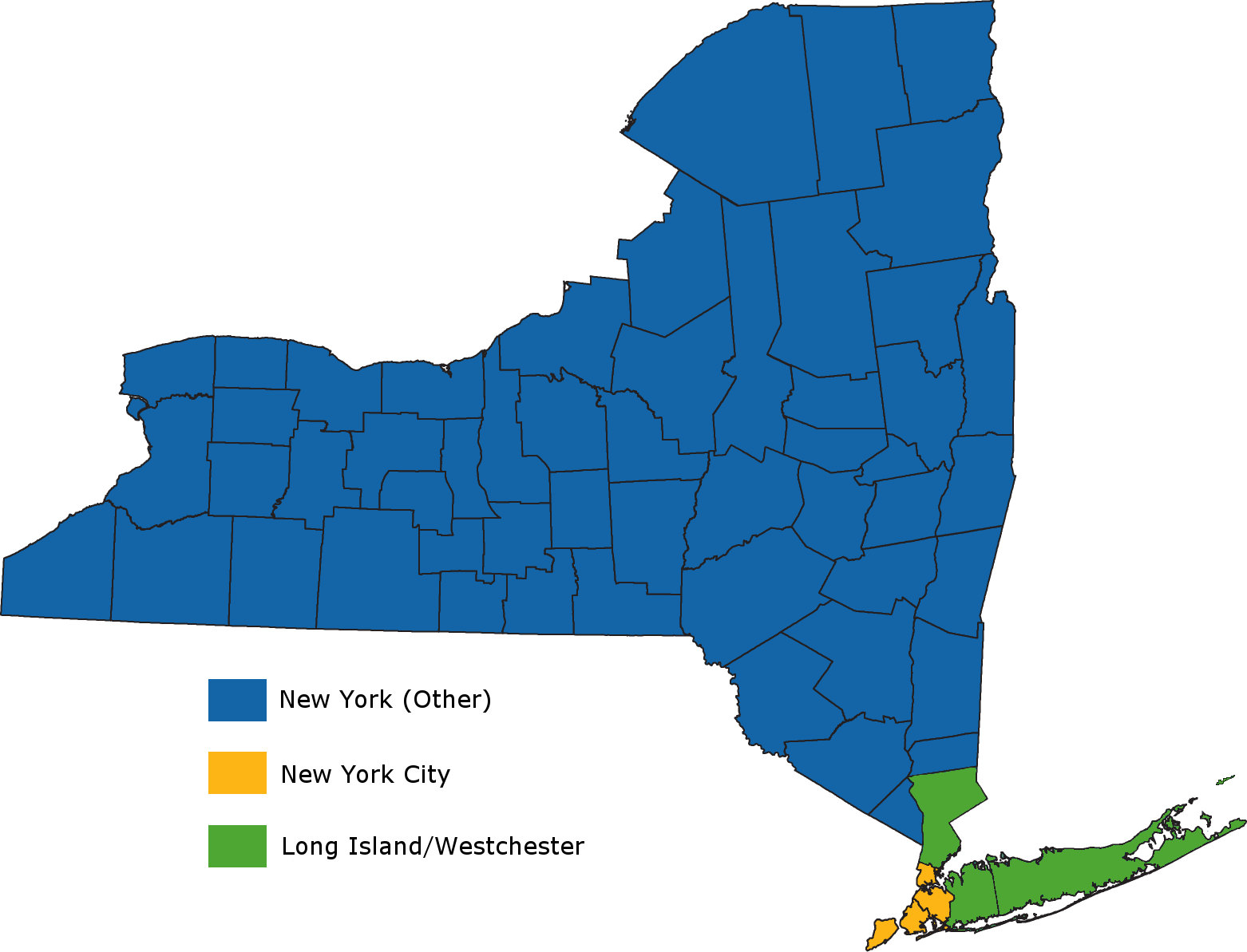
The minimum wage in New York is not a monolithic figure; it is geographically tiered to reflect the vast disparities in the cost of living between metropolitan hubs and rural regions.
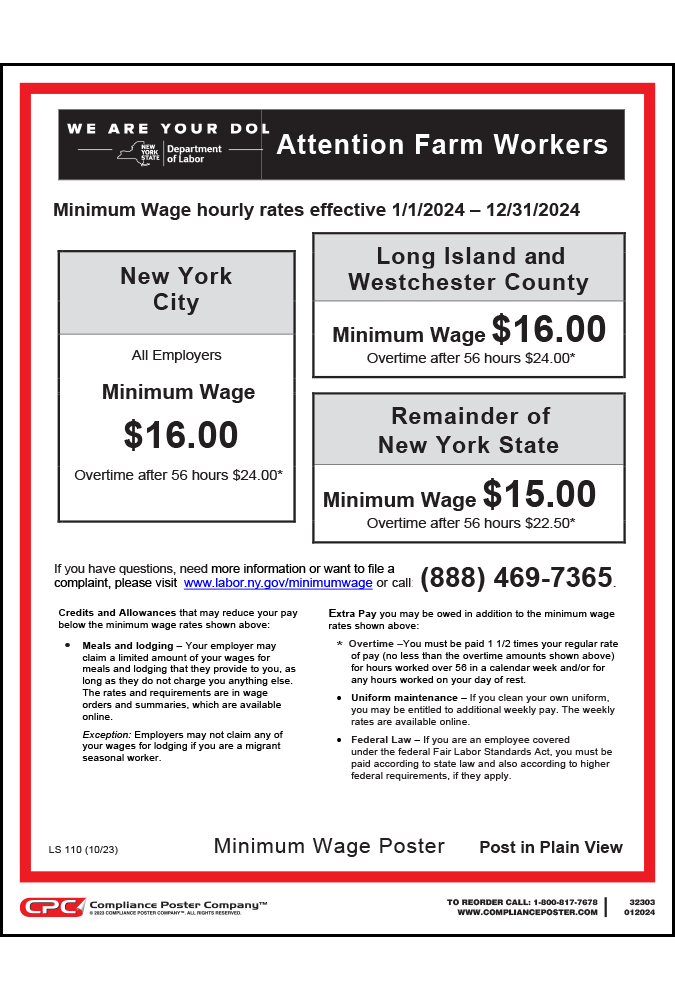
Metropolitan Standards: New York City, Long Island, and Westchester
In the densest areas of the state, including New York City, Long Island, and Westchester County, the minimum wage has reached a significant milestone of $16.00 per hour. This adjustment is designed to keep pace with the high costs of housing, transportation, and dining in these regions. For travelers, this means that the premium experience provided by high-end hotels like the St. Regis New York or the Waldorf Astoria is backed by a workforce that is compensated in alignment with the local economic reality.
The Remainder of New York State
For the rest of the state, including regions such as the Catskills, Buffalo, and Rochester, the minimum wage is set at $15.00 per hour. While lower than the metropolitan rate, this figure represents a robust effort to standardize income levels across diverse economies, ensuring that workers in Saratoga Springs or Lake Placid can support themselves while serving the booming tourism industry.
Impact on the Travel and Hospitality Industry
The rise in minimum wage has direct implications for how visitors experience New York State. As labor costs rise, businesses must adapt their operational models to maintain service quality while remaining competitive in the travel market.
Adjustments in Service and Pricing
When you visit iconic landmarks such as the Statue of Liberty or enjoy a fine dining experience in Manhattan, you might notice shifts in how services are delivered. Many hospitality groups are moving toward technology-driven solutions, such as digital check-ins at properties like the Park Hyatt New York, to optimize staff efficiency. Additionally, menu pricing in popular culinary destinations, such as Brooklyn or The Hamptons, often reflects the necessary adjustments to support fair wage mandates for culinary staff and service professionals.
The Role of Tipping and Gratuity
Despite the higher minimum wage, the tradition of tipping remains a vital component of the New York service culture. While many service workers now earn a higher base pay than they did in previous years, visitors are still encouraged to recognize exceptional service at establishments ranging from casual cafes in Ithaca to upscale lounges in Times Square. Understanding that the wage floor has risen provides context for the overall cost of a trip, but it does not replace the cultural expectation of rewarding high-quality service.
Planning Your Budget for a New York Trip
Whether you are planning a luxury getaway to a resort in the Finger Lakes or a budget-friendly city break, incorporating labor cost considerations into your financial planning is wise.
Accommodations and Daily Expenses
When booking a stay, travelers should be aware that the price of hotel rooms often accounts for the increased labor costs of housekeeping and guest services. Premium properties like the Four Seasons Hotel New York or the The Plaza Hotel maintain high staffing levels to ensure comfort, and these operational costs are reflected in the nightly rates. If you are traveling on a budget, consider exploring independent boutiques or regional inns in the Hudson Valley, where labor models might differ slightly from the high-density corporate hotels of Midtown Manhattan.
Value for Money in Tourism
Despite rising costs, New York State offers immense value through its free and low-cost attractions. Sites like Central Park, the High Line, and the sprawling grounds of the State Capitol in Albany provide world-class experiences without an entrance fee. By prioritizing these experiences, travelers can offset the higher costs associated with dining and lodging, ensuring a balanced budget while exploring the diversity of the Empire State.
Future Projections and Economic Outlook
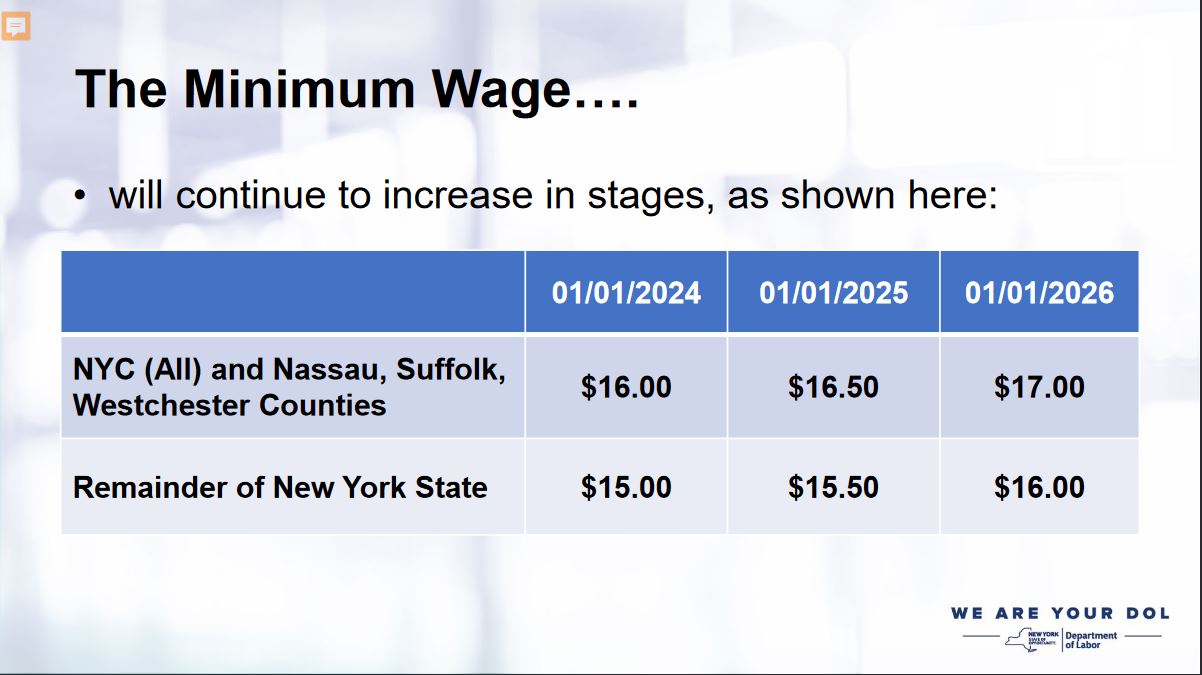
The legislative environment in New York is dynamic, and future adjustments to the minimum wage remain a possibility. Staying informed about these changes is beneficial for long-term travelers and those looking to invest in local real estate or tourism ventures.
Monitoring Legislative Changes
The state often reviews wage mandates in conjunction with inflation data and economic performance metrics. Visitors returning to New York City year after year may notice incremental changes to pricing structures as the state continues to refine its approach to cost-of-living adjustments. Whether you are trekking through the Catskill Mountains or enjoying the jazz scene in Harlem, being aware of these economic factors adds a layer of depth to your appreciation of the state’s socio-economic evolution.
The Balance Between Accessibility and Fairness
The overarching goal of these minimum wage tiers is to create a more sustainable environment for residents. By ensuring that employees in the tourism and hospitality sectors earn a living wage, the state aims to maintain the high quality of service that makes New York State a premier global destination. When you tip your server at a diner in Queens or book a suite at a hotel in Niagara Falls, you are participating in a local economy that is actively striving to balance the needs of its workforce with the demands of its visitors.
By integrating this knowledge into your travel planning, you can navigate New York State with greater confidence and a better understanding of the vibrant community that powers its tourism industry. From the iconic skyline of Manhattan to the tranquil vineyards of the Finger Lakes, your travel dollars contribute to a diverse and evolving landscape, supporting the people who work hard to ensure every visitor experiences the best of what the state has to offer.
LifeOutOfTheBox is a participant in the Amazon Services LLC Associates Program, an affiliate advertising program designed to provide a means for sites to earn advertising fees by advertising and linking to Amazon.com. Amazon, the Amazon logo, AmazonSupply, and the AmazonSupply logo are trademarks of Amazon.com, Inc. or its affiliates. As an Amazon Associate we earn affiliate commissions from qualifying purchases.