
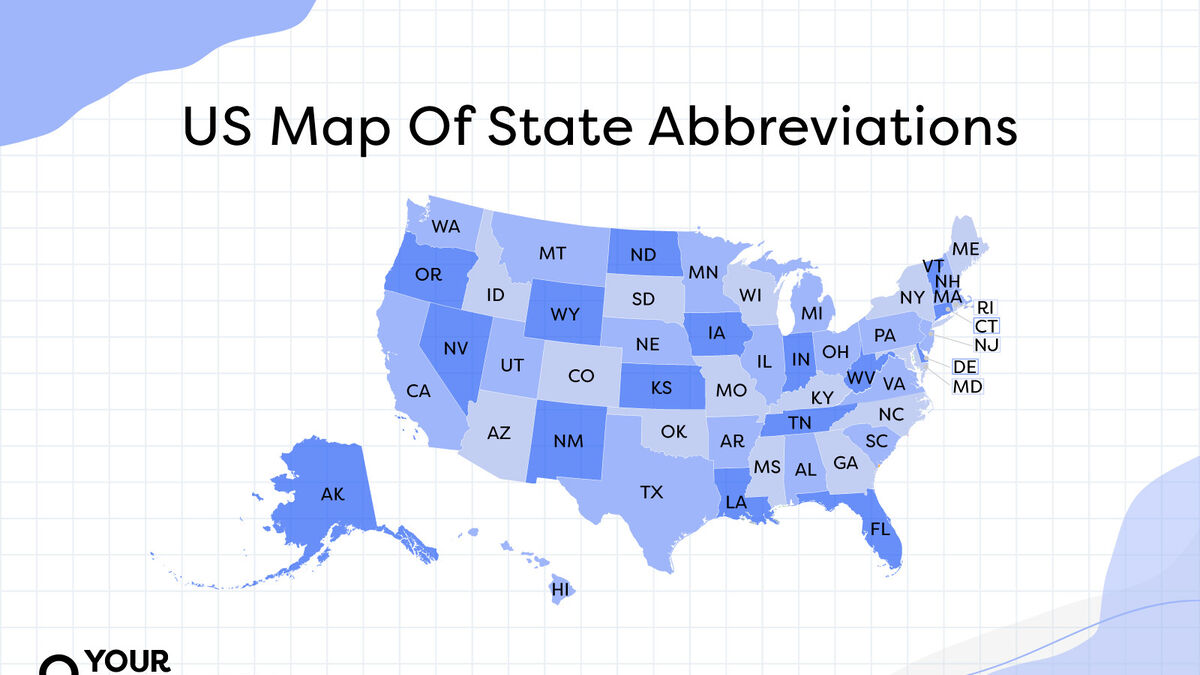
The state abbreviation for Montana is MT. While this two-letter code might seem simple, understanding the geographical context and the cultural identity of this majestic state is essential for any traveler planning an excursion to “Big Sky Country.” Whether you are addressing postcards from a rustic cabin or mapping out a route across the vast landscapes of the United States, knowing the standard postal code is just the beginning of your journey into the heart of the American West.
Exploring the Geography of Big Sky Country
When you see the letters MT on a map or a mailing address, it represents a state defined by its immense scale, rugged topography, and untamed beauty. As the fourth-largest state in the nation, Montana offers a diversity of terrain that ranges from the rolling prairies of the east to the soaring, jagged peaks of the Rocky Mountains in the west.

The Continental Divide and Mountain Ranges
The western portion of the state is dominated by the Continental Divide, which creates a dramatic backdrop for travelers exploring the wilderness. Iconic ranges such as the Bitterroot Range and the Absaroka Range offer some of the most spectacular hiking and photography opportunities in North America. For those venturing into these heights, it is important to remember that the weather can shift rapidly, making preparation a critical part of any tourism experience.
Rivers and Valleys
Beyond the peaks, the landscape is carved by powerful waterways. The Missouri River and the Yellowstone River have historically served as the lifeblood of the region. Exploring the valleys along these rivers provides travelers with a unique look at the local ecosystem, where wildlife such as elk, grizzly bears, and bald eagles are frequently spotted. Tourism in these areas is often focused on fly fishing, white-water rafting, and serene scenic drives that showcase the pristine nature of the Northern Rockies.
Iconic Destinations and Natural Landmarks
The abbreviation MT is synonymous with some of the most breathtaking national parks and protected areas in the world. Visitors from across the globe travel here to witness natural wonders that have remained largely unchanged for centuries.
Glacier National Park
Perhaps the most famous landmark in the state is Glacier National Park. Known as the “Crown of the Continent,” this vast wilderness area contains over a million acres of protected land. Travelers often traverse the famous Going-to-the-Sun Road, an engineering marvel that offers unparalleled views of glacial-carved valleys and sapphire-colored lakes like Lake McDonald.
Yellowstone National Park
While much of Yellowstone National Park lies in Wyoming, the entrances located in Montana are gateways to one of the most geothermal-active regions on the planet. Visiting the Gardiner entrance or the West Yellowstone area allows tourists to witness the majesty of geysers, hot springs, and the sheer abundance of wildlife that characterizes the park’s northern range.
Historical Sites and Cultural Hubs
The state is also home to significant historical landmarks that provide insight into the American frontier. The Little Bighorn Battlefield National Monument offers a solemn look at the conflict between the U.S. Army and the Lakota, Northern Cheyenne, and Arapaho tribes. For those interested in the arts and urban culture, cities like Bozeman, Missoula, and Helena—the state capital—provide a vibrant blend of historical architecture, local art galleries, and craft breweries.
Travel Tips for Navigating the Region
Understanding that the state abbreviation is MT is a useful tip for logistical planning, but successful travel within this expansive territory requires deeper preparation. Because the state is so sparsely populated in many areas, tourists must prioritize safety and connectivity.
Planning Your Route
Distances between major attractions can be significant. A drive from the eastern plains to the western mountains can take an entire day. It is highly recommended that travelers research their routes thoroughly, check road conditions—especially during the winter months—and ensure they have adequate supplies. Using a physical map as a backup to GPS is a smart practice in areas where cell phone service is limited.
Respecting the Environment and Wildlife
Tourism is vital to the local economy, but it is equally important to practice responsible travel. Whether you are visiting Flathead Lake or trekking through the Bob Marshall Wilderness, adhering to “Leave No Trace” principles is essential. Wildlife safety is also paramount; always maintain a respectful distance from animals, and store food properly to prevent bear encounters.
Seasonal Considerations
- Summer: The peak season for hiking, fishing, and visiting national parks. Expect warmer temperatures and longer days, perfect for exploring the backcountry.
- Autumn: Known for the changing colors of the aspen trees and the migration of wildlife. It is a quieter time to visit, often providing a more contemplative experience.
- Winter: A haven for winter sports enthusiasts. The area around Big Sky Resort is world-renowned for its skiing and snowboarding conditions.
- Spring: A time of renewal when the landscape turns green and the waterfalls are at their most powerful due to snowmelt.

Embracing the Spirit of Montana
The abbreviation MT may be a functional identifier for mail and logistics, but for the visitor, it represents an invitation to disconnect from the frantic pace of modern life and reconnect with the wild. From the historic streets of Virginia City to the awe-inspiring heights of the Beartooth Mountains, the state offers a unique tapestry of experiences.
As you plan your next trip, remember that the true value of your visit lies in the moments you spend amidst the vast horizon. Whether you are finding peace on the shores of Hebgen Lake or learning about the rich indigenous history at the Museum of the Rockies, the experiences you gather will last far longer than the simple two-letter code used to find the state on a map. Embrace the scale, respect the land, and prepare for an adventure that reaches toward the edge of the sky. By focusing on sustainable and thoughtful tourism, visitors ensure that this magnificent region remains a treasure for generations to come. Your journey into the heart of the west starts here, in a place where the landscape speaks louder than words.
LifeOutOfTheBox is a participant in the Amazon Services LLC Associates Program, an affiliate advertising program designed to provide a means for sites to earn advertising fees by advertising and linking to Amazon.com. Amazon, the Amazon logo, AmazonSupply, and the AmazonSupply logo are trademarks of Amazon.com, Inc. or its affiliates. As an Amazon Associate we earn affiliate commissions from qualifying purchases.