
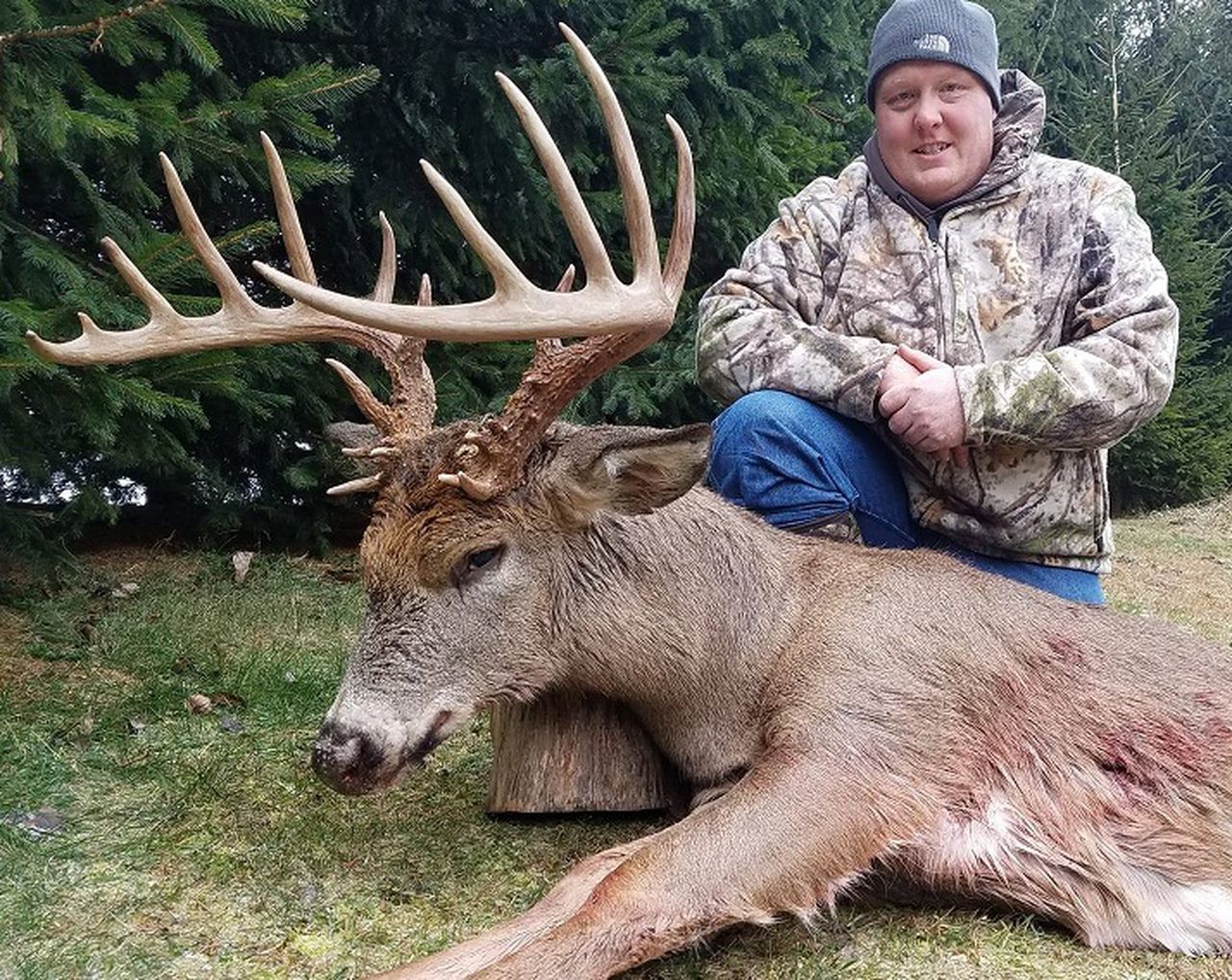
For outdoor enthusiasts and those seeking to immerse themselves in the rugged landscapes of the United States, the autumn months in New York State represent a significant shift in the rhythm of local life. As the foliage turns vibrant shades of amber and crimson across the Adirondack Mountains and the rolling hills of the Catskill Mountains, the season brings with it a time-honored tradition: deer hunting. Understanding the nuances of deer season is essential for anyone looking to engage in this quintessential regional activity, which is as much a part of the local culture as the apple orchards of the Hudson Valley or the pristine waters of the Finger Lakes.
Understanding the Regional Hunting Zones
New York State is geographically diverse, and the Department of Environmental Conservation (DEC) manages deer populations by dividing the state into specific Wildlife Management Units (WMUs). Because hunting dates vary significantly depending on where you are—from the bustling outskirts of New York City to the sprawling wilderness of the North Country—planning your trip requires precise geographical knowledge.
The Northern Zone vs. The Southern Zone
The most fundamental distinction in the state’s hunting calendar is the split between the Northern and Southern Zones. The Northern Zone, which covers the high-elevation areas and the expansive forests near the Canadian border, typically sees an earlier onset of colder temperatures. Consequently, the hunting season here often begins in late October for archery and progresses into the general firearms season by late October or early November.
In contrast, the Southern Zone—which encompasses the majority of the state, including the suburban regions surrounding Albany and the rural expanses near Binghamton—follows a different timeline. The firearms season in the Southern Zone usually kicks off in mid-November, providing hunters a chance to experience the height of the fall colors while navigating the diverse topography of the Appalachian Plateau.
Factors Influencing Season Dates
Several factors dictate why these dates are set the way they are. Biological management is the primary driver; state officials monitor herd health and population densities to ensure sustainable practices. Weather patterns also play a significant role. In regions like Buffalo or the St. Lawrence Valley, early snowfall can alter deer movement, necessitating flexible regulations that support wildlife conservation while providing ample opportunities for participants.
Essential Activities for the Hunting Season
While the primary focus for many is the hunt itself, the season serves as a catalyst for a broader range of tourism and outdoor activities. It is a time when local towns, such as Saratoga Springs or Cooperstown, see a surge in visitors who appreciate the quiet intensity of the woods.

Archery and Muzzleloader Seasons
Before the general firearms season begins, dedicated enthusiasts often take advantage of special archery and muzzleloader segments. Archery season is particularly popular for those who prefer a more meditative, silent approach to the sport. It requires a high level of skill and patience, often leading hunters to settle in areas near Lake Placid or the Delaware River, where the density of deer and the terrain offer a challenging yet rewarding experience.
Muzzleloader season, occurring shortly after the main rifle season, offers a unique historical connection to the sport. Using traditional or modern inline muzzleloading rifles, hunters return to the fields once the crowds have thinned. This period is often characterized by crisp, late-autumn air and a quieter atmosphere, making it a favorite for those who enjoy the solitude of the Catskill Park.
Responsible Tourism and Safety
Participation in deer season in New York State demands a commitment to safety and ethical standards. Whether you are trekking through the Taconic Mountains or setting up in the woodlots of the Mohawk Valley, adherence to safety regulations—such as wearing high-visibility orange and obtaining the proper state-issued licenses—is non-negotiable.
Beyond safety, local culture emphasizes respect for the land. Many hunters choose to stay in local lodges, campgrounds, or cabins near Rochester or Syracuse, contributing to the regional economy and supporting small businesses that rely on the seasonal influx of visitors. This sustainable approach ensures that the traditions of the sport remain viable for future generations while preserving the integrity of the state’s natural habitats.
Preparing for Your Trip
To make the most of your excursion, preparation must go beyond gear. You are entering a landscape shaped by millions of years of geological history and centuries of human activity.
Navigating Local Landscapes
If you are planning to visit the Allegany State Park or the vast forests of the Tug Hill Plateau, familiarize yourself with the specific WMU boundaries. Digital maps provided by the state are invaluable tools for identifying public hunting lands versus private holdings. Always remember that property boundaries are strictly enforced; seeking permission is a key component of being a respectful guest in the local community.
Seasonal Logistics
Accommodation booking is a critical step, especially if your travel dates coincide with the opening weekend of the firearms season. Small towns throughout the Southern Tier experience high demand during this period. Booking well in advance allows you to secure lodging in proximity to your chosen hunting ground, reducing travel time and allowing you to be in the field during the optimal dawn and dusk hours.

The Broader Cultural Experience
While the hunt is the anchor of the trip, the surrounding experience is what makes New York State a premier destination. The local cuisine during the autumn season is a highlight, featuring harvest-fresh produce, artisanal cheeses, and farm-to-table dining experiences in regions like the North Fork of Long Island or the rolling hills of the Finger Lakes. Spending an evening in a local tavern after a long day in the Shawangunk Mountains offers a chance to connect with local residents, share stories, and appreciate the community spirit that defines the hunting culture.
The timing of the deer season is inherently tied to the transition of the seasons. As the temperatures drop and the landscape prepares for the coming winter, the forests become a stage for one of the most dedicated groups of outdoor participants in the country. By understanding the timing of the seasons, respecting the wildlife, and engaging thoughtfully with the local communities, you ensure that your trip is not just a pursuit of a hobby, but a profound engagement with the natural beauty and enduring traditions of New York State. Whether you are an experienced hunter or an observer interested in the cultural fabric of the region, the autumnal shift provides a perfect backdrop for a memorable experience in the great outdoors. Always check the official DEC website for the most current regulations, as dates are subject to annual adjustments based on environmental conditions across the state.
LifeOutOfTheBox is a participant in the Amazon Services LLC Associates Program, an affiliate advertising program designed to provide a means for sites to earn advertising fees by advertising and linking to Amazon.com. Amazon, the Amazon logo, AmazonSupply, and the AmazonSupply logo are trademarks of Amazon.com, Inc. or its affiliates. As an Amazon Associate we earn affiliate commissions from qualifying purchases.