
The East Village is one of the most vibrant, storied, and culturally dense neighborhoods in New York City. Located on the eastern side of Lower Manhattan, it is a district defined by its bohemian history, narrow pre-war streets, and a restless creative energy that persists despite the rapid gentrification of the twenty-first century. For travelers and locals alike, pinning down the exact location and identity of this neighborhood is the first step toward uncovering the soul of the city.
Defining the Boundaries: Where Exactly Is the East Village?
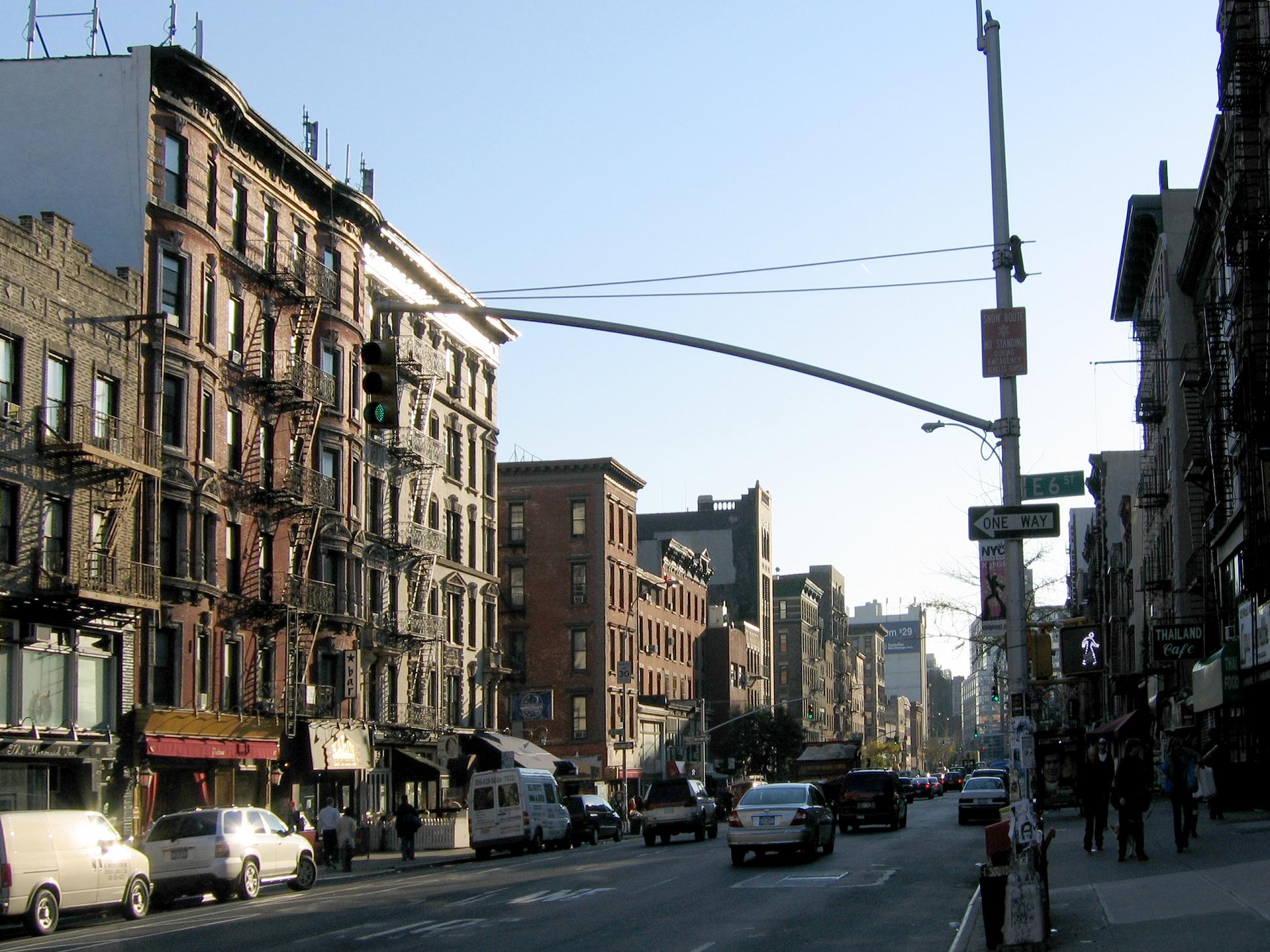
Geographically, the East Village is officially bounded by 14th Street to the north, Houston Street to the south, the East River to the east, and Third Avenue or Bowery to the west. While these lines seem clear on a map, the neighborhood’s identity is far more fluid.
The Historical Context of the Borders
Historically, the area was once considered the eastern portion of the Lower East Side. It wasn’t until the mid-twentieth century, as artists, musicians, and beatniks flooded the area in search of affordable rent, that it began to develop a distinct identity separate from the predominantly immigrant working-class culture of its southern neighbor. By the 1960s, the term “East Village” had firmly taken root, effectively branding the area as a destination for the avant-garde.
Navigating the Neighborhood Layout
The street layout of the East Village retains much of the historic charm of old New York. Unlike the rigid grid system found in Midtown Manhattan, the streets here often bend and intersect in ways that reflect the area’s older, colonial-era origins. Navigating this neighborhood requires a sense of adventure; it is a place where you are encouraged to get lost, moving from the bustling storefronts of St. Marks Place to the quiet, tree-lined corridors surrounding Tompkins Square Park.
The Cultural Heart of Lower Manhattan
If the East Village were defined by only its geography, it would be no different from any other residential district. What truly sets it apart is its history as a sanctuary for the counterculture.
A Haven for Artists and Musicians
For decades, the East Village served as the epicenter for radical movements. From the poetry slams of the 1950s to the gritty punk rock scene of the 1970s and 80s at legendary venues like CBGB (which was located just on the western fringe of the neighborhood), the streets have always echoed with the sounds of rebellion. Today, that legacy is preserved in the many independent galleries, off-Broadway theaters, and small music clubs that continue to provide a platform for new voices.

The Evolution of Tompkins Square Park
At the center of the neighborhood lies Tompkins Square Park, a green space that serves as the neighborhood’s living room. Once the site of riots and intense social activism, it has evolved into a peaceful oasis where residents gather for morning yoga, dog runs, and summer film screenings. It is a microcosm of the East Village itself: a place that has undergone significant change but remains anchored by its commitment to communal life and public expression.
Culinary and Social Landscapes
The culinary scene in the East Village is a reflection of its diverse population. Because of its history as an immigrant gateway, the streets are lined with a fusion of global cuisines, ranging from traditional Ukrainian diners to modern Japanese ramen shops.
A Global Melting Pot on Every Corner
Visitors exploring the area will find that one block can transport them from a classic New York bagel shop to an authentic Ukrainian kitchen or a hidden cocktail speakeasy. This density of variety is exactly why the East Village is considered a top-tier destination for food enthusiasts. Whether you are grabbing a quick slice of pizza or indulging in a high-end tasting menu, the dining culture here feels less like a corporate experience and more like a personal recommendation from a neighbor.
The Nightlife and Social Vibe
As the sun sets, the neighborhood shifts. The energy of the East Village becomes more electric. Unlike the polished nightlife of Chelsea or the glitz of the Meatpacking District, the nightlife here remains unpretentious. From dive bars that have served the community for fifty years to experimental mixology lounges, there is a venue for every mood. The proximity of the New York University campus nearby also ensures a steady flow of youthful energy, keeping the neighborhood nightlife vibrant well into the early morning hours.
Tips for Exploring the East Village
For those planning to visit, knowing where the East Village is only provides half the picture. To truly experience the neighborhood, one must understand how to navigate it properly.
The Best Way to Get Around
The best way to see the East Village is by walking. While the L Train provides convenient access via the First Avenue and Third Avenue stations, the neighborhood is best experienced at a walking pace. The narrow streets are often congested, and the best hidden gems—the small boutiques, the street art, and the historic brownstones—are easily missed from inside a taxi or a subway car.
Respecting the Neighborhood’s Character
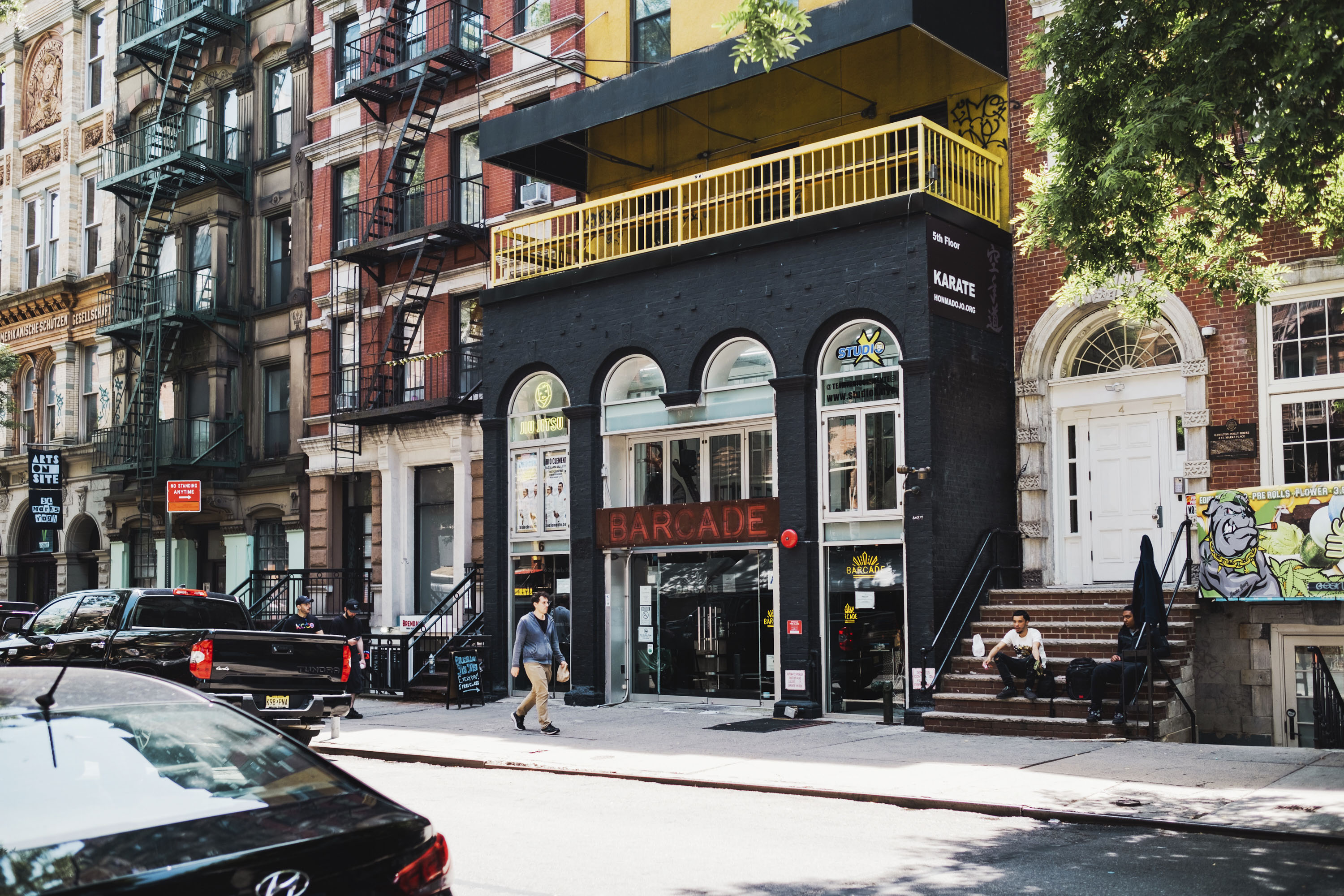
As you explore, remember that the East Village is a residential community first. It is a neighborhood of walk-up apartments, local families, and long-term residents. When walking through the quiet residential streets like Avenue B or Avenue C, appreciate the architectural beauty of the historic fire escapes and the unique character of the storefronts.
Why the East Village Remains a Must-Visit
Whether you are interested in the history of the Beat Generation, the evolution of Manhattan real estate, or simply looking for the best bowl of noodles in the city, the East Village offers a depth of experience that is rare in a city as fast-paced as New York. It remains a neighborhood of contradictions—gritty yet sophisticated, historic yet ever-changing, and profoundly, unapologetically local. By identifying its location and understanding its cultural fabric, you unlock the key to one of the most authentic urban experiences the world has to offer.
LifeOutOfTheBox is a participant in the Amazon Services LLC Associates Program, an affiliate advertising program designed to provide a means for sites to earn advertising fees by advertising and linking to Amazon.com. Amazon, the Amazon logo, AmazonSupply, and the AmazonSupply logo are trademarks of Amazon.com, Inc. or its affiliates. As an Amazon Associate we earn affiliate commissions from qualifying purchases.