
Navigating the logistics of a trip to New York requires more than just booking a flight or finding the perfect place to stay; it requires a synchronization of your internal clock with the rhythm of the city that never sleeps. Whether you are arriving for a business meeting, a Broadway show, or a leisure excursion to iconic sites, understanding the local time is the fundamental first step in ensuring your itinerary proceeds without a hitch.
The Standard Time Zone of the Big Apple
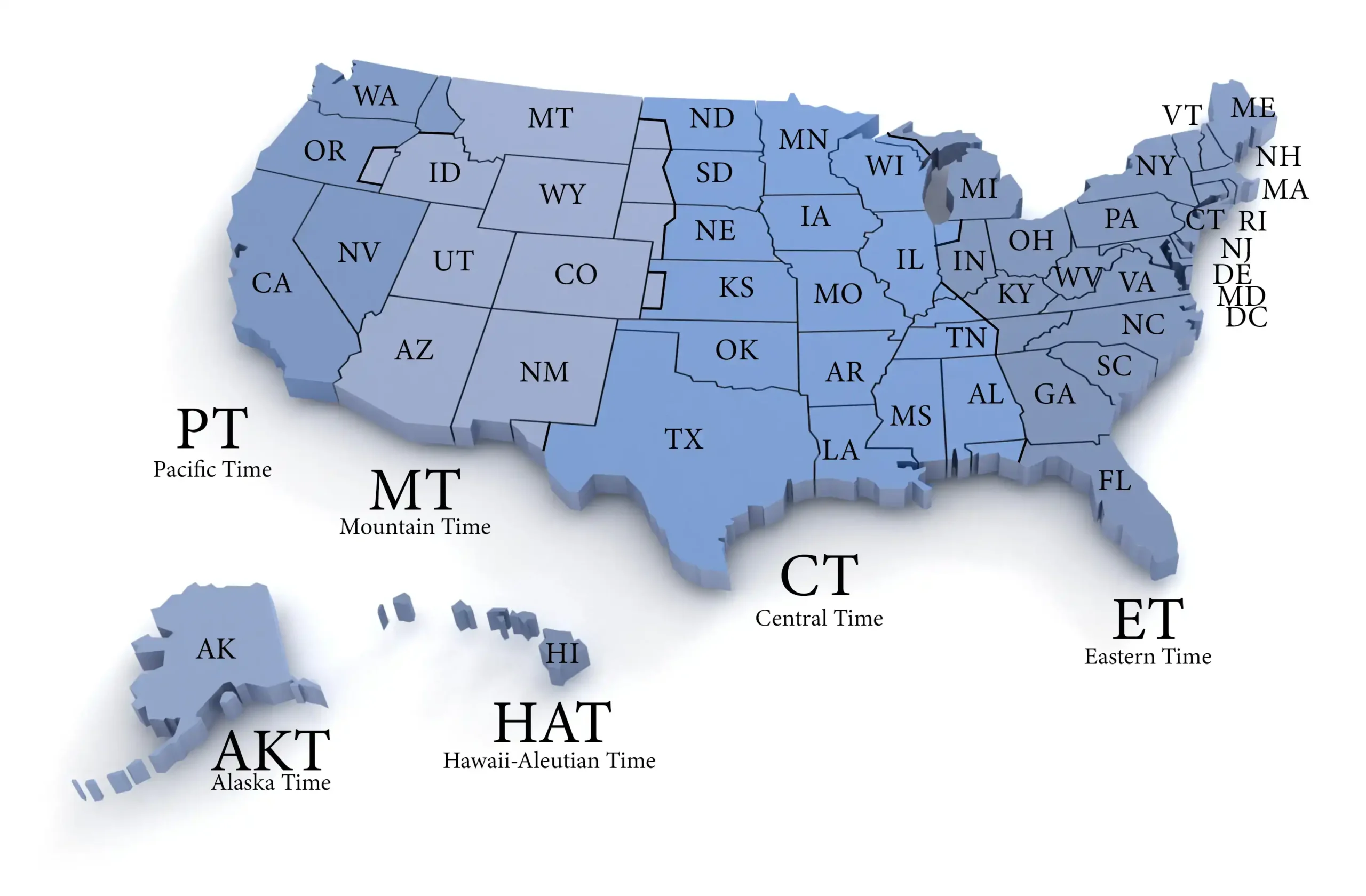
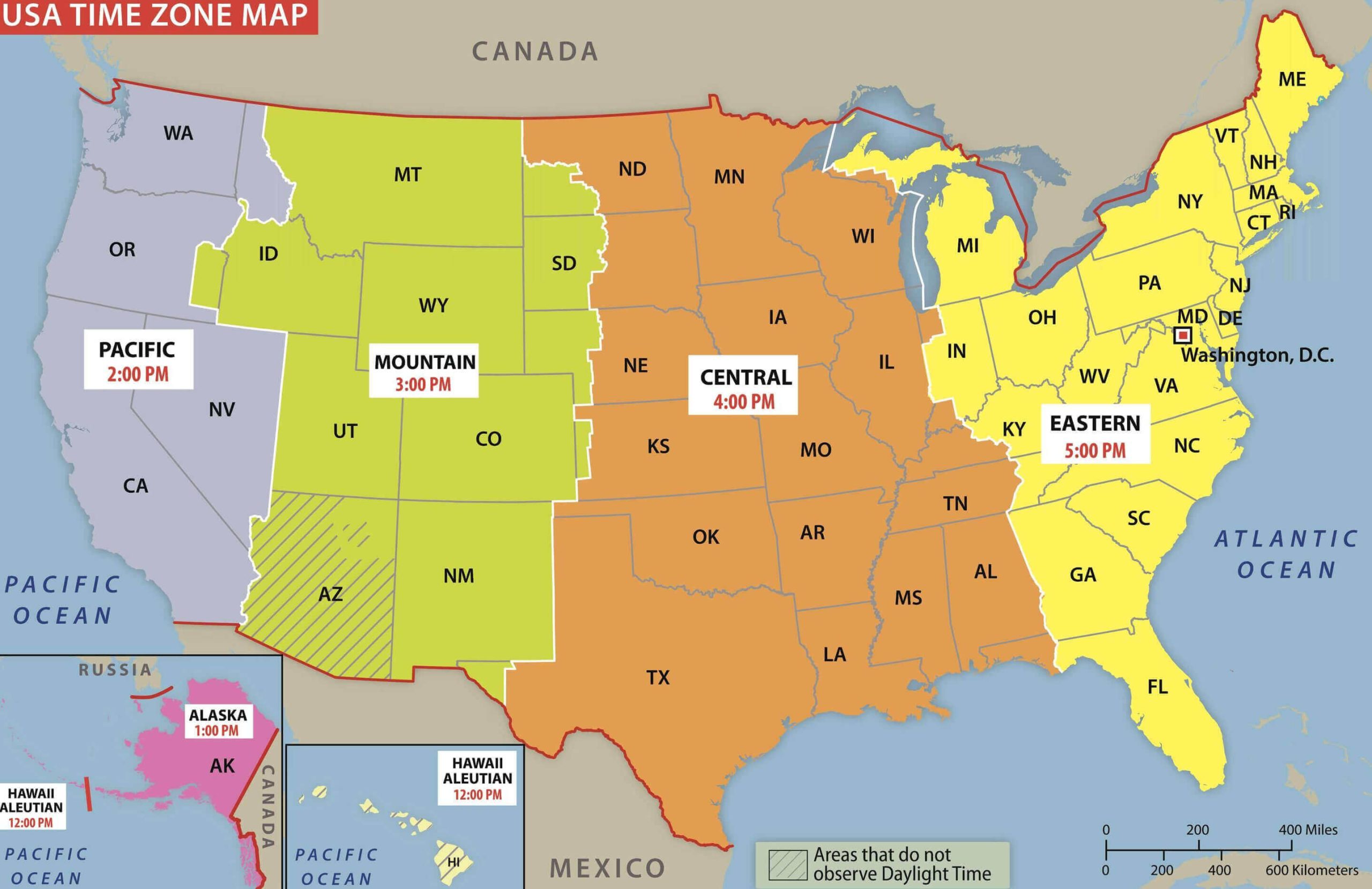
New York City operates on Eastern Time. For the vast majority of the year, this falls under Eastern Standard Time (EST), which is Coordinated Universal Time minus five hours (UTC-5). This geographical designation dictates the opening hours of businesses, the scheduled arrivals of public transportation, and the operating times for world-famous attractions like the Empire State Building or the Statue of Liberty.
Transitioning to Daylight Saving Time
It is crucial for travelers to be aware that the region observes Daylight Saving Time (DST). During the warmer months, the city shifts to Eastern Daylight Time (EDT), which moves the clock forward by one hour to UTC-4. This shift typically occurs on the second Sunday in March and concludes on the first Sunday in November. For those planning a trip during these transition weeks, it is highly recommended to double-check your flight arrival times and hotel check-in windows, as these shifts can occasionally cause confusion for international travelers coming from regions that do not practice seasonal time adjustments.
Why Time Precision Matters for Sightseers
If your goal is to experience the Metropolitan Museum of Art or catch a sunset view from Top of the Rock, being aware of the local time zone is more than just a matter of avoiding jet lag. New York operates with a distinct temporal intensity. Restaurants in Manhattan often have strictly timed seating blocks for dinner service, and popular attractions often utilize timed-entry tickets. Arriving even fifteen minutes late due to a misunderstanding of local scheduling can result in losing a pre-paid slot at a busy venue.
Managing Your Schedule Across Time Zones
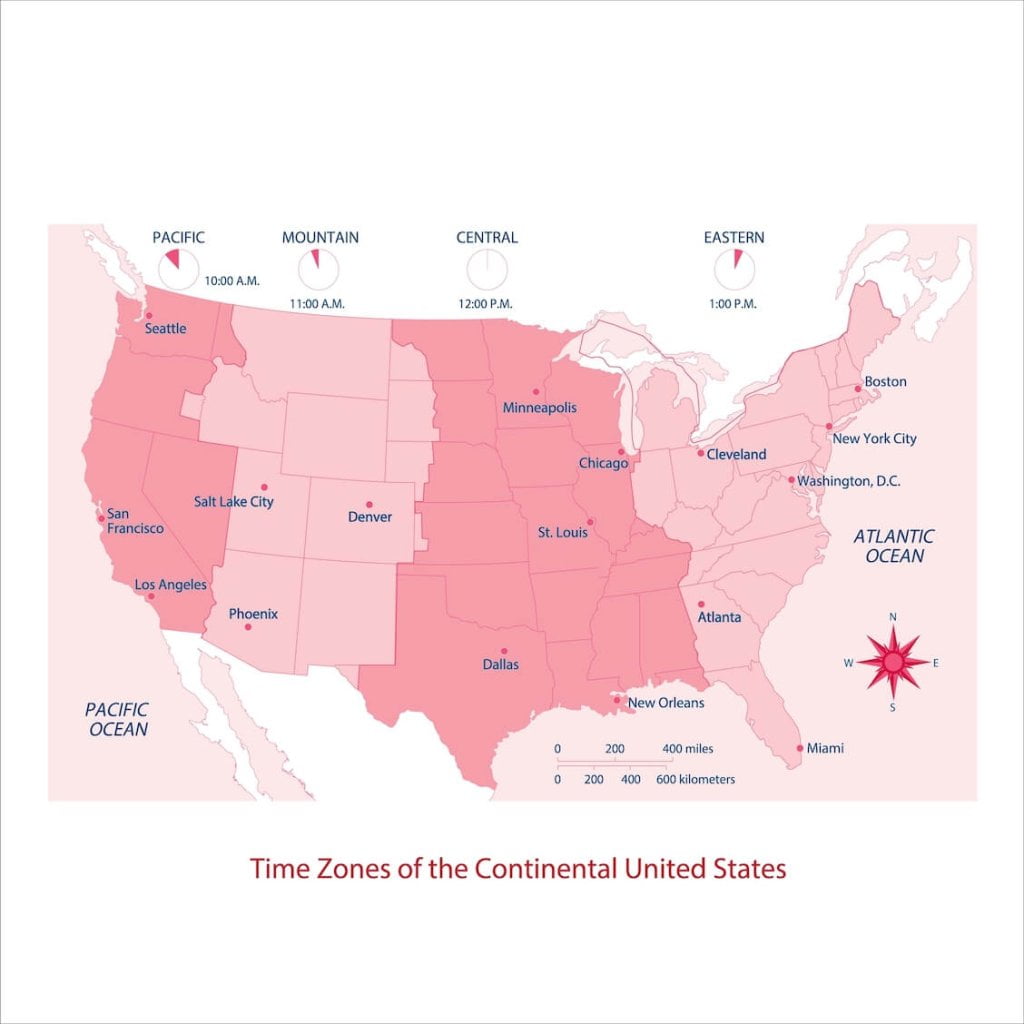
For domestic travelers, the time difference can range from one hour if you are arriving from the East Coast to three hours if you are flying in from Los Angeles or San Francisco. Effectively managing this transition is key to maximizing your time in the city.
Tips for Domestic Travelers
- Prepare in Advance: Adjust your sleep schedule by an hour or two in the days leading up to your trip to New York City. This helps mitigate the impact of the shift, especially if you are traveling from the West Coast.
- Hydration and Sunlight: Upon landing at John F. Kennedy International Airport, try to stay awake until local evening time. Sunlight is your best tool for recalibrating your circadian rhythm.
- Synchronized Planning: Use a mobile calendar that automatically adjusts to the local time zone once your phone connects to the local cell towers. This ensures that your reservations for spots like Central Park remain accurate in your digital itinerary.
Considerations for International Visitors
Travelers arriving from Europe, Asia, or South America face more significant temporal hurdles. If you are coming from London, you are facing a five-hour jump, while those flying from Tokyo will deal with a significant fourteen-hour difference. In these cases, focus on utilizing the first day of your trip for lower-intensity activities. Instead of booking a high-stress tour of Times Square immediately, consider a leisurely walk through Brooklyn Bridge Park to get acclimated to the local pace.
How Time Zones Affect Local Operations
Understanding the time zone is also essential for logistics regarding local transport and business. The New York City Subway operates 24/7, but schedules change significantly between rush hour and the late-night hours. Knowing the exact local time ensures you aren’t left waiting on a platform longer than necessary during off-peak windows.
Business and Dining Hours
If you are visiting for professional reasons, keep in mind that Eastern Time is the standard for the United States financial markets. If you are scheduling calls with clients in other parts of the country, always verify the offset. Similarly, if you are hoping to secure a table at a renowned dining establishment in Brooklyn, remember that peak dinner times in the city generally fall between 7:00 PM and 9:00 PM Eastern Time. Arriving outside of these hours can often make it easier to find seating without a reservation.
The Impact on Cultural Events
For theater-goers, the time zone is critical. Broadway performances at The Majestic Theatre or The Winter Garden Theatre start promptly. Unlike some cities where event times may be considered “suggested,” New York City culture is deeply rooted in punctuality. Being aware of whether the city is currently in EDT or EST ensures you won’t miss the opening curtain call due to a simple oversight regarding the clock.
Embracing the Rhythm of the City
Ultimately, while the technical designation of the time zone is Eastern Time, the real experience is about understanding the “New York minute.” The city pulses at a rapid pace, and syncing your own schedule to the local clock is the first step toward blending in with the locals. Whether you are visiting for a short weekend or an extended stay, aligning yourself with the local time allows you to move seamlessly from the serene paths of The High Line to the bustling corridors of Grand Central Terminal without hesitation.
By being mindful of the Eastern Time zone and the shifts brought about by Daylight Saving Time, you position yourself to make the most of every hour. From grabbing a morning coffee in Greenwich Village to watching the lights flicker on across the skyline from a rooftop bar in Midtown Manhattan, precision in your timekeeping is the key to an effortless and memorable journey. The city is ready to welcome you; make sure your watch is set accordingly.
LifeOutOfTheBox is a participant in the Amazon Services LLC Associates Program, an affiliate advertising program designed to provide a means for sites to earn advertising fees by advertising and linking to Amazon.com. Amazon, the Amazon logo, AmazonSupply, and the AmazonSupply logo are trademarks of Amazon.com, Inc. or its affiliates. As an Amazon Associate we earn affiliate commissions from qualifying purchases.