
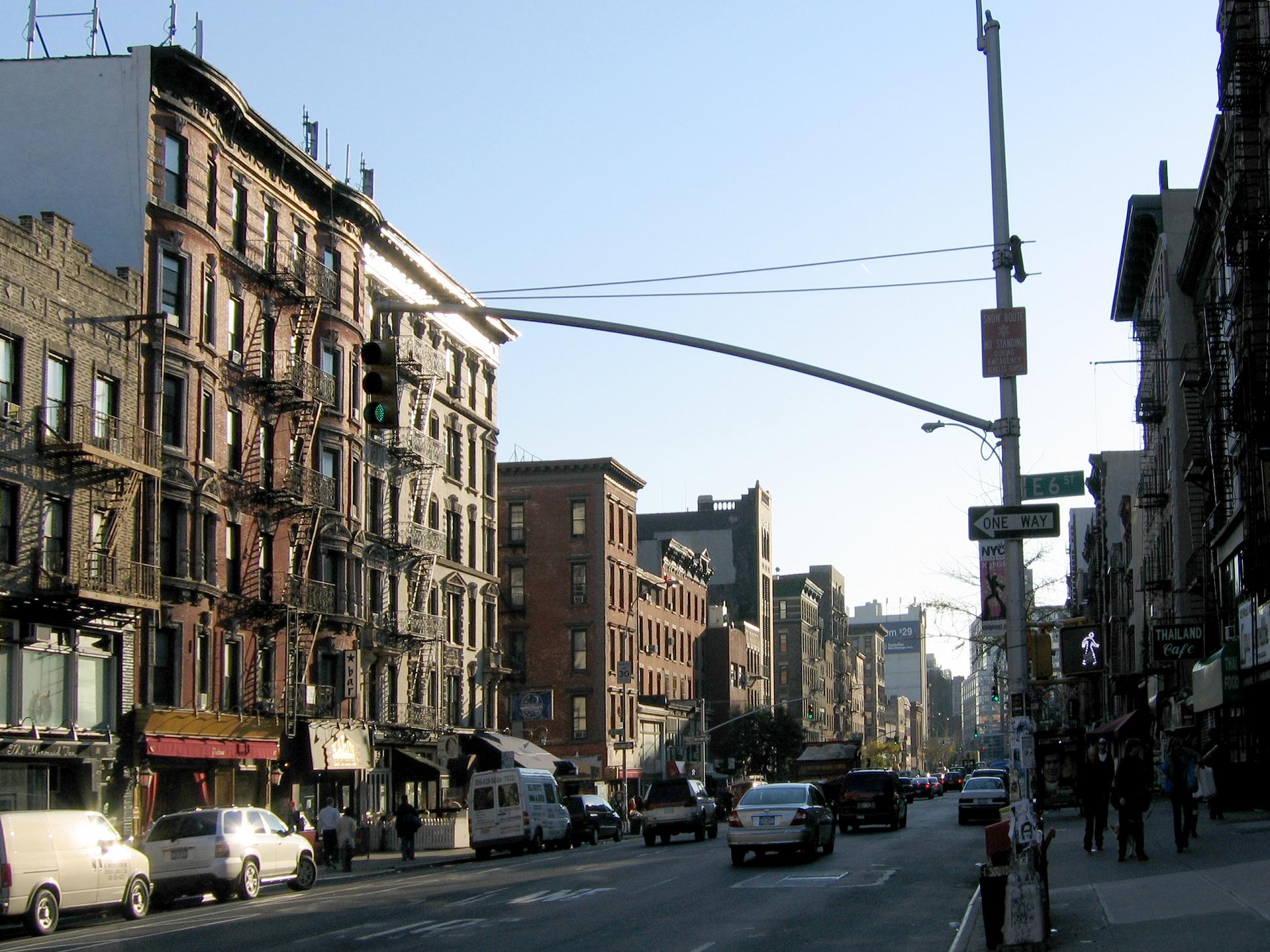
The East Village is one of the most storied and vibrant neighborhoods in New York City. Tucked away in the southeastern portion of Manhattan, it is a district defined by its bohemian past, punk rock roots, and a modern identity that balances grit with gentrification. For the uninitiated visitor, locating this neighborhood can sometimes be confusing, as it seamlessly bleeds into neighboring districts, yet it maintains a distinct atmosphere that feels worlds apart from the polished storefronts of SoHo or the corporate glass towers of Midtown.
Defining the Boundaries of the East Village
Geographically, the East Village is defined by a set of borders that evolved over decades, separating it from the Lower East Side and Gramercy Park.
Northern and Southern Perimeters
The northern boundary of the neighborhood is generally accepted to be 14th Street, which separates it from Stuyvesant Town and Gramercy. To the south, the neighborhood transitions into the historical Lower East Side at Houston Street. While developers and real estate agents have occasionally pushed these lines for marketing purposes, these two streets serve as the primary markers for locals who call the area home.
Eastern and Western Edges
Moving from west to east, the neighborhood starts at the Bowery and Third Avenue, pushing all the way to the East River. The proximity to the water is a defining feature of the neighborhood’s geography, offering residents and visitors access to the East River Park, a critical green lung in a dense urban environment.
A Neighborhood Steeped in Cultural History
To understand the East Village, one must look beyond its street signs. Its history is inextricably linked to the waves of immigrants, artists, and musicians who transformed its humble tenement buildings into the epicenter of American counterculture.
The Bohemian Legacy
Throughout the mid-20th century, the East Village served as an affordable haven for poets, painters, and activists. Figures associated with the Beat Generation found refuge in the small, walk-up apartments along Avenue A and Avenue B. This period cemented the neighborhood’s reputation as a place where the unconventional was the norm.

The Birthplace of Punk
By the 1970s and 1980s, the aesthetic shifted toward the raw energy of the punk rock movement. Iconic venues such as CBGB, while technically located slightly to the west on the Bowery, functioned as the musical heartbeat for the East Village scene. This was where bands like the Ramones and Blondie cut their teeth, turning the neighborhood into a global destination for music enthusiasts.
Navigating the Local Lifestyle
Today, the East Village offers a blend of historic charm and modern convenience. It is not a place of massive tourist attractions like Times Square or the Empire State Building; rather, it is a place for wandering, dining, and soaking in the atmosphere.
Culinary Landmarks
The food scene in the East Village is arguably one of the most diverse in Manhattan. From long-standing Ukrainian diners that honor the neighborhood’s Eastern European roots to modern Japanese izakayas and artisanal bakeries, the options are endless. St. Marks Place serves as the primary thoroughfare for cheap eats and quirky retail shops, capturing the youthful, rebellious spirit that still lingers in the air.
Green Spaces and Community
Despite its density, the neighborhood is famous for its Community Gardens. These small, volunteer-run plots of land, often tucked between brick buildings, provide a respite from the concrete. Tompkins Square Park stands as the neighborhood’s centerpiece. It is a social hub where dog walkers, students from nearby New York University, and long-time residents intersect. The park has been the site of numerous protests, festivals, and cultural milestones, making it an essential stop for anyone wanting to feel the true pulse of the East Village.
Visiting the East Village: Tips for Travelers
If you are planning to visit, the best way to experience the area is on foot. The neighborhood’s grid-like layout is highly walkable, though the side streets retain a narrow, pre-war charm that makes them feel distinct from the wider avenues.
Transportation and Accessibility
The East Village is well-connected to the rest of the city via public transit. The L Train provides direct access to Brooklyn, while various New York City Subway lines at Union Square and Astor Place make it easy to travel north or south through Manhattan. Because parking is extremely limited, relying on the subway is highly recommended for any visitor.
Finding the Hidden Gems
While the major streets are bustling, the true allure of the East Village lies in its hidden spots. Take the time to walk down Avenue C, sometimes affectionately called “Alphabet City,” to see the evolution of the neighborhood from its gritty past to its present-day status as a desirable residential area. Keep an eye out for historic brownstones, preserved theater marquees, and independent bookstores that have resisted the tide of commercialization.

A Neighborhood in Constant Motion
The East Village is not a museum piece; it is a living, breathing district that continues to reinvent itself. While the rents have risen and the punk clubs have largely given way to upscale cocktail bars and trendy boutiques, the spirit of the neighborhood remains remarkably resilient. It is a testament to the idea that some parts of New York City will always hold onto their individuality, no matter how much the city around them changes. Whether you are coming for the legendary food, the history of music, or just to get lost in the streets, you will find that the East Village offers an authentic experience that defines the very essence of urban exploration. By focusing on the local culture and the unique rhythm of its streets, visitors can walk away with a deep appreciation for why this corner of Manhattan remains one of the most compelling places to explore in the entire world.
LifeOutOfTheBox is a participant in the Amazon Services LLC Associates Program, an affiliate advertising program designed to provide a means for sites to earn advertising fees by advertising and linking to Amazon.com. Amazon, the Amazon logo, AmazonSupply, and the AmazonSupply logo are trademarks of Amazon.com, Inc. or its affiliates. As an Amazon Associate we earn affiliate commissions from qualifying purchases.