
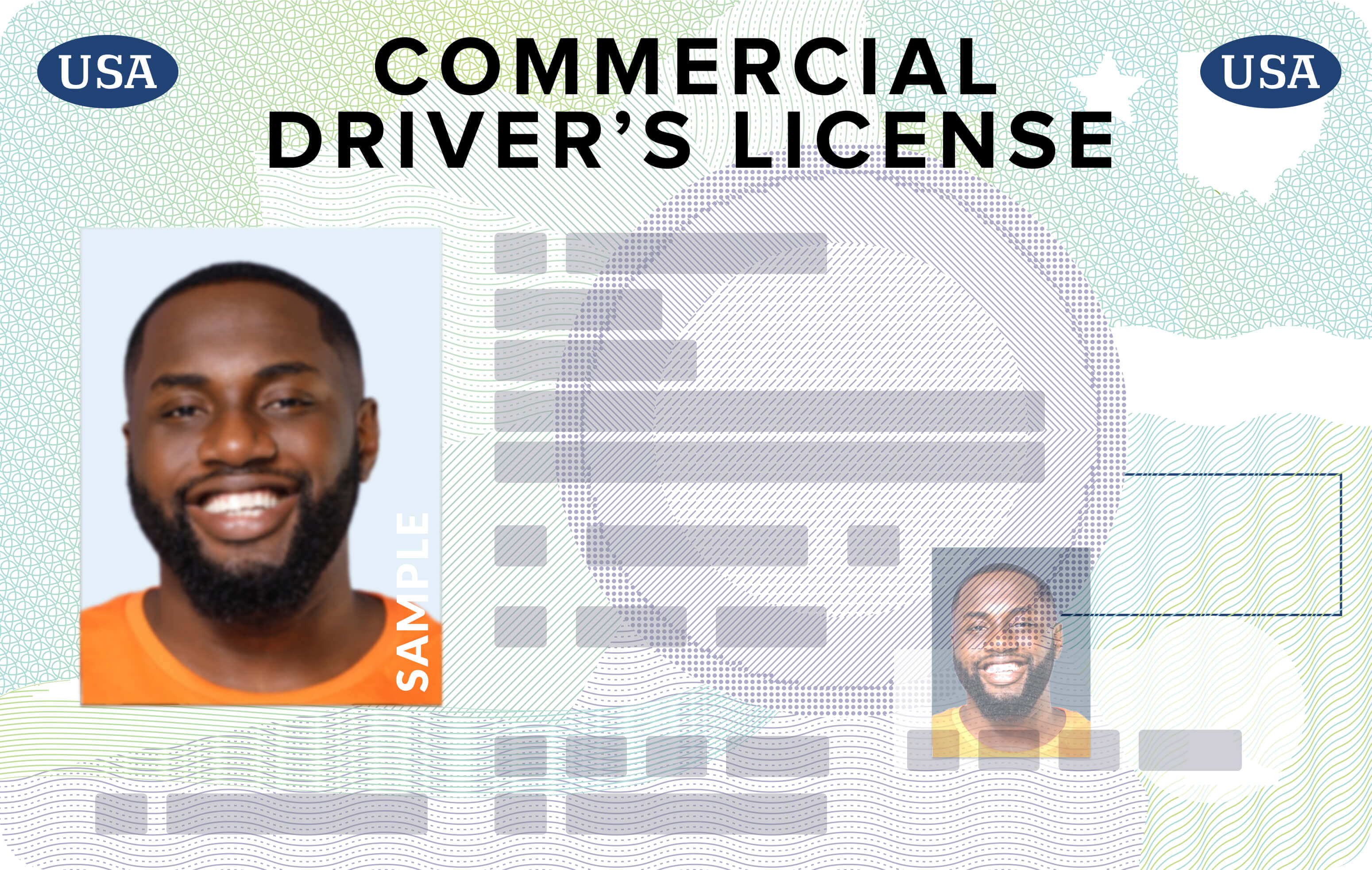
For those looking to build a career in professional transportation, obtaining a Commercial Driver’s License (CDL) is the gateway to a stable and essential profession. In Louisiana, the process is governed by the Office of Motor Vehicles (OMV), which ensures that every driver on the road possesses the technical proficiency and safety awareness required to operate heavy vehicles. Whether you are navigating the bustling streets of New Orleans or traversing the industrial corridors near Baton Rouge, the path to certification is structured to prioritize public safety and operational excellence.
Eligibility and Pre-Licensing Requirements
Before you can sit for your CDL examinations, you must satisfy a series of baseline requirements set forth by both state and federal regulations. The journey begins with establishing your legal status and physical fitness to handle large-scale machinery.

Age and Residency Prerequisites
To apply for a commercial license in Louisiana, you must be at least 18 years of age to drive intrastate—meaning you are restricted to operating within state lines. If you intend to drive across state lines or transport hazardous materials, federal law requires you to be at least 21 years old. Furthermore, you must be a resident of the state, which typically involves providing proof of residency through utility bills, bank statements, or official correspondence sent to your primary address.
The Medical Examination
Driving a semi-truck or a commercial bus is physically demanding and high-stakes. Therefore, all applicants must possess a valid Medical Examiner’s Certificate. You are required to visit a certified medical examiner listed on the Federal Motor Carrier Safety Administration (FMCSA) National Registry. During this physical, the examiner will check for conditions that could impair your driving ability, such as vision deficits, hearing loss, or uncontrolled medical issues like high blood pressure or diabetes. This certificate must be kept current throughout your career as a commercial driver.
Commercial Learner’s Permit (CLP)
The Commercial Learner’s Permit is an essential stepping stone. To obtain this, you must pass the general knowledge written exam. Once you hold your CLP, you are legally allowed to practice driving on public roads, provided you are accompanied by a driver who holds a valid CDL for the class of vehicle you are operating. Note that you must hold this permit for at least 14 days before you are eligible to schedule your final skills test.
Federal Entry-Level Driver Training (ELDT)
One of the most significant changes in the licensing process in recent years is the implementation of the Entry-Level Driver Training mandate. As of February 2022, all first-time CDL applicants must complete a standardized curriculum from a registered training provider.
Understanding the Curriculum
The ELDT mandate ensures that all new drivers, whether they are in Shreveport or Lafayette, receive the same baseline of instruction. The training is divided into two distinct components: theory and behind-the-wheel instruction. The theory portion covers subjects such as basic operation, safe operating procedures, advanced operating practices, vehicle systems, and reporting malfunctions.

Selecting a Training Provider
It is vital to verify that your school is listed on the FMCSA’s Training Provider Registry. If you complete your training with a non-registered entity, your credits will not be recognized by the Louisiana OMV, and you will not be permitted to proceed to the skills evaluation. Many community colleges and private trucking schools across the state are registered providers and can help you navigate these requirements efficiently.
Navigating the CDL Examinations
The examination process is designed to be rigorous. It is not merely a test of your ability to steer a vehicle; it is a comprehensive assessment of your ability to handle a heavy-duty asset in complex environments.
The Written Knowledge Test
The written portion consists of multiple-choice questions that cover everything from air brake systems and vehicle inspections to Louisiana-specific traffic laws. Depending on the class of license you are pursuing—Class A, B, or C—you may need to take additional knowledge tests for endorsements. Endorsements are required for specialized cargo or vehicle types, such as tankers, double/triple trailers, or passenger vehicles. Study the Louisiana Commercial Driver’s Manual thoroughly, as it serves as the definitive source for exam content.
The Pre-Trip Inspection
Perhaps the most intimidating portion of the skills test is the pre-trip inspection. You are expected to demonstrate to the examiner that you can identify every critical mechanical component of your vehicle, from the braking system and suspension to the electrical wiring and coupling devices. This section tests your commitment to preventative maintenance and safety protocols. If you cannot explain the function and safety status of these parts, you will not pass this section.
The Road Skills Test
The final hurdle is the road test. You must provide a vehicle that corresponds to the class of license you are applying for. The examiner will evaluate your ability to execute basic maneuvers, such as backing into a dock, parallel parking, and maintaining lane control. Once you move onto the open road, you will be tested on your ability to handle intersections, merge onto highways, perform smooth gear shifts, and manage speed in diverse traffic conditions. Remember that driving a commercial vehicle requires a different set of spatial awareness than operating a passenger car; the examiner will be closely monitoring your turns and following distances.
Career Paths and Maintaining Compliance
Once you have successfully passed your exams and obtained your license, your journey in the transportation industry is only just beginning. Louisiana serves as a major logistics hub, and a CDL opens doors to various career paths.
Class A, B, and C Distinctions
Understanding your license class is vital for your employability.
- Class A: Required for combination vehicles with a Gross Vehicle Weight Rating (GVWR) of 26,001 pounds or more, provided the towed unit exceeds 10,000 pounds. This is the standard for long-haul trucking.
- Class B: Required for single vehicles with a GVWR of 26,001 pounds or more, or such a vehicle towing a unit not exceeding 10,000 pounds. This is often used for dump trucks, delivery trucks, and buses.
- Class C: Required for smaller vehicles that do not meet the A or B criteria but are used to transport hazardous materials or more than 16 passengers.
Ongoing Responsibilities
Maintaining your CDL is a professional responsibility. You must adhere to all state and federal traffic regulations, as commercial drivers are held to higher standards than the average motorist. Serious traffic violations—such as driving under the influence or leaving the scene of an accident—can lead to the permanent revocation of your CDL. Additionally, you must ensure that your medical certificate remains updated. Set reminders for your physical exams to avoid any lapses in your licensure.
The transportation industry in Louisiana relies on skilled, safety-conscious professionals. By following the structured path from ELDT training to the final skills evaluation, you position yourself to succeed in a vital role that keeps our economy moving. Stay informed, practice diligent safety habits, and take pride in your role on the road.
LifeOutOfTheBox is a participant in the Amazon Services LLC Associates Program, an affiliate advertising program designed to provide a means for sites to earn advertising fees by advertising and linking to Amazon.com. Amazon, the Amazon logo, AmazonSupply, and the AmazonSupply logo are trademarks of Amazon.com, Inc. or its affiliates. As an Amazon Associate we earn affiliate commissions from qualifying purchases.