
Tucked away in the quiet, tree-lined streets of the Manhattan borough, Gramercy Park stands as one of the most enigmatic and exclusive landmarks in New York City. Unlike the sprawling, public-facing expanses of Central Park, this iconic green space is defined by its intimacy, its locked wrought-iron gates, and a history that feels worlds apart from the frantic pace of Midtown Manhattan. For those navigating the urban landscape of the United States, understanding where to find this sanctuary—and how to appreciate its unique status—is an essential rite of passage for any visitor.
Locating the Enclave of Gramercy
Gramercy Park is situated within the historic Gramercy neighborhood, a sub-district of the larger Flatiron District. Geographically, the park is positioned between East 20th Street and East 21st Street, spanning the area between Lexington Avenue and Third Avenue.
Navigating the District
Accessing this part of New York is straightforward for those familiar with the city’s grid system. If you are traveling by subway, the most convenient entry point is via the 6 train at the 23rd Street station. From there, a brief walk south leads you into the heart of a district that feels frozen in the mid-19th century. As you transition from the bustling avenues, the change in atmosphere is immediate; the skyscrapers give way to brownstones, and the city roar softens into a gentle hum.
Proximity to Surrounding Landmarks
The park acts as a silent anchor to several significant nearby features. A short stroll west leads to the iconic Flatiron Building, while a walk east brings you toward the medical corridors of Kips Bay. The neighborhood’s central location makes it an ideal waypoint for architectural enthusiasts who wish to contrast the rigid geometry of the surrounding city with the soft, manicured landscaping of the park itself.
The History and Exclusivity of the Park
The allure of Gramercy Park lies not just in its location, but in its status as one of only two private parks in the city. Its origins date back to 1831, when Samuel Ruggles, a developer and visionary, transformed a swampy area—known then as Cedars Hill—into a residential square modeled after the squares of London.
The Power of the Key
The most distinctive feature of the park is that it remains strictly private. Only the residents living in the thirty-nine buildings that border the park hold a key. This tradition of controlled access has persisted for nearly two centuries, protecting the tranquility of the space from the millions of tourists who descend upon North America each year.

Architectural Preservation
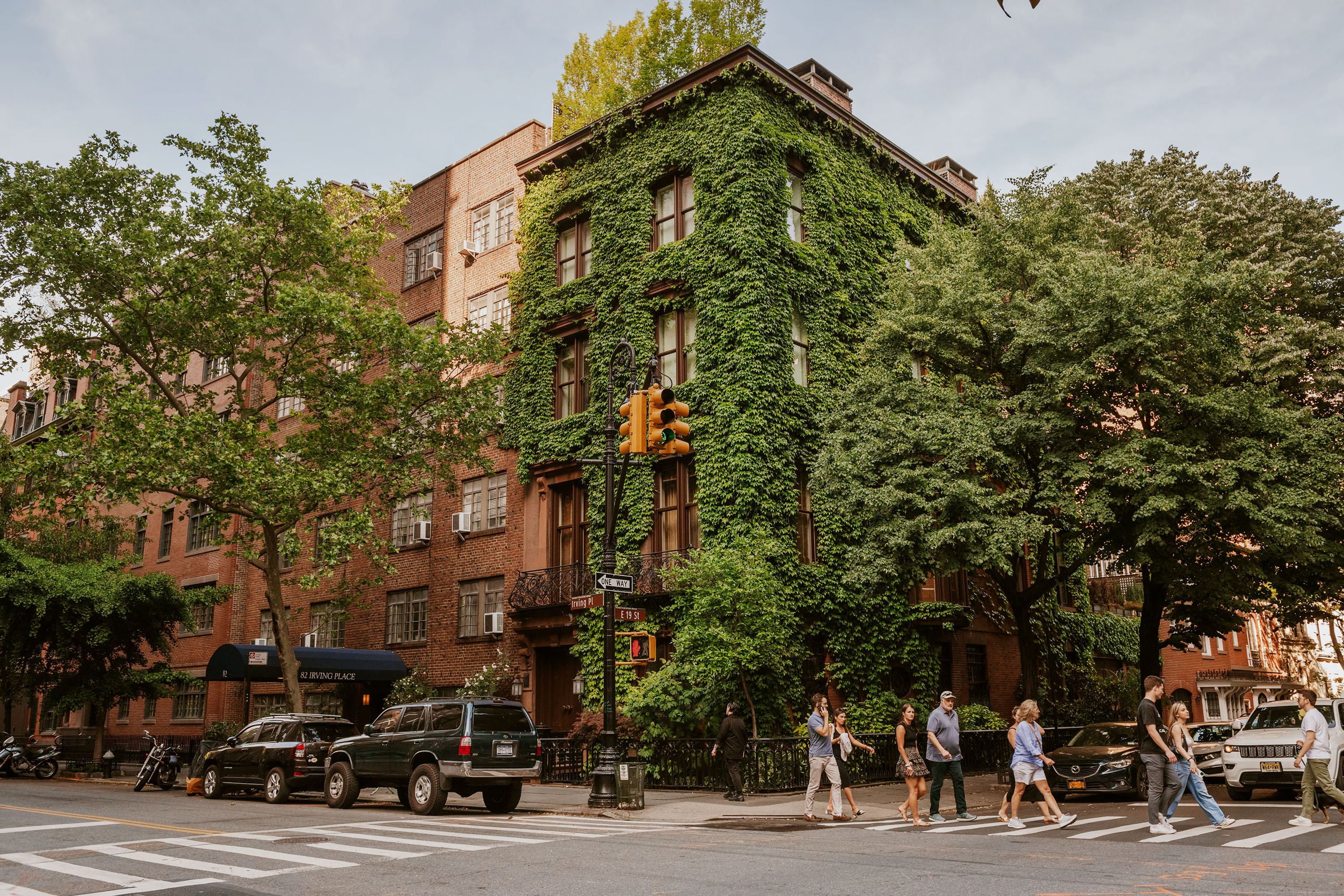
The buildings surrounding the park are themselves landmarks. Styles range from Greek Revival to Italianate and Victorian Gothic. Walking around the perimeter, one can observe the preserved facades that have sheltered poets, novelists, and socialites since the Gilded Age. The park serves as a time capsule, maintaining an aesthetic continuity that is rare in a city known for constant demolition and reconstruction.
Experiencing the Neighborhood Beyond the Gates
While the interior of the park is off-limits to the general public, the surrounding area offers a rich, immersive experience for those who appreciate history and local charm. The neighborhood is celebrated for its low-key luxury and cultural depth.
Dining and Socializing
The area is home to legendary institutions that capture the spirit of old-world New York. The Gramercy Park Hotel has long served as a cultural beacon, hosting everyone from screen legends to avant-garde artists. Even for those not staying at the property, the neighborhood provides a wealth of classic bistros and cozy cafes. Many of the streets radiating from the park host hidden culinary gems where one can enjoy a meal while observing the refined architecture of the district.
Walking Tours and Sightseeing
For the traveler interested in the nuances of urban design, a walking tour of the surrounding streets is highly recommended. Pay close attention to the ironwork on the gates of the park—they are genuine relics of the 19th century. Furthermore, nearby Union Square offers a stark, vibrant contrast to the hushed tones of Gramercy, allowing visitors to experience both the private calm of the residential square and the public energy of a major cultural hub within a five-minute walk.
Cultural Significance
The preservation of the park is often debated, yet it remains a testament to the importance of green space in dense metropolitan environments. Whether you are viewing it from the sidewalk or capturing its image from a nearby rooftop, the park represents a specific vision of American urbanism—one that prioritizes community, history, and a deliberate separation from the rapid churn of modern life.

Practical Tips for Visitors
If you find yourself in New York and wish to include a visit to this area in your itinerary, there are a few things to keep in mind to ensure a respectful and rewarding experience.
- Respect Privacy: Remember that the park is the front yard of private residences. Please refrain from attempting to enter or disrupting the residents who enjoy the space.
- Visit During the Day: The light hitting the townhouses on East 20th Street is particularly beautiful in the late afternoon. This is the optimal time to appreciate the architectural textures of the area.
- Combine Your Visit: Because the park itself is a quick stop, pair your trip with a visit to nearby landmarks such as Theodore Roosevelt Birthplace National Historic Site. This site offers a rare opportunity to see the interior of a historic home in the area and provides excellent context regarding the era in which the neighborhood was developed.
- Observe the Seasons: Gramercy Park is perhaps most stunning during the transition into autumn, when the leaves of the park’s mature trees contrast sharply against the dark brownstone of the neighboring residences.
As you explore the streets of New York, finding Gramercy Park is not just about identifying a point on a map. It is about locating a sliver of history that refuses to change. While many of the world’s most famous parks are open to the masses, Gramercy Park endures as a silent, locked gate—a reminder that in the heart of a city that belongs to everyone, there are still corners that remain exclusively, and stubbornly, their own. By visiting the surrounding streets, you participate in the legacy of a neighborhood that has defined New York City culture for generations, offering a glimpse into a refined, quiet world that sits just inches away from the relentless beat of the city.
LifeOutOfTheBox is a participant in the Amazon Services LLC Associates Program, an affiliate advertising program designed to provide a means for sites to earn advertising fees by advertising and linking to Amazon.com. Amazon, the Amazon logo, AmazonSupply, and the AmazonSupply logo are trademarks of Amazon.com, Inc. or its affiliates. As an Amazon Associate we earn affiliate commissions from qualifying purchases.