
When audiences first witnessed Martin Scorsese’s cinematic epic Gangs of New York, the visceral portrayal of mid-19th-century New York City left many questioning where the Hollywood dramatization ended and where the genuine historical record began. To understand the reality behind the film, one must peel back the layers of grit, politics, and social upheaval that defined the Five Points neighborhood during a transformative era in United States history. While characters like Bill the Butcher are caricatures, the world they inhabited was very much a living, breathing, and often violent reality.
The Historical Reality of the Five Points
At the heart of the film lies the Five Points district, a neighborhood that sat at the intersection of five streets in Lower Manhattan. Historically, this area was notorious for its squalor, disease, and density, serving as a landing point for waves of immigrants—most notably the Irish—fleeing famine and poverty.

A Crucible of Urban Poverty
The Five Points was not merely a backdrop for street fights; it was a societal phenomenon. Immigrants arriving in the mid-1800s were crammed into dilapidated tenements that offered little protection from the elements or the spreading of illnesses like cholera and tuberculosis. This extreme density, coupled with a lack of sanitation infrastructure, created a landscape of desperation. Historians have documented that the neighborhood was one of the most dangerous and impoverished places in the Western world at the time, a far cry from the architectural elegance seen in more affluent parts of the city.
The Rise of Nativism
The tension between the established Protestant residents and the new wave of Catholic Irish immigrants was the engine driving the conflict in the film. The Nativist movement, represented by the “Know Nothing” political party, feared that the influx of immigrants would dilute their influence and threaten their economic security. This sociological friction was authentic. Public discourse in the New York State of the 1850s was dominated by anti-immigrant sentiment, fueled by economic competition for low-wage labor and deep-seated religious biases. The film successfully captures this palpable anxiety, even if it condenses a decade of social friction into a singular narrative arc.
Fact versus Fiction: The Key Figures
While the film thrives on the charisma of its protagonists, it is essential to distinguish between the legendary figures who walked the streets of Manhattan and the creative liberties taken by the screenwriters.
William Poole: The Real Bill the Butcher
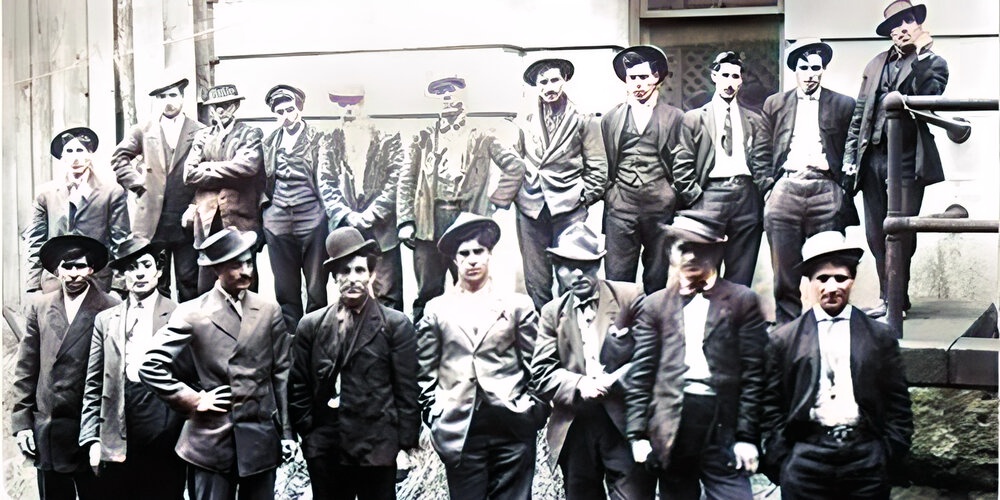
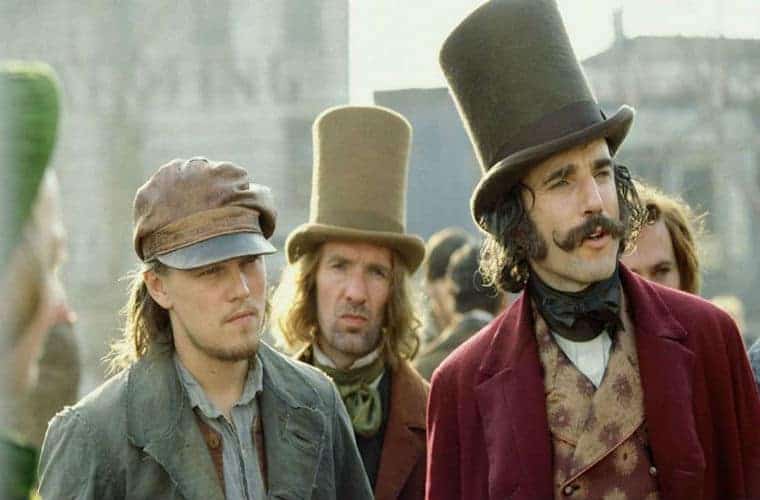
The character of William “Bill the Butcher” Cutting, played by Daniel Day-Lewis, is based on a real person: William Poole. Poole was indeed a butcher by trade and a powerful leader of the Bowery Boys, a nativist gang. However, the real Poole was more involved in the political machines of the day—specifically Tammany Hall—than the film might suggest. He was a prominent figure in the “Know Nothing” movement and exercised immense influence over the polling stations, often using force to ensure the “right” people cast their votes. While his end was violent, it occurred in a barroom in Broadway rather than in the dramatic final confrontation depicted in the movie.
Amsterdam Vallon and the Fictionalized Resistance
Unlike Poole, the protagonist Amsterdam Vallon is a work of fiction. He serves as an audience surrogate, a lens through which we explore the clash between the Dead Rabbits and the Bowery Boys. The Dead Rabbits were a real street gang, and their rivalry with the Bowery Boys is well-documented in the annals of New York crime. The film uses these real-world entities to humanize the systemic inequality that plagued the city, placing a fictional hero at the center of the fray to navigate the chaotic politics of the era.
The Political Machines of 19th Century New York
If there is one aspect of the film that rings most true, it is the depiction of the political corruption governing the city. The rise of Tammany Hall during this period changed the trajectory of urban governance in America.
The Power of the Ballot
In the 1850s, politicians realized that the immigrant population represented a massive, untapped voting bloc. By providing basic necessities—coals for winter, food, or assistance in finding work—political bosses gained the lifelong loyalty of the Irish immigrant community. This relationship was the cornerstone of the patronage system that would define city politics for the next century. The movie brilliantly showcases how gangs were used as the enforcement arm for these political interests, ensuring that neighborhoods remained loyal and that opposition was physically deterred.
The Draft Riots: A Moment of Total Anarchy
The climax of Gangs of New York focuses on the Civil War Draft Riots of 1863, an event that remains one of the darkest chapters in the history of North America. The riots were a real, massive uprising caused by anger over the Conscription Act, which allowed wealthy individuals to buy their way out of military service for $300. The film accurately portrays the horror of these riots, during which the city descended into a week of looting, arson, and racial violence. The sight of Union warships firing on the city from the East River is a chilling piece of history that, while depicted with dramatic flair, is grounded in the grim facts of that July.
Legacy and Memory of the Five Points
Today, the physical location of the Five Points has vanished, replaced by modern city development, yet its shadow remains. Visitors exploring City Hall Park or the surrounding areas of the Financial District are walking over the bones of a neighborhood that transformed the city’s demographic makeup forever.
From Slums to Landmarks
Where the tenements of the Five Points once stood, there is now a vastly different urban reality. The area is close to the Brooklyn Bridge, an iconic structure that stands as a symbol of the engineering prowess of a later, more industrial era. Understanding the history of the Five Points is crucial for any traveler or student of history who wishes to grasp the “melting pot” concept in its most raw, unvarnished form. The film, for all its dramatization, succeeds as a historical vessel, transporting the viewer back to a time when New York was still forging its identity through fire, blood, and a desperate struggle for survival.
Why the Myth Matters
The “true story” of the gangs is not just about the fights or the specific crimes. It is about the transition of a city from a chaotic, lawless frontier to a centralized metropolis. The conflicts were the birth pains of modern American politics and urban society. Whether or not every scene happened exactly as shown on the screen, the essence—the immigrant experience, the corruption, and the relentless drive for status—remains a core part of the American narrative. For those who visit New York, look past the skyscrapers and the luxury boutiques; the ghosts of the Five Points are still there, hidden beneath the pavement, reminding us of the cost of building a city that stands as the capital of the world.
LifeOutOfTheBox is a participant in the Amazon Services LLC Associates Program, an affiliate advertising program designed to provide a means for sites to earn advertising fees by advertising and linking to Amazon.com. Amazon, the Amazon logo, AmazonSupply, and the AmazonSupply logo are trademarks of Amazon.com, Inc. or its affiliates. As an Amazon Associate we earn affiliate commissions from qualifying purchases.