
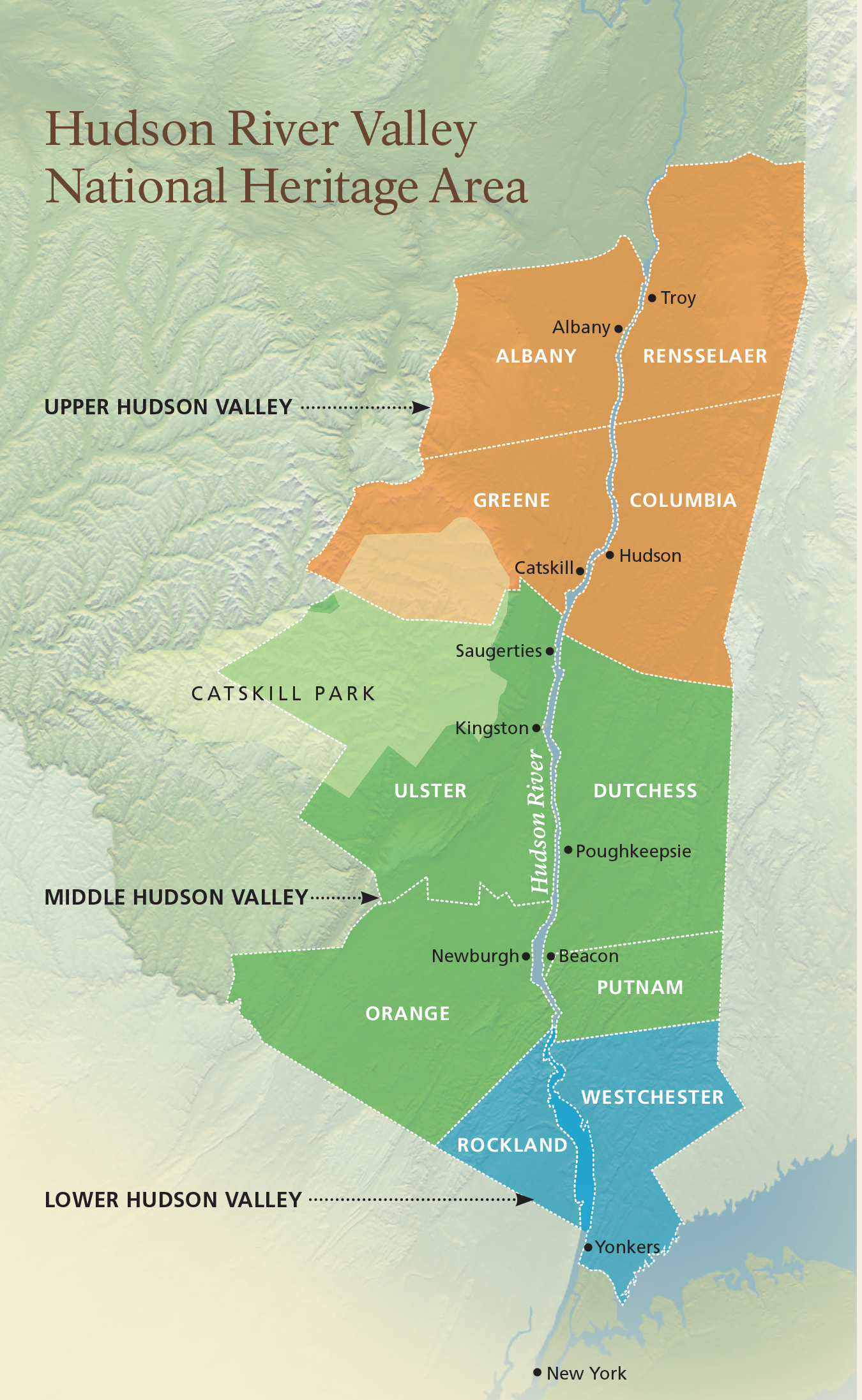
Nestled along the eastern bank of the majestic Hudson River, the city of Hudson occupies a unique position in the geography of New York. Often cited as a premier destination for those looking to escape the relentless pace of New York City, this historic settlement serves as a gateway to the Hudson Valley region. Understanding its location is the first step in unlocking the charm of a destination that has evolved from a nineteenth-century whaling port into a modern epicenter for art, design, and culinary excellence.
Geographical Significance and Accessibility
Located approximately 120 miles north of the Manhattan skyline, Hudson sits squarely in Columbia County. Its placement is strategic, acting as a northern anchor to the Hudson Valley while remaining easily reachable for travelers from both New York State and neighboring Massachusetts.

The Rail Connection
One of the primary reasons for the city’s resurgence as a top-tier destination is the Hudson Amtrak Station. Being one of the few regional hubs with a direct line to Penn Station, Hudson allows urbanites to transition from a concrete jungle to the quietude of the riverside in just over two hours. This accessibility has turned the city into a weekend haven for those seeking a reprieve without the necessity of a car.
Proximity to Regional Landmarks
Beyond its local appeal, the city acts as a base camp for exploring the wider Upstate New York area. To the west, the Catskill Mountains provide a rugged backdrop, offering hiking trails and scenic overlooks that contrast sharply with the river-level elevation of Hudson. To the east, the rolling hills of the Berkshires beckon, offering a cultural landscape that complements the sophistication found within the city’s own historic districts.
A Historic and Cultural Corridor
The identity of Hudson is inseparable from its location on the water. Founded in 1785, the city’s growth was fueled by its maritime history, which necessitated a deep-water port capable of supporting a global whaling fleet. Today, that history is preserved in the architectural fabric of the town, specifically along its main artery, Warren Street.
Architectural Preservation
Walking down Warren Street, one is struck by the density of nineteenth-century structures. The city avoided the urban renewal projects that demolished so much of the historic character in other parts of the United States, allowing a wealth of Federal, Victorian, and Georgian homes to remain standing. These buildings now host an array of high-end boutiques, galleries, and furniture stores that define the city’s modern aesthetic.
The Arts District
Beyond mere commerce, Hudson has carved out a reputation as a cultural destination. The proximity to Olana State Historic Site—the former home of the Hudson River School painter Frederic Edwin Church—serves as a reminder of the region’s long-standing connection to the fine arts. This artistic lineage is evident in the dozens of galleries scattered across the town, drawing collectors and enthusiasts from as far as Europe and Asia.
The Culinary Landscape of the Hudson Valley
Because of its fertile soil and proximity to the river, the area surrounding Hudson has become a focal point for the farm-to-table movement. The culinary scene here is not merely an amenity; it is a fundamental aspect of the tourism experience.
Local Produce and Gastronomy
The city serves as a market for the agricultural bounty of Columbia County. Visitors will find that menus in the city change with the seasons, showcasing ingredients sourced from small-scale farms located mere minutes from the city center. This commitment to local sourcing has elevated the dining scene in Hudson to rival the most prestigious culinary hubs in North America.
Riverside Dining Experiences
The unique geography of the city allows for a dining experience that few other inland towns can offer. By integrating the Hudson River into the visitor experience—whether through waterfront bistros or vantage points that offer a sunset view over the water—the city provides a sense of place that is both grounding and expansive.
Navigating the Region: Tips for the Discerning Traveler
To fully appreciate where Hudson sits in the regional hierarchy, it is beneficial to view it as part of a larger ecosystem of exploration. Whether traveling for a day or a longer retreat, the city functions best when treated as a home base.
Strategic Itinerary Planning
For those traveling from New Jersey or Connecticut, Hudson offers a perfect middle ground. It is situated far enough from the Tri-State Area to feel like a legitimate escape, yet close enough that travel fatigue never sets in. Visitors often combine their trips with visits to nearby Rhinebeck or the industrial-chic sites found in Kingston, utilizing the river crossings to create a circular tour of the valley.
Seasonal Considerations
The geography of Hudson also dictates its seasonal appeal. During the autumn months, the Hudson Valley foliage attracts tourists from across the globe, turning the drive up the Taconic State Parkway into a scenic event in itself. In contrast, the winter season reveals a quieter, more intimate side of the city, where cozy inns and roaring fireplaces become the primary attraction. Summer, meanwhile, is dominated by the vibrancy of the riverfront, where locals and visitors alike take advantage of the Hudson River Skywalk to traverse the water and soak in the expansive vistas.

Final Thoughts on a Destination
Hudson is more than just a pin on a map. It is a synthesis of history, geography, and modern refinement. By understanding its location—tucked between the river and the hills, easily connected to the world yet distinctly provincial—travelers can better appreciate why this city has become such a compelling draw. It is a place that rewards those who take the time to explore its streets, listen to its river, and engage with the culture that has been meticulously curated over centuries. Whether you arrive by train, boat, or car, the city remains a testament to the enduring appeal of the Hudson Valley as one of the most storied regions in the United States.
LifeOutOfTheBox is a participant in the Amazon Services LLC Associates Program, an affiliate advertising program designed to provide a means for sites to earn advertising fees by advertising and linking to Amazon.com. Amazon, the Amazon logo, AmazonSupply, and the AmazonSupply logo are trademarks of Amazon.com, Inc. or its affiliates. As an Amazon Associate we earn affiliate commissions from qualifying purchases.