
When planning a trip to vibrant destinations like Paris or Tokyo, travelers are often met with a dizzying array of accommodation choices. Among the most popular and widely booked categories is the classic three-star hotel. But what does a 3 star hotel mean, exactly? Far from being a basic place to simply rest your head, a three-star property represents the sweet spot of the hospitality industry—balancing essential comforts, reliable service, and affordability. Understanding what these properties offer can transform your booking strategy, ensuring you get the best value without sacrificing the quality of your stay.
Defining the Three-Star Standard
The global hospitality rating system can sometimes feel ambiguous, as different countries and regions implement their own specific criteria. However, the core definition of a three-star hotel remains remarkably consistent worldwide. These properties are designed to appeal to middle-market travelers, families, and business professionals who expect a higher level of comfort than what a budget or one-star lodge provides, yet do not require the extravagant luxury and round-the-clock pampering found in five-star institutions like the Ritz-Carlton.
Core Characteristics and Ratings Criteria
To earn and maintain a three-star rating, a hotel must meet several standardized benchmarks set by international and local tourism boards. These criteria generally focus on physical space, cleanliness, guest safety, and functional amenities. Unlike unrated motels, a three-star establishment guarantees a certain level of professional management and structural integrity.
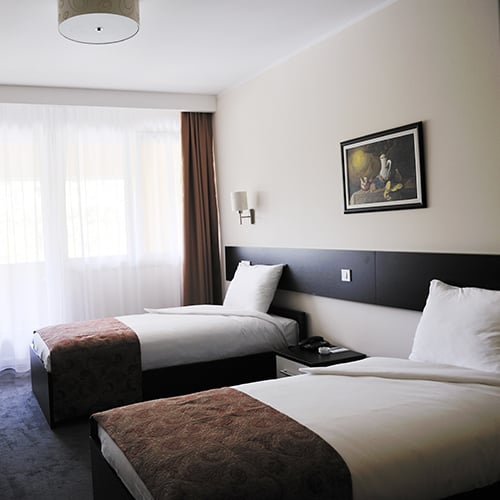
- Spaciousness and Layout: Rooms are typically larger than those found in one- or two-star hotels, offering enough square footage to maneuver comfortably, unpack your bags, and include a small sitting area or desk.
- Architectural Quality: The exterior, lobby, and common areas are well-maintained, presenting an inviting and modern aesthetic.
- Safety and Security: Reliable locking mechanisms, well-lit corridors, and adherence to local fire and safety regulations are strictly enforced.
Key Amenities and Services You Can Expect
When you book a stay at a three-star property—whether you are visiting the Marriott Hotel chain or a charming independent boutique—you can anticipate a robust package of amenities. The goal of a three-star hotel is to remove the friction from your daily travel routine, providing practical conveniences that make your journey smoother.
In-Room Comforts
The modern traveler has high expectations for their private sanctuary. Three-star hotels rise to this occasion by equipping guest rooms with essential contemporary technology and comfortable furnishings.
- Beds and Linens: Expect comfortable mattresses with clean, high-quality sheets, multiple pillows, and attractive duvets or bedspreads.
- Entertainment and Connectivity: High-speed Wi-Fi is almost universally included for free, alongside a flat-screen television with a wide selection of cable or streaming-capable channels.
- Climate Control: Individually controlled air conditioning and heating ensure you remain comfortable regardless of the weather outside.
- Workspaces: A dedicated desk or table paired with a comfortable chair and accessible power outlets makes it easy to catch up on emails or plan your itinerary.
- Refreshments: Many rooms feature a coffee maker, an electric kettle, and a small mini-fridge to keep your beverages cool.
Bathroom Facilities
Unlike budget accommodations that often rely on shared hallway facilities, a three-star hotel guarantees a private, en-suite bathroom. These spaces are fully equipped with a bathtub or a walk-in shower, a flushing toilet, and a well-lit vanity mirror. Guests are provided with fresh towels daily, a hair dryer, and complimentary travel-sized toiletries such as shampoo, conditioner, and soap.
On-Site Property Features
Beyond the individual rooms, three-star hotels offer shared facilities designed to enhance the guest experience. While you may not find an Olympic-sized swimming pool or a world-class spa, you will typically have access to practical communal spaces.
- Dining Options: Most three-star properties feature an on-site breakfast room or restaurant. A hot or continental breakfast is frequently included in the room rate or offered for a nominal additional fee. Some hotels may also house a casual lounge or bar area for evening relaxation.
- Fitness Centers: A modest exercise room equipped with treadmills, stationary bikes, and a set of free weights is common in modern three-star establishments.
- Business Services: A lobby business center with a computer and printer, alongside meeting rooms for rent, caters to corporate guests.
- Front Desk Services: A 24-hour reception desk staffed by multilingual professionals is standard, ready to assist with check-in, local recommendations, and luggage storage.

How Three-Star Hotels Compare to Other Ratings
To truly grasp what a three-star hotel means, it helps to examine where it sits on the broader hospitality spectrum. Star ratings generally range from one to five stars, with each tier representing a distinct step up in luxury, service personalization, and cost.
Budget vs. Three-Star
One-star and two-star hotels prioritize economy above all else. They are ideal for backpackers or travelers who plan to spend every waking hour exploring the city and merely need a secure bed at night. These budget properties often feature sparse room decor, shared bathrooms, limited front-desk hours, and minimal amenities. In contrast, a three-star hotel provides a much more restorative environment with private facilities, enhanced comfort, and professional services that elevate the vacation experience itself.
Three-Star vs. Luxury (Four and Five-Star)
On the other side of the spectrum are four-star and five-star properties, such as the Four Seasons or the Mandarin Oriental. These luxury hotels are defined by architectural grandeur, extensive landscaped grounds, Michelin-starred dining, valet parking, concierge services, and lavish spa facilities. While a three-star hotel may not offer 24-hour room service or designer bathrobes, it delivers roughly 80% of the practical utility and comfort of a luxury hotel at a fraction of the price.
Advantages of Choosing a Three-Star Hotel
Selecting a three-star property is a smart strategy employed by savvy travelers worldwide. By opting for this tier, guests unlock several distinct advantages that can significantly improve their overall trip.
Exceptional Value for Money
The primary draw of a three-star hotel is its incredible cost-to-quality ratio. You are not paying exorbitant fees for marble lobbies, celebrity-chef restaurants, or butler services that you may never use. Instead, you pay strictly for comfort, cleanliness, and convenience. This leaves more room in your travel budget for memorable experiences, fine dining, and unique excursions in your destination city.
Consistency and Reliability
Global hotel chains and reputable independent properties within the three-star category understand the importance of consistency. When you book a room, you know precisely what to expect: a clean bed, a private bathroom, reliable internet, and friendly service. This predictability reduces travel anxiety, making three-star hotels a favorite among both corporate road warriors and cautious vacationers.
Strategic Locations
Three-star hotels are frequently situated in prime urban locations. Because they cater heavily to business travelers and tourists who want to be close to the action, you will often find them near major transit hubs, downtown shopping districts, and popular cultural attractions. Staying in a well-located three-star hotel often saves you valuable time and money on daily transportation.

Is a Three-Star Hotel Right for Your Next Trip?
Deciding whether a three-star hotel is the right fit depends on the nature of your journey and your personal preferences. If your itinerary involves long days exploring museums, hiking nature trails, or attending back-to-back business meetings, a three-star hotel provides the ideal sanctuary to recharge. It offers all the necessary comforts without the guilt of paying for unused luxury.
Ultimately, understanding what a three-star hotel means empowers you to make informed booking decisions. By striking the ideal balance between cost, comfort, and capability, these reliable properties prove that you do not need to empty your bank account to enjoy a comfortable, memorable, and worry-free travel experience.
LifeOutOfTheBox is a participant in the Amazon Services LLC Associates Program, an affiliate advertising program designed to provide a means for sites to earn advertising fees by advertising and linking to Amazon.com. Amazon, the Amazon logo, AmazonSupply, and the AmazonSupply logo are trademarks of Amazon.com, Inc. or its affiliates. As an Amazon Associate we earn affiliate commissions from qualifying purchases.