
For travelers and geography enthusiasts alike, the question of where New York is located on the map often sparks a nuanced discussion. While many instantly visualize the glitzy skyscrapers of Manhattan, the geographical reality is far more expansive and diverse. New York serves as a gateway to the United States from the Atlantic Ocean, anchored in the northeastern region of the country. Understanding its location requires a look at both the state’s vast topography and the city’s strategic position along the coast.
The Geographical Coordinates of New York State
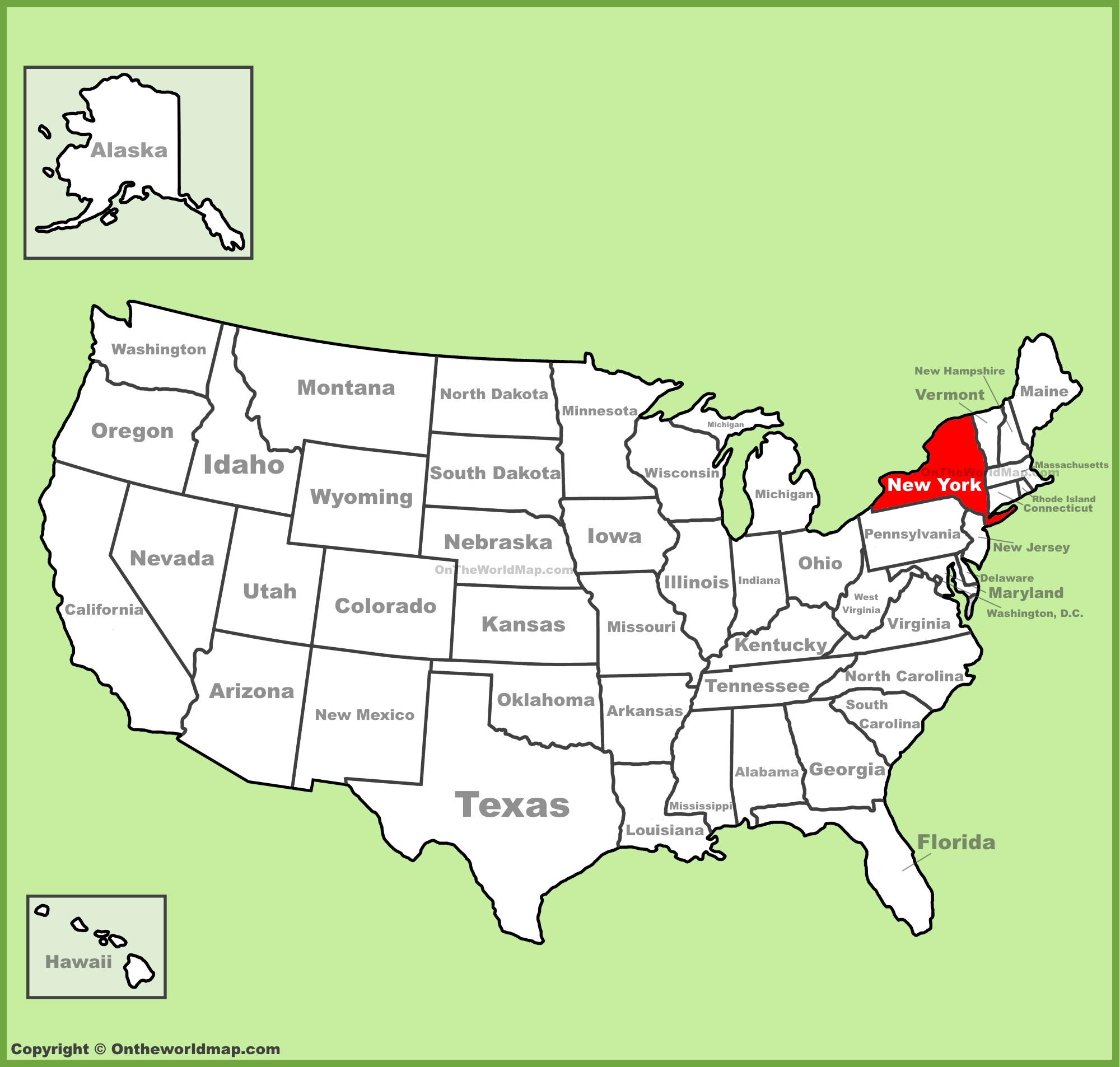
When discussing the state, we are looking at a massive landmass that acts as a bridge between the Northeast and the Midwest. New York State is nestled between Pennsylvania to the south and west, New Jersey to the south, and the New England states—Connecticut, Massachusetts, and Vermont—to the east.
Borders and Natural Boundaries
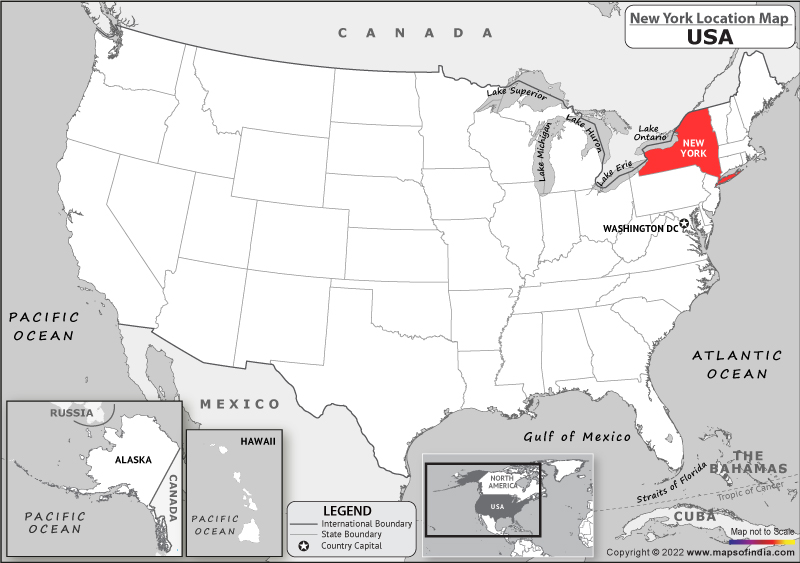
The northern border of the state is defined by the Saint Lawrence River and the international boundary with Canada, specifically the provinces of Ontario and Quebec. This unique placement allows for the natural wonders of Lake Erie and Lake Ontario to shape the state’s western and northern landscape. The presence of these Great Lakes contributes significantly to the state’s climate and its historical development as a hub for trade and navigation.
The Appalachian Influence
Moving inward, the Appalachian Mountains traverse the state, providing a rugged aesthetic that contrasts sharply with the flat coastal plains of the south. This terrain has historically dictated settlement patterns, with major cities forming along the Hudson River, a vital waterway that cuts through the state from the Adirondack Mountains down to the harbor.
Pinpointing the Global Hub: New York City
While the state is a massive geographic entity, New York City is its most recognized point on the map. Situated at the mouth of the Hudson River in the extreme southeastern corner of the state, it sits at a point of high global connectivity. Its position relative to the Eastern Seaboard has made it a focal point for trans-Atlantic commerce and culture for centuries.
The Five Boroughs and Their Coastal Positioning
The city itself is an archipelago of sorts, comprised of five boroughs—Brooklyn, Queens, The Bronx, Staten Island, and Manhattan. Each occupies a specific space that defines its character. Manhattan and the Bronx are located on the mainland or separated by narrow tidal straits, while Brooklyn and Queens share the western end of Long Island. Staten Island stands apart, acting as a sentinel at the edge of the New York Harbor.
Accessibility and Proximity
Because of its centralized location along the coast, the city acts as a vital midpoint between Boston to the north and Philadelphia and Washington D.C. to the south. This “Northeast Corridor” is one of the most densely populated and strategically important regions in the world. Visitors arriving at John F. Kennedy International Airport or LaGuardia Airport are dropped directly into this high-energy nexus, where the infrastructure links the ocean-facing harbors to the deep inland valleys of the state.
Strategic Importance in Travel and Trade
The location of New York is not merely a matter of cartography; it is the primary reason for its sustained influence. From the era of colonial shipping to the modern age of global finance, being positioned where the Hudson meets the sea provided an unparalleled advantage.
Gateway to the Great Lakes
The development of the Erie Canal utilized the state’s natural geography to link the Atlantic Ocean to the interior of the continent. By cutting through the Mohawk Valley, New York became the “Empire State,” an economic powerhouse that leveraged its map location to control the flow of goods into and out of the American heartland.
The Tourism Landscape
For the traveler, New York’s location means a massive variety of experiences within a relatively short distance. You can begin a journey in the urban sprawl of Times Square or the cultural enclaves of Harlem, and within a few hours, be deep in the wilderness of the Catskill Mountains. The proximity of diverse terrains—from the sandy beaches of The Hamptons to the rocky shores of Lake Champlain—makes the state a rare gem in terms of geographic diversity.

Navigating the Map: Tips for Explorers
When planning a visit, it is essential to distinguish between the urban center and the broader state to ensure you have the right expectations for travel times and climate.
- Climate Variations: Because of its latitudinal position, New York experiences four distinct seasons. The coastal regions near the city tend to be moderated by the ocean, while the northern regions near the Finger Lakes experience harsher, snowier winters.
- Infrastructure Connectivity: The map of New York is best navigated by rail and highway. The Metro-North Railroad and Amtrak lines follow the historic trade routes, particularly along the Hudson River, making travel to scenic destinations like West Point or Albany quite seamless.
- Regional Differences: Visitors should recognize that “upstate” is a massive, varied region compared to the high-density environment of the city. The maps of Western New York differ greatly from those of the Hudson Valley, and each offers a unique flavor of local culture and history.
Ultimately, locating New York on the map provides only the starting point for discovery. Whether you are seeking the urban energy of Central Park or the serene beauty of the Niagara Falls on the border of the state, the geography of this region remains one of the most compelling and strategically significant areas in the Northern Hemisphere. By understanding its borders, its rivers, and its coastal position, one gains a deeper appreciation for why this corner of the world has remained a global focal point for centuries.
LifeOutOfTheBox is a participant in the Amazon Services LLC Associates Program, an affiliate advertising program designed to provide a means for sites to earn advertising fees by advertising and linking to Amazon.com. Amazon, the Amazon logo, AmazonSupply, and the AmazonSupply logo are trademarks of Amazon.com, Inc. or its affiliates. As an Amazon Associate we earn affiliate commissions from qualifying purchases.