
The majestic landscapes of New England represent the quintessential American retreat, offering a tapestry of rolling mountains, dense forests, and quintessential charm. Within this region, New Hampshire and Vermont stand out as two distinct yet complementary destinations. While the former is defined by its rugged, high-altitude terrain and dramatic granite peaks, the latter is renowned for its pastoral serenity, rolling hills, and deep-rooted commitment to agrarian craftsmanship. For the discerning traveler, navigating these two states offers a masterclass in natural beauty and cultural heritage.
The Granite State: Exploring New Hampshire’s Rugged Heights
New Hampshire earns its nickname from the pervasive presence of its ancient, resilient geology. The state is anchored by the White Mountains, a range that offers some of the most challenging and rewarding terrain in the northeastern United States.
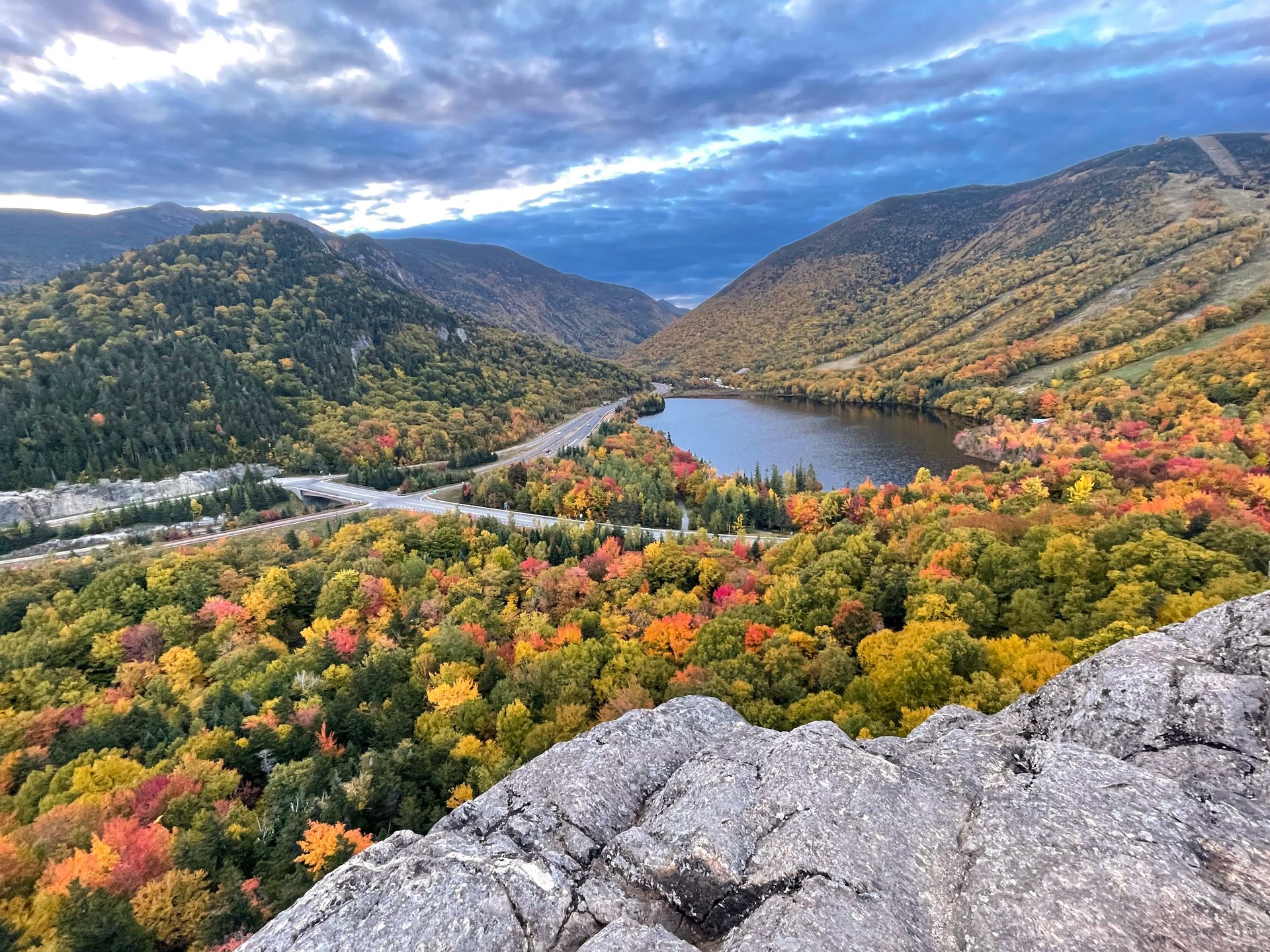
The Majesty of Mount Washington
No journey through the state is complete without ascending Mount Washington. As the highest peak in the northeastern U.S., it serves as a beacon for hikers, photographers, and weather enthusiasts alike. Whether you choose to challenge yourself on the steep Tuckerman Ravine trail or prefer the leisurely, historic ride up the Mount Washington Cog Railway, the summit provides vistas that stretch across multiple states. It is a place of unpredictable beauty, where the environment demands respect and rewards the patient visitor with panoramic views of the Presidential Range.
Scenic Drives and Notch Views
For those who prefer to experience the grandeur of the mountains from the comfort of a vehicle, the Kancamagus Highway is non-negotiable. This breathtaking stretch of road winds through the heart of the White Mountain National Forest, offering spectacular overlooks of the Swift River and the surrounding verdant valleys. Autumnal visitors will find the foliage here truly unparalleled, as the canopy transforms into a vivid mosaic of crimson, gold, and burnt orange.
To the north, Franconia Notch State Park serves as a focal point for geological wonder. While the iconic Old Man of the Mountain formation succumbed to the forces of nature years ago, the area remains a sanctuary of natural history. A walk through Flume Gorge—a natural chasm featuring soaring granite walls and cascading waterfalls—provides an intimate look at the forces that shaped this rugged landscape.
The Green Mountain State: Discovering Vermont’s Pastoral Charm
Cross the Connecticut River into Vermont, and the character of the landscape shifts. Here, the Green Mountains provide a softer, more undulating horizon, creating a backdrop for a culture deeply embedded in the land.
The Cultural Heartland: Stowe and Burlington
Stowe is arguably the most recognizable mountain village in the state. Often referred to as the “Ski Capital of the East,” it retains an authentic village feel, characterized by its iconic white-steepled church and access to Mount Mansfield. In the summer, the town transforms into a hub for outdoor recreation, featuring miles of mountain biking trails and the scenic Stowe Recreation Path.
Further west, Burlington offers a sophisticated urban counterpoint to the rural surroundings. Situated on the shores of Lake Champlain, the city serves as the cultural and intellectual heartbeat of the region. The Church Street Marketplace provides a vibrant pedestrian-only corridor filled with local artisans, breweries, and farm-to-table restaurants. A sunset stroll along the waterfront bike path, with views stretching toward the Adirondack Mountains in New York, is a quintessential Vermont experience.
Artisanal Trails and Rural Heritage
Vermont excels in the production of high-quality, local goods, and visiting the various “trails” is a highlight of any trip. The Vermont Cheese Trail and the state’s world-renowned maple sugar shacks offer an immersive look at local production. A visit to the Ben & Jerry’s Factory in Waterbury is a lighthearted classic, but true exploration involves seeking out the small, family-run creameries that dot the countryside.
For history enthusiasts, Woodstock serves as a preserved window into the past. With its meticulously maintained 19th-century architecture and the nearby Billings Farm & Museum, visitors can gain a profound appreciation for the agrarian history that continues to define the state’s identity today.
Coastal Contrasts and Hidden Gems
While both states are primarily mountainous, their peripheries offer unique experiences that round out a comprehensive New England itinerary.
New Hampshire’s Seacoast
Though New Hampshire has a relatively short coastline, Portsmouth punches well above its weight. This historic port city is rich in maritime history, evidenced by the Strawbery Banke Museum, an outdoor history museum that brings centuries of community life to the forefront. The bustling harbor, lined with independent galleries and high-end dining, provides a salty, vibrant contrast to the solitude found in the interior mountains.
The Serenity of Lake Winnipesaukee
The Lakes Region of central New Hampshire is centered around Lake Winnipesaukee, the state’s largest lake. Surrounded by the Ossipee Mountains, the water is crystal clear and dotted with hundreds of islands. Renting a boat or taking a cruise on the historic MS Mount Washington offers a serene perspective on the region, far removed from the intensity of the high-altitude hiking trails.
Vermont’s Covered Bridges and Country Roads
In Vermont, the journey is frequently as important as the destination. The state boasts the highest density of covered bridges in the country. Driving through rural corridors in areas like Windsor County or Addison County reveals these wooden engineering marvels, many dating back to the mid-1800s. These structures, often spanning picturesque brooks and streams, serve as evocative reminders of a slower, more deliberate era of travel.

Travel Tips for the Discerning Visitor
Maximizing your time in New Hampshire and Vermont requires thoughtful planning, particularly regarding the seasons.
- Timing Your Trip: While summer offers ideal weather for hiking, the “leaf-peeping” season in late September and early October draws the largest crowds. To experience the region with more solitude, consider the “mud season” of late spring or the quiet, snowy stillness of January.
- Navigating the Terrain: The geography of the region is defined by secondary roads. While the interstate system facilitates quick travel between major hubs like Manchester or Montpelier, the most memorable experiences are found on the winding state routes that connect small towns.
- Local Connectivity: Cell service can be intermittent in the deeper valleys of the Green Mountains and the remote reaches of the White Mountains. Downloading offline maps is a prudent step for any traveler.
- Sustainability: Both states pride themselves on their environmental stewardship. Visitors are encouraged to support local businesses, stay in locally-owned inns, and practice “Leave No Trace” principles while exploring the protected wilderness areas.
Whether you are seeking the adrenaline of a vertical climb in the White Mountains or the meditative calm of a sunrise over Lake Champlain, the combination of these two states offers an unparalleled escape. By balancing the dramatic topography of New Hampshire with the refined, pastoral beauty of Vermont, you create a journey that captures the true essence of the American northeast.
LifeOutOfTheBox is a participant in the Amazon Services LLC Associates Program, an affiliate advertising program designed to provide a means for sites to earn advertising fees by advertising and linking to Amazon.com. Amazon, the Amazon logo, AmazonSupply, and the AmazonSupply logo are trademarks of Amazon.com, Inc. or its affiliates. As an Amazon Associate we earn affiliate commissions from qualifying purchases.