
The anthem of the greatest city in the world is perhaps one of the most recognizable musical compositions in history. When we hear the brassy opening notes of “Theme from New York, New York,” we are immediately transported to the bustling streets of New York City. The song serves as a cultural cornerstone for the United States, representing ambition, grit, and the irresistible draw of the “Big Apple.” Yet, while many associate the track inextricably with the legendary Frank Sinatra, its origins are rooted in a collaborative effort that speaks to the rich tapestry of Manhattan history.

The Architectural and Musical Roots of the Anthem
The song was not born from the streets of Times Square as an impromptu melody. Instead, it was commissioned for a film directed by the visionary Martin Scorsese. The 1977 movie, titled simply New York, New York, sought to capture the essence of post-war America. To ground the film in authentic musical history, the producers turned to two of the most prolific songwriting giants of the 20th century: John Kander and Fred Ebb.
The Creative Partnership of Kander and Ebb
John Kander and Fred Ebb were a powerhouse songwriting duo who fundamentally shaped the sound of Broadway. Having previously found massive success with Cabaret and Chicago, the pair were tasked with creating a song that felt both nostalgic and aspirational. They understood that to capture the spirit of New York, the melody needed to mimic the city’s verticality—it had to climb, build, and eventually soar with a triumphant climax.
The Role of Liza Minnelli
Before Frank Sinatra turned the song into a global phenomenon, it was recorded by Liza Minnelli for the film’s soundtrack. Her rendition was theatrical, intimate, and perfectly suited to the narrative of the movie. While Minnelli delivered the song with the passion of a seasoned cabaret performer, it took the unique, conversational, and world-weary delivery of Sinatra to transform the track from a film score highlight into an enduring urban hymn.
The Sinatra Transformation and Cultural Legacy
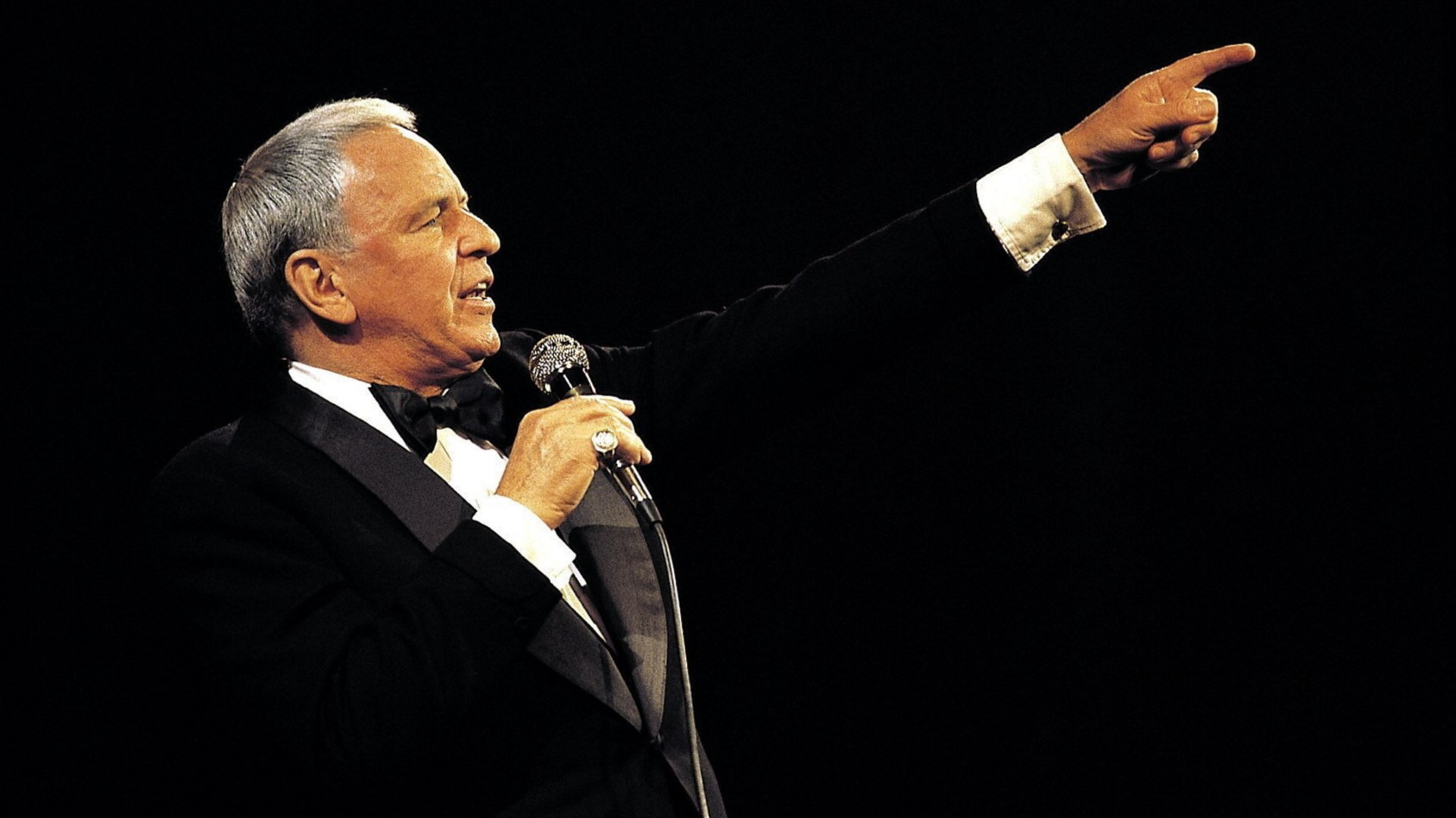
By 1979, Sinatra had recorded his own version of the song for the album Trilogy: Past Present Future. This version stripped away the theatrical constraints of the film context and allowed the singer to interpret the lyrics as a personal manifesto. He famously changed the final lines to provide a more definitive, punchy finish. This subtle shift—the move from a character singing in a movie to a legend claiming the city as his own—cemented the song’s status as the unofficial anthem of the five boroughs.
Why the Song Resonates with Travelers
For those visiting landmarks like the Empire State Building or walking the paths of Central Park, the song provides a psychological soundtrack to the experience. It speaks to the “small town girl or boy” dream of making it big in a city that never sleeps. When a tourist stands in Grand Central Terminal, they aren’t just in a transit hub; they are in the center of the world described by Kander and Ebb.
A Symbol of Resilience
The song’s longevity is also tied to the resilience of New York City. Following the events of September 11, 2001, the song took on a new weight. It was played at sporting events, during commemorations, and in the hearts of residents as a symbol of defiance and recovery. It is a rare musical work that manages to be both a pop standard and a civic monument, much like the Statue of Liberty stands as a testament to the city’s enduring values.
The Mechanics of a City Anthem
To understand why “New York, New York” remains the premier song associated with the city, one must look at the structural elements that Kander and Ebb employed. The song is written in a classic show-tune style, characterized by a slow, deliberate build. It avoids the chaotic, fast-paced rhythms that one might expect from a song about a frantic city, choosing instead to focus on the grandeur of the skyline and the ambition of the individual.
Musical Composition and Theatricality
The composition utilizes:
- A Slow Introduction: Mirroring the anticipation of arriving in a city like New York.
- The Orchestral Sweep: Providing a sense of scale, reminiscent of the view from the Top of the Rock.
- The Power Climax: A brass-heavy finish that demands attention and celebration.
This structure allows the song to fit perfectly in diverse settings, from the upscale lounges of The Plaza Hotel to the vibrant, neon-lit streets of Brooklyn. It acts as a bridge between the old-world glamour of Midtown Manhattan and the modern, energetic pace of the city today.
The Geography of the Lyrics
The lyrics specifically reference “these vagabond shoes” and the desire to “wake up in a city that doesn’t sleep.” These are not abstract concepts; they are literal descriptions of the New York City experience. Visitors coming through JFK International Airport or boarding a train to Penn Station often report an immediate sensory connection between their surroundings and the melody. It is as if the city itself was designed with this specific song in mind.
Exploring the City Behind the Song
Whether you are staying at a luxury resort like The St. Regis New York or exploring the historic district of Greenwich Village, the influence of Kander and Ebb is omnipresent. The song serves as an invitation to engage with the city’s history and its future.

Essential Landmarks for Music Lovers
If you are planning a trip to immerse yourself in the culture of New York, consider these stops:
- Radio City Music Hall: An iconic venue that echoes the grandeur of the song’s composition.
- Lincoln Center: The heartbeat of the city’s performing arts scene.
- Broadway Theatre District: Where the creative magic of writers like Ebb continues to define modern culture.
By exploring these locations, you aren’t just visiting a tourist destination; you are walking through the lyrics of an anthem. You are participating in the narrative of a city that continues to reinvent itself while honoring the artists who put its spirit into music. The collaboration between Kander, Ebb, and Sinatra created something that transcends time and space, turning a simple song into a permanent fixture of the urban landscape. As long as people continue to dream of “making it” in the United States, the brassy, soaring chords of “New York, New York” will continue to play as the city’s heartbeat.
LifeOutOfTheBox is a participant in the Amazon Services LLC Associates Program, an affiliate advertising program designed to provide a means for sites to earn advertising fees by advertising and linking to Amazon.com. Amazon, the Amazon logo, AmazonSupply, and the AmazonSupply logo are trademarks of Amazon.com, Inc. or its affiliates. As an Amazon Associate we earn affiliate commissions from qualifying purchases.