
Navigating the temporal rhythms of Los Angeles is essential for any traveler planning an itinerary across the sprawling landscape of California. As a global hub for entertainment, finance, and technology, understanding the local clock is the first step toward syncing your travel plans with the heartbeat of this iconic West Coast metropolis. Whether you are aiming to catch a sunrise over the Santa Monica Pier or coordinating a business call with colleagues in New York or London, precision is paramount.
Understanding Pacific Time and Seasonal Shifts
The city operates on Pacific Time, a zone that plays a critical role in the scheduling of major events across North America. Recognizing how this time zone functions is vital for avoiding the common pitfalls of scheduling errors during your stay.
Standard Time vs. Daylight Saving Time
For the majority of the year, Los Angeles observes Pacific Daylight Time (PDT), which is UTC-7. However, during the winter months, the region transitions to Pacific Standard Time (PST), shifting the clock back one hour to UTC-8. This seasonal change is a hallmark of life in the United States, and travelers should be mindful of these transitions, which occur in early spring and early November. If you are arriving from a region that does not observe these shifts, such as certain parts of Arizona or international locations like Japan, this hour difference can significantly impact your circadian rhythm and your planned arrival times at local destinations.
Why Time Precision Matters for Sightseers
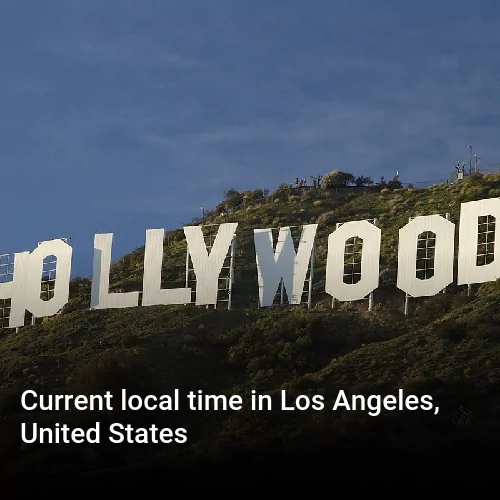
When you are visiting major landmarks like the Griffith Observatory, being aware of the current time is about more than just keeping appointments; it is about maximizing your daylight hours. The sun sets at different times throughout the year in Southern California, and knowing the exact hour helps you plan your visit to ensure you capture the perfect golden hour photograph over the Hollywood Sign.
Coordinating Your Travel Itinerary

Time management in Los Angeles requires a nuanced understanding of local geography. Because the city is so vast, the “current time” might be the same, but the time it takes to travel between points can vary wildly depending on the hour of the day.
Navigating the Traffic Pulse
The traffic in Los Angeles is a legendary phenomenon that operates on its own temporal schedule. Peak “rush hours”—typically 7:00 AM to 10:00 AM and 3:00 PM to 7:00 PM—can transform a thirty-minute drive into a two-hour ordeal. When looking at your watch, keep in mind that being “on time” for a reservation at a restaurant in Beverly Hills or a show at the Walt Disney Concert Hall requires an additional buffer zone that accounts for the density of the roads.
Syncing with Global Connections
If you are traveling for business, you are likely constantly converting the local time in Los Angeles to match your home office or international clients.
- Eastern Time (ET): Los Angeles is three hours behind the East Coast.
- Central European Time (CET): For travelers from France or Germany, the difference is usually nine hours ahead of Los Angeles.
- Coordinated Universal Time (UTC): Keeping your mobile device set to “Automatic” is the most effective way to ensure your calendar apps adjust whenever you traverse time zone boundaries on your way to Los Angeles International Airport.
Making the Most of Your Schedule
Beyond the clock, there is the feeling of time. Los Angeles offers a pace that can shift from the high-energy rush of Hollywood to the laid-back, timeless vibe of Venice Beach.
Planning for Sunset and Morning Activities
The coastal climate of California often brings the “June Gloom”—a morning layer of marine clouds that clears by the afternoon. Experienced travelers know that the time of day matters significantly for the best experience at the Getty Center. Visiting during mid-morning allows you to avoid the intense midday sun, while afternoon visits offer stunning views as the city begins to glow at twilight. Always check the official sunset time for the day of your visit to get the most out of your outdoor excursions.
Managing Jet Lag and Adjustment
If you are flying into Los Angeles from Asia or Europe, the time difference can be disorienting. To acclimate quickly, try to align your schedule with the local rhythm immediately. If you arrive in the morning, head straight for a walk along the Santa Monica coastline. The natural light and sea air help the body reset to Pacific Time faster than staying indoors. Utilizing public spaces like Echo Park Lake or the Los Angeles County Museum of Art during your first few days can provide a gentle, low-stress environment while your internal clock synchronizes with the local zone.
The Value of Time in a City of Dreams
Ultimately, Los Angeles is a city where time is often measured in experiences rather than minutes. Whether you are sipping coffee in Silver Lake, browsing the aisles of The Last Bookstore, or hiking the trails near Runyon Canyon Park, the hours spent exploring are rarely wasted. While your phone will tell you the objective, mathematical time, your sense of adventure will define how you spend it. Use your time wisely, respect the local traffic patterns, and allow yourself the flexibility to get lost in the cultural richness that defines this sprawling metropolis. As you track your hours across the Pacific Ocean coast, remember that in a city as vibrant as Los Angeles, every moment is an opportunity for discovery.
LifeOutOfTheBox is a participant in the Amazon Services LLC Associates Program, an affiliate advertising program designed to provide a means for sites to earn advertising fees by advertising and linking to Amazon.com. Amazon, the Amazon logo, AmazonSupply, and the AmazonSupply logo are trademarks of Amazon.com, Inc. or its affiliates. As an Amazon Associate we earn affiliate commissions from qualifying purchases.